

Share This Article
This post may contain affiliate links and we may get paid a small commission if you click on a link.
Please read our privacy policy and cookie policy.
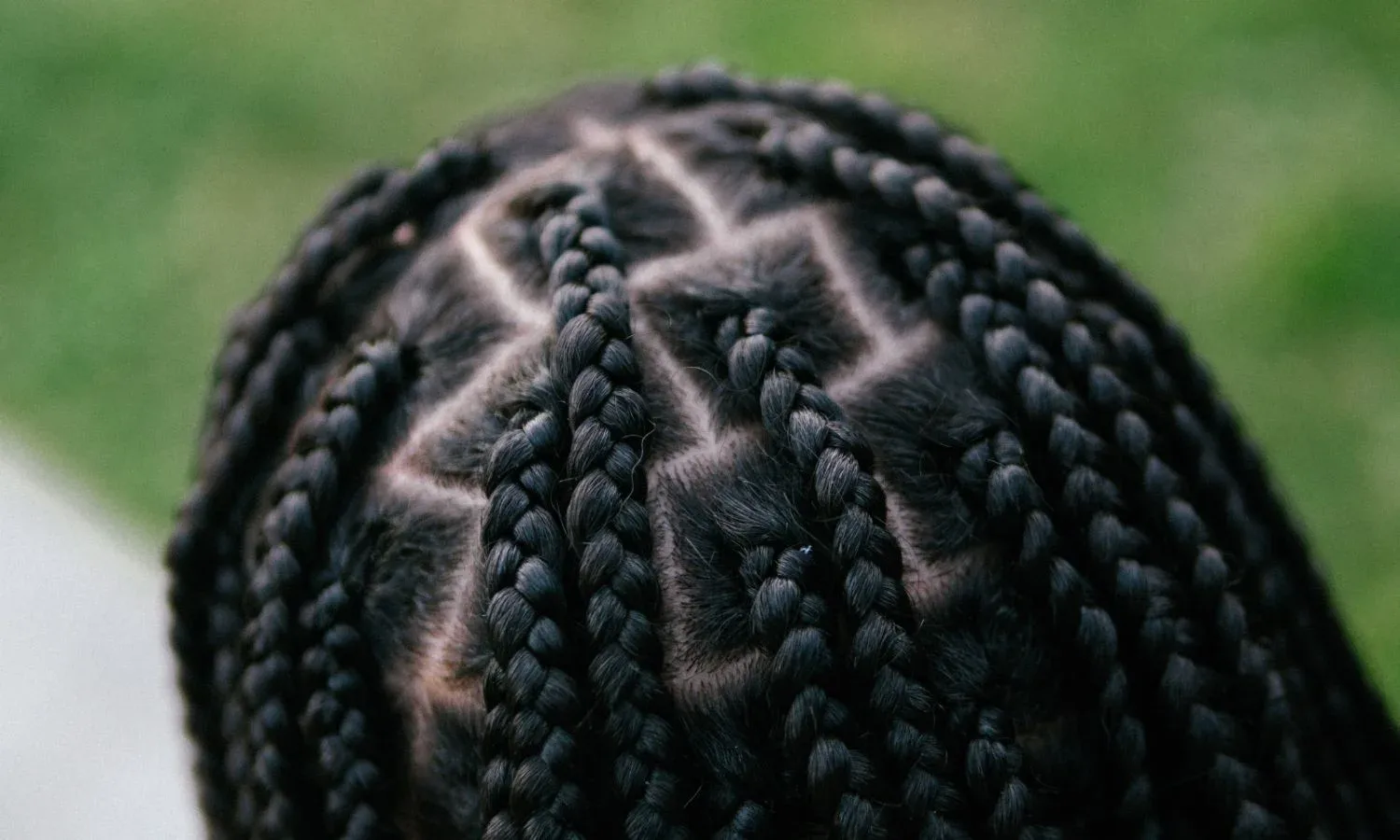
Braids are one of the most popular protective styles, but they should never be painful. When braids are installed too tightly, the constant pulling can cause painful braid bumps, scalp irritation and inflammation. These are warning signs that your scalp and hair follicles are under too much tension, and ignoring them can increase the risk of breakage and traction-related hair loss.
Have you ever:
- Struggled to put your braids into a ponytail because they feel too tight?
- Felt constant pulling around your edges or hairline?
- Experienced headaches in the first few days after installation?
- Found it difficult to sleep because your scalp feels sore?
These are signs that your braids may be too tight. Braid bumps are common, but they are not something you should simply push through. Reducing the tension early can help relieve discomfort and prevent further stress on your scalp and hairline.
How to Get Rid of Braid Bumps?
The first step in treating braid bumps is to reduce the tension causing them. Loosening or removing tight braids can help relieve discomfort and prevent further stress on the scalp and hair follicles. Once the tension has been addressed, you can focus on soothing any remaining irritation. Here are five ways to relieve tension bumps from braids:
1. Release the Tension
Start with areas that feel sore or show visible bumps, particularly around the hairline and nape. Loosen or remove the affected braids rather than waiting for the discomfort to settle on its own.
If possible, ask your stylist to loosen or redo the affected braids. If the pain or bumps continue after the tension has been reduced, then remove the style. Braids should feel secure, not painful!
2. Avoid Tight Ponytails and Buns
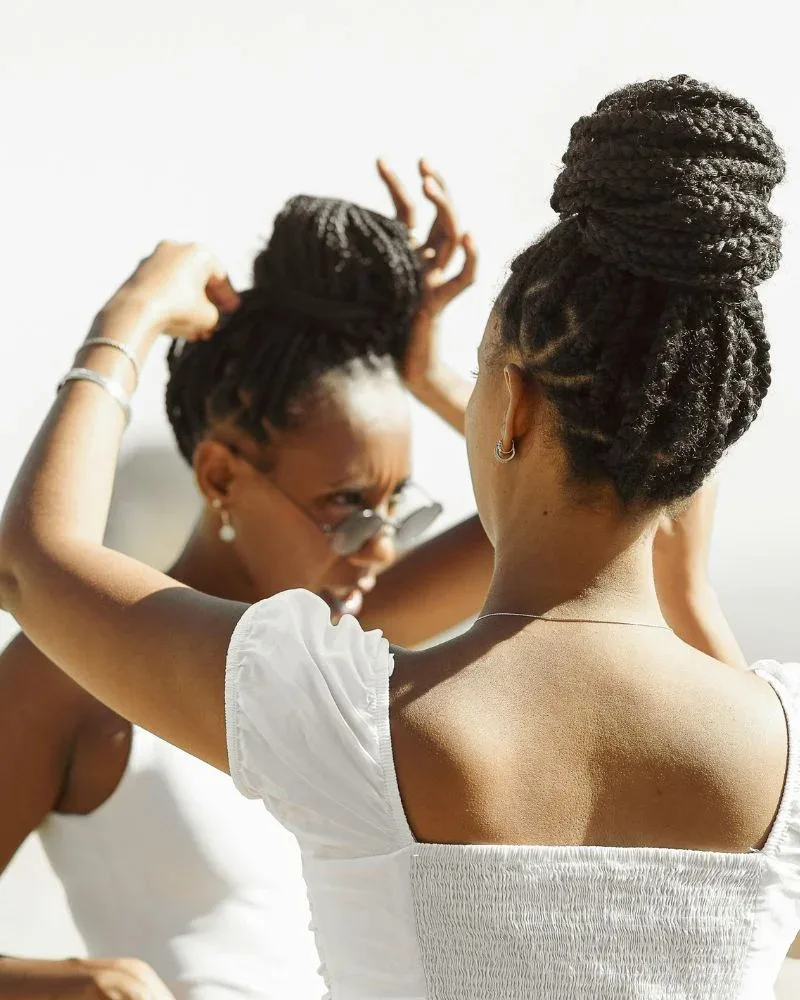
Styling braids into tight ponytails or buns can add even more tension to an already irritated scalp. Braids also add weight to the hair, so avoid adding further strain once braid bumps have developed.
Wear your braids down where possible, or choose loose styles that don’t pull at the hairline or affected areas.
3. Leave the Irritated Area Alone
Avoid scratching, picking or repeatedly massaging braid bumps, even if the scalp feels itchy or uncomfortable. Friction can further irritate already inflamed skin, while picking at bumps can damage the skin barrier.
Keep the affected area clean and avoid layering heavy gels, oils or edge control over it while the scalp settles.
4. Soothe the Scalp Carefully
Once the tension has been reduced, keep your scalp care simple. Avoid heavy products or anything that causes stinging, burning or further irritation. If you use a soothing scalp product, choose a lightweight formula and apply it sparingly rather than layering multiple products over the affected area.
When to get medical advice:
If the bumps become increasingly painful or swollen, develop pus or discharge, begin to spread, or don’t improve after the tension has been removed, speak to a pharmacist or doctor.
What Causes Tension Bumps from Braids?
The most common cause of braid bumps is excessive tension. When braids or cornrows are installed too tightly at the root, the constant strain can irritate the scalp and hair follicles. Small red or white bumps may appear in areas under the most tension, often around the hairline and nape, and can feel tender, itchy or sore.
In some cases, excessive traction can cause traction folliculitis, an inflammatory response around the hair follicles caused by mechanical stress. This is different from assuming that every bump after braids is an infection. Bumps and irritation can also have other causes, including:
- A sensitive or reactive scalp
- Irritation or contact reactions associated with synthetic braiding hair
- Additional tension from tight ponytails, buns or other styling
- Existing scalp conditions, such as dandruff
Repeated tension matters too. While protective hairstyles can help reduce daily manipulation, keeping the follicles under continued strain can contribute to breakage and, if the tension is repeated or prolonged, traction alopecia. Treat braid bumps as a warning that the style is placing too much stress on your scalp rather than something to simply wait out.
If your braids hurt, they’re too tight. Protective styling should support your hair and scalp, not put them under unnecessary stress.
Are Bumps from Tight Braids Normal?
Braid bumps are common after a tight installation, but they should not be considered a normal part of wearing braids. Pain, soreness and visible bumps are signs that the scalp is under too much tension.
Mild irritation may begin to settle once you reduce the tension. However, seek further assessment if the bumps become more painful, swollen or inflamed, develop pus or discharge, or continue after you remove the tension.
Pay attention to the hair too. Broken hairs, thinning around the hairline or repeated bumps in the same areas can indicate ongoing traction. Continued tension can increase the risk of traction alopecia, which can lead to permanent hair loss if follicle damage becomes advanced.
The key is to respond to the early warning signs rather than waiting for the scalp to adjust.
Why Do Braids Cause Itchy Bumps on the Scalp?
Itchy bumps from braids don’t always have a single cause. Tension, product buildup, scalp conditions and contact irritation can all contribute, which is why itching shouldn’t automatically be treated as an infection.
Common triggers include:
- Inflammation from tension: Tight braids can irritate the scalp, causing itching alongside soreness or tenderness.
- Product buildup: Oils, gels, edge control and other styling products can accumulate on the scalp and contribute to irritation, especially when buildup isn’t regularly removed.
- Reaction to braiding hair: Some people experience irritation or allergic contact dermatitis after exposure to synthetic braiding hair or substances associated with it.
- Existing scalp conditions: Conditions that already cause itching or inflammation can continue or become more noticeable while the hair is in braids.
8 Tips for Caring for Your Scalp While Wearing Braids
A simple routine can help keep your scalp and hair in good condition while wearing braids. The focus should be on keeping the scalp clean, limiting product buildup and avoiding unnecessary tension or irritation.
1. Prep Your Braiding Hair Before Installation
Synthetic braiding hair can cause irritation for some people. Apple cider vinegar rinses are commonly used in the natural hair community to remove residue from synthetic hair, although research supporting their effectiveness is limited.1
If you choose to use an ACV rinse, rinse the braiding hair thoroughly with water afterward and allow it to dry completely before installation. If irritation happens repeatedly, consider switching the type or brand of braiding hair.
2. Maintain a Simple Cleansing Routine
Sweat, oil and product buildup can accumulate on the scalp while wearing braids. Cleanse regularly using a gentle shampoo or scalp cleanser:
- Dilute shampoo in a nozzle or spray bottle for easier application
- Apply directly to the scalp and massage gently
- Rinse thoroughly
- Allow your braids to dry completely
If you prefer a ready-to-use option, these cleansers are easy to apply:
- African Pride Black Castor Miracle Braid & Scalp Cleansing Rinse
- Taliah Waajid Protective Styles Bamboo & Coconut Milk Shampoo
- Alikay Naturals Moisturizing Black Shampoo
- dpHUE Apple Cider Vinegar Hair Rinse
If you prefer a visual walkthrough, this tutorial shows how to cleanse your scalp while wearing braids without causing frizz.
3. Keep Your Hair and Scalp Care Lightweight
Your hair still needs moisture while tucked away in braids. Use a lightweight, water-based leave-in or moisturizing spray as needed, focusing on your natural hair.
For the scalp, consider a lightweight scalp serum formulated for hydration or comfort instead of heavier oils. Apply sparingly and avoid layering products over irritated braid bumps.
4. Use Styling Products Sparingly
Mousse can help smooth frizz and keep braids neat, but more product isn’t always better. Apply styling products mainly to the braids rather than repeatedly layering them onto the scalp.
If you use oil, apply a small amount only where needed. Too much product can contribute to buildup and scalp irritation.
5. Manage Product Buildup Early
Product buildup can contribute to itching and scalp irritation while wearing braids. If you notice residue around the roots or hairline, cleanse the area rather than adding more oils or styling products.
Between wash days, a damp cloth or scalp-cleansing pad can help remove visible residue without requiring a full wash.
6. Don’t Keep Braids in for Too Long
How long you can comfortably wear braids depends on the style, your hair and how your scalp responds. As the hair grows, extensions can place additional strain on the roots and increase the risk of tangling and breakage.
Don’t wait for a set takedown date if you’re experiencing persistent pain, braid bumps or excessive tension. These are signs the style may need to be loosened or removed sooner.
7. Protect Your Hairline
The hairline is vulnerable to repeated tension from braids and styling. If you notice soreness or braid bumps around the perimeter, loosen or redo the affected braids and avoid tight ponytails, buns or other styles that add further strain.
8. Maintain a Simple Nighttime Routine
Protect your braids at night with a satin or silk bonnet or scarf. This helps reduce friction against your hair and hairline while keeping the style neat. Avoid styling your scarf too tightly around the edges, especially if your hairline already feels sore or irritated.
This quick tutorial shows simple ways to protect your braids at night and reduce friction while you sleep.
FAQ’s About Braid Bumps & Caring for Your Braids
Yes. Tight braids can cause bumps on the scalp by placing excessive tension on the hair follicles. This can lead to inflammation, tenderness and irritation, often around the hairline or nape.
Mild tension bumps from braids often improve within a few days once the tension is reduced. More severe bumps may take longer, especially if the braids remain tight. If the bumps become increasingly painful, swollen or show signs of infection, it’s best to remove the style and seek medical advice.
If the bumps are mild, start by loosening or redoing the affected braids. If they remain painful, worsen or spread after the tension has been reduced, removing the style may be the safest option. Continuing to wear a style that is causing excessive tension can increase irritation and further stress the hair and scalp.
Hair loss caused by early traction can be reversible once the tension is stopped. However, prolonged traction can damage the follicles and lead to permanent hair loss. If you notice persistent thinning or areas that aren’t regrowing, seek medical advice.
Around 6–8 weeks is a practical timeframe for most braid styles, depending on the style and how your hair and scalp respond. Avoid going beyond 12 weeks, and remove your braids sooner if you experience persistent pain, braid bumps, excessive tension, matting or breakage.
Avoid pulling or rushing the takedown process, which can cause unnecessary breakage. Use a detangler or conditioner with good slip, finger-detangle first and then use a wide-tooth comb or detangling brush if needed. Remove knots and trapped shed hair before washing to reduce the risk of matting.
It’s normal to shed around 50–100 hairs a day2, although this varies. While your hair is in braids, shed hairs remain trapped, so several weeks of shedding can appear at once during takedown. This can look alarming but doesn’t necessarily indicate hair loss.
Final Thoughts
Braid bumps are common, but they shouldn’t be ignored. They’re often a sign that your scalp is under excessive tension, so prevention starts with choosing a stylist who prioritizes scalp health and speaking up when a style feels too tight.
Maintaining a simple scalp-care routine can help manage buildup and irritation, but it cannot compensate for a style that is causing too much tension. A protective style should support your hair, not compromise it.
For more on using braids as part of a healthy hair routine, read our guide to how braids contribute to hair growth and length retention.
Sources
- Ogah O, Kindred C. “Assessing the Merit of the Apple Cider Vinegar Rinse Method for Synthetic Hair Extensions.” Cutis. 2025;116(5):165–174. doi:10.12788/cutis.1293. ↩︎
- American Academy of Dermatology Association. “Do you have hair loss or hair shedding?” ↩︎


0 Comments
Hair Braiding
Tight braids and braid bumps can be uncomfortable, but they are common concerns in hair braiding. To relieve tightness, gently massage your scalp with natural oils like coconut or argan oil, which help soothe tension and nourish your hair. Applying a warm compress can also reduce discomfort and improve circulation. If braid bumps appear, avoid scratching or pulling at the area—this can aggravate the scalp further. Instead, use a soothing scalp spray or aloe vera gel to calm irritation. Always communicate with your stylist about your comfort during hair braiding to prevent excessive tension. Healthy braiding ensures both style and comfort!
NaturalistaVibes
Thank you so much for sharing these thoughtful tips! You’ve outlined some great remedies for tight braids and braid bumps that I’m sure many readers will find helpful. I especially love the suggestion to use aloe vera gel for soothing irritation—it’s such a versatile product for scalp care.
Do you have any favourite natural oils or soothing sprays that you personally recommend? I’d love to hear more!