
Share This Article
This post may contain affiliate links and we may get paid a small commission if you click on a link.
Please read our privacy policy and cookie policy.
Type 4 hair includes tightly coiled textures commonly grouped into 4A, 4B and 4C patterns. Your curl pattern is only one part of understanding your hair. Density, porosity and strand thickness also influence how it looks, feels and responds to products.
It’s also completely normal to have more than one curl pattern. You might notice looser coils around your hairline and tighter patterns at the crown or back.
In this guide, you’ll learn what Type 4 hair is, the common characteristics of its curl patterns and how to build a hair care routine. We’ll also answer common questions about deep conditioning, shedding and breakage.
For a closer visual comparison of the individual patterns, see our 4A, 4B and 4C hair chart.
What Is Type 4 Hair?
Type 4 hair is commonly described as coily, kinky or Afro-textured hair. It includes curl patterns ranging from small, defined coils to tighter bends with less visible definition.
The shape of Type 4 hair can make it more vulnerable to tangling and breakage, particularly when it is dry or handled roughly. However, the curl pattern does not determine whether your strands are fine, medium or coarse. Type 4 hair can also have low, medium or high density and porosity.
Common characteristics of Type 4 hair include:
- Coils or bends that may form S, Z or other irregular patterns
- Noticeable shrinkage as the hair dries
- A tendency to tangle or form single-strand knots
- Increased friction between strands
- A need for gentle handling during detangling and styling
- A wide range of strand thicknesses, densities and porosity levels
These characteristics vary from person to person. Understanding how your own hair behaves is often more useful than relying on a curl-pattern label alone.
The Main Type 4 Hair Patterns
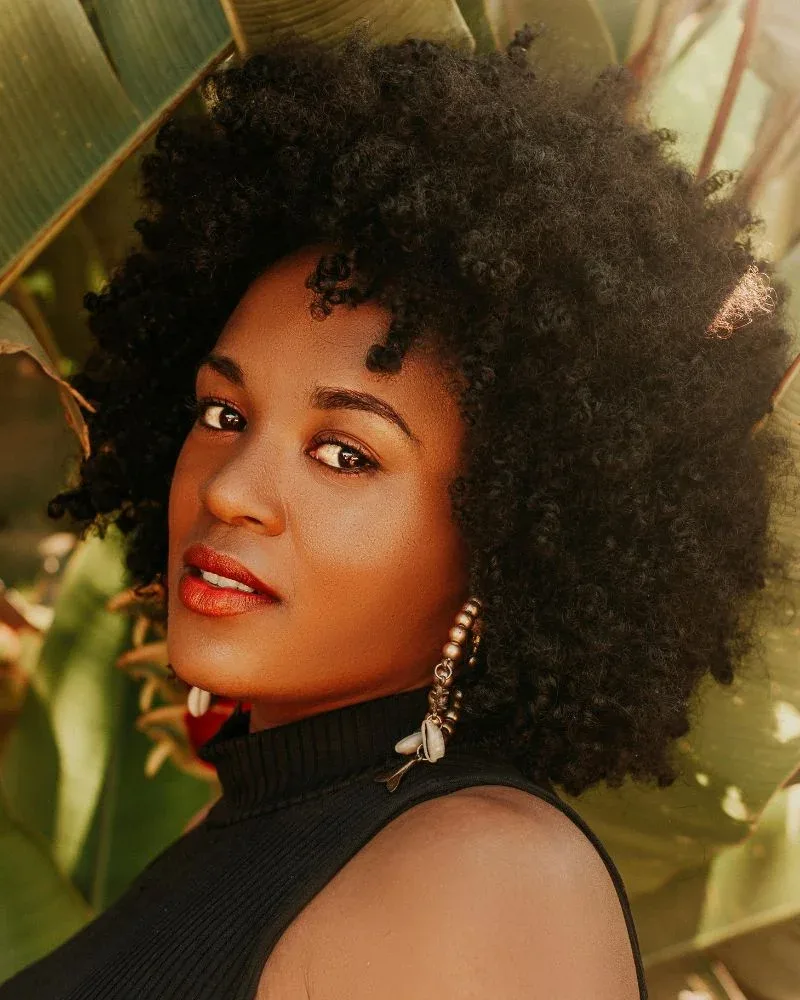
Type 4 hair is commonly grouped into 4A, 4B and 4C patterns. These labels describe the general appearance of the coils.
4A Hair
4A hair usually has small, springy coils with a visible S-shaped pattern. The coils may remain fairly defined when the hair is wet or dry, although shrinkage and definition vary between individuals.
4B Hair
4B hair often has tighter bends with less uniform definition than 4A hair. Some strands may form a Z-shaped pattern, while others appear fluffy or densely packed.
4C Hair
4C hair generally has very tight coils with less visible definition in its dry state. It can experience significant shrinkage, but this does not mean the hair is damaged or unable to grow.
Many people have a combination of these patterns across different areas of their head. Use the labels as a general reference rather than a strict set of rules. For photographs and a closer visual comparison, see our 4A, 4B and 4C hair chart.
What Matters Beyond Your Curl Pattern?
Your curl pattern describes the general shape of your strands, but it does not tell you everything about your hair. Consider the following factors when choosing products and building your routine.
Porosity
Porosity describes how easily your hair takes in and loses water. Hair that develops buildup quickly may respond differently from hair that absorbs products easily but becomes dry soon afterwards.
Strand Thickness
Individual strands may be fine, medium or coarse. Fine strands can be more vulnerable to heavy manipulation, while coarser strands may respond differently to products and styling. Type 4 hair is not automatically coarse or thick.
Density
Density refers to how closely the strands grow together across your scalp. High-density hair may require smaller sections and more time to detangle. Lower-density hair may become weighed down by heavy products.
Your Hair’s Current Condition
Heat, colouring, tension and everyday handling can change how your hair behaves. A routine that once worked may need adjusting if your hair becomes damaged, develops buildup or starts breaking more frequently. If your hair has significant heat or colour damage, learn how bond builders work and how they may help.
Use your curl pattern as a starting point, then build your routine around what you observe. How your hair responds is often more useful than the label itself.

How Often Should You Wash Type 4 Hair?
Washing Type 4 hair every 7 to 10 days is a good starting point for maintaining a clean scalp. However, your ideal schedule may vary according to your lifestyle, products and hairstyle.
Wash more frequently if you notice significant buildup, itching, flaking or an uncomfortable scalp. Regular exercise and frequent use of styling products may also increase the need for cleansing. Protective styles can make washing less convenient, but your scalp still needs regular care.
Choose a gentle shampoo that cleans without leaving your hair feeling excessively dry. Follow with a conditioner to improve softness and make detangling easier. A leave-in conditioner can provide additional slip and help reduce moisture loss after washing.
Use a clarifying shampoo when your regular cleanser no longer removes buildup effectively. How often you need one depends on the products you use and how quickly residue develops. Clay washes are another option, but they can feel drying. They should not replace shampoo if they do not cleanse your scalp effectively.
How to Care for Type 4 Hair
Caring for Type 4 hair starts with understanding your curl pattern. density, porosity, strand thickness and your hair’s current condition.
A consistent routine can make washing, detangling and styling easier while reducing unnecessary friction and breakage. Pay attention to how your hair responds and adjust your routine instead of following every rule attached to a hair-type label.

The following habits can help you care for your Type 4 hair based on its individual needs.
Focus on Moisture Retention
The bends in Type 4 hair can make it harder for natural scalp oils to coat the full length of each strand. As a result, the mid-lengths and ends may feel dry or become vulnerable to breakage.
Start with a water-based leave-in conditioner and add a cream or sealant if your hair needs it. Techniques such as the LOC or LCO method can help reduce moisture loss, but neither method works for everyone.
If your hair feels dry between wash days, apply a small amount of water or leave-in conditioner. Avoid repeatedly layering products if your hair already feels coated or has visible buildup.
Detangle Gently
Type 4 hair can tangle easily, but curl pattern does not determine whether your strands are fine, medium or coarse. Gentle handling is more important than following one fixed detangling method.
Divide your hair into sections and use your fingers, a wide-tooth comb or a suitable detangling brush. Start at the ends and gradually work towards the roots. A conditioner or detangling product with good slip can reduce friction and pulling.
Many people detangle before shampooing, while others prefer to detangle after applying conditioner. Choose the approach that creates the least breakage and works best for your hair.
Work in Sections
Working in sections can make washing, detangling and styling easier. The number of sections depends on your hair’s length, density and tendency to tangle.
Use enough sections to keep the hair controlled without creating unnecessary tension. Loosely twist or clip each completed section to prevent it from tangling again.
Reduce Frequent Restyling
Frequently brushing, pulling or restyling your hair can increase friction and breakage. Longer-lasting styles such as twists, braids, buns and Afro puffs may reduce daily manipulation.
A protective style should not feel painful or place excessive tension on your hairline. Continue caring for your scalp and hair while wearing the style, and avoid leaving it in longer than your hair can comfortably tolerate.
You do not need to avoid the same style completely. Focus instead on reducing tension, handling your hair gently and changing the placement when necessary.
Trim When Your Hair Needs It
There is no universal trimming schedule for Type 4 hair. Check your ends regularly and trim when you notice persistent split ends, roughness, thinning or increased tangling.
Some people benefit from scheduled trims, while others trim according to their hair’s condition. Removing damaged ends can make detangling easier and prevent splits from worsening.
If 4C is your most prominent pattern, our realistic 4C hair routine explains how to structure wash day and care for your hair between washes.
Common Questions About Type 4 Hair
Deep conditioning can improve softness, reduce friction and make detangling easier. However, there is no fixed schedule that suits everyone. Consider how your hair feels after washing and styling. Hair that feels dry, rough or difficult to detangle may benefit from more frequent conditioning. Fine hair or hair that develops buildup easily may need lighter products or less frequent treatments.
Deep conditioners can temporarily improve the feel and manageability of damaged hair, but they cannot permanently repair split or severely damaged strands. Read our deep-conditioning guide for Type 4 hair to learn how to choose a suitable treatment.
A shed hair falls from the scalp as part of the natural growth cycle and may have a small bulb at one end. Breakage happens when a strand snaps somewhere along its length.
The American Academy of Dermatology states that people commonly shed between 50 and 100 hairs daily. Shed strands can remain trapped within tight coils, so they may become more noticeable during washing or detangling.
Look at the length of the hairs you find. Shorter pieces without a bulb are more likely to be breakage, while full-length strands may be normal shedding.
Stress, illness, hormonal changes, certain hairstyles and nutritional deficiencies are among the possible causes of excessive shedding. The change may appear several months after an illness, stressful event or other trigger.
Low iron stores and vitamin D deficiency may contribute in some cases. Ferritin is a blood marker that helps assess the amount of iron stored in the body. Some studies have linked lower ferritin and vitamin D levels with telogen effluvium.1 However, these deficiencies do not cause every case of excessive shedding.
Speak with a GP or dermatologist if you experience sudden or persistent shedding, visible thinning, bald areas, pain or significant scalp changes. Depending on your symptoms and medical history, they may recommend blood tests for iron, vitamin D or other possible deficiencies. Supplements are most useful when a deficiency has been identified, and excessive doses can be harmful.2
Type 4 hair has numerous bends along each strand. These bends can create points where friction, tension and rough handling lead to breakage. Fine, chemically treated or heat-damaged strands may be especially vulnerable.
Common causes of breakage include:
– Rough or frequent detangling
– Excessive heat or repeated colouring
– Tight hairstyles that create tension
– Friction from clothing, towels or bedding
– Allowing tangles and buildup to accumulate
– Handling the hair when it lacks flexibility
– Delaying trims when the ends are severely split
Look at where the damage occurs and adjust your routine accordingly. Reduce tension, use enough slip when detangling and handle the ends gently. Persistent breakage or thinning may need assessment by a qualified hair professional or dermatologist.
If breakage continues despite changing your routine, read our guide to the common causes of 4C hair breakage.
Final Thoughts
Understanding your Type 4 curl pattern can be a useful starting point, but it should not determine your entire routine. Porosity, density, strand thickness and your hair’s condition can tell you more about the care it needs. Focus on consistent cleansing, gentle detangling, moisture retention and styles that avoid unnecessary tension. Pay attention to how your hair responds and adjust your routine when its needs change.
Most importantly, 4A, 4B and 4C are guides rather than strict rules. Healthy Type 4 hair can look and behave differently from one person to another. If you’re new to your natural hair journey or finding it difficult to embrace your texture, read our guide to five ways to embrace your natural hair journey.
Sources:
- Cheung EJ et al. “Vitamin and Mineral Deficiencies in Patients With Telogen Effluvium.” Journal of Drugs in Dermatology. ↩︎
- American Academy of Dermatology. “Hair loss: Tips for managing.” ↩︎