
Share This Article
This post may contain affiliate links and we may get paid a small commission if you click on a link.
Please read our privacy policy and cookie policy.
Bond builders have become increasingly popular and for good reason. They’re designed to support the hair’s internal structure, making them useful if you’re experiencing damage from heat styling, colour, chemical treatments, or frequent manipulation.
With so many bond-building products on the market, it’s easy to get confused about which one is actually worth using and whether they’re right for your hair.
In this post, we’ll break down what bond builders do, when you should use them, and how to choose the best bond builders for your hair.
What Are Bond Builders for Hair?
Most products in your routine focus on the outer layer of the hair, whereas bond builders target the internal structure. Hair is made up of keratin proteins held together by different bonds, including disulfide bonds, which are key to maintaining strength and structure.
When hair is exposed to heat, chemical treatments, or repeated manipulation, these bonds can weaken or break, leading to increased fragility and breakage. This structural damage affects the hair’s strength and elasticity.
Bond builders are designed to target this damage at a deeper level by reinforcing weakened bonds within the hair fibre. While they don’t permanently repair hair, they can improve strength and reduce breakage, delivering longer-lasting results when used consistently.
It’s also important to note that not all bond builders work in the same way. Some provide temporary reinforcement. While others use newer technologies, such as peptide-based systems, designed to work deeper within the hair fibre. However, these results are not permanent and ongoing maintenance is needed.
Do Bond Builders Work on Type 4 Hair?
Yes, bond builders can be effective for Type 4 hair, particularly when your strands are weakened or prone to breakage. Due to the natural bends and curves in Type 4 hair, the strand is more vulnerable to mechanical stress from detangling, styling, and heat, which can weaken the internal structure over time.
If you regularly use heat, colour, relaxers, or other chemical treatments, bond builders can be a useful addition to your routine to help reinforce the hair and reduce breakage. However, some bond-building treatments can leave the hair feeling slightly dry, and Type 4 hair already requires consistent moisture. It’s important to follow up with a hydrating conditioner or deep conditioning treatment to maintain balance.
It’s also worth managing expectations. Bond builders won’t reverse severe damage overnight. In cases of significant heat or chemical damage, trimming may still be necessary. Where bond builders are most effective is supporting weakened strands over time, helping improve strength and reduce ongoing breakage.

Bond Builders vs Protein Treatments
Both bond builders and protein treatments help strengthen the hair, but they work in different ways and target different parts of the strand.
Protein treatments primarily work on the outer layers of the hair. They help reinforce weakened areas by depositing proteins such as keratin, which can temporarily fill gaps along the strand and reduce breakage.
Bond builders, on the other hand, are designed to work deeper within the hair fibre. They support the internal structure by reinforcing weakened bonds within the cortex, helping to improve strength from within.
A simple way to think about it: protein treatments strengthen the outside of the hair, while bond builders support the internal structure.
Because they target different areas, they can complement each other when used correctly. Protein helps reinforce the strand, while bond builders support structural strength over time.
In terms of when to use each:
- Use bond builders if your hair is weakened from heat styling, colour, or chemical damage
- Use protein treatments if your hair feels overly soft, lacks structure, or breaks easily due to weakness
For Type 4 hair, avoid using both treatments on the same day, as this can leave the hair feeling stiff or brittle. Instead, space them out within your routine and always follow up with moisture to maintain balance.
When should you use Bond Builders?
Bond builders are most effective when your hair is showing signs of damage, particularly from heat styling, colour, or frequent manipulation. Depending on the product, some are leave-in treatments while others are rinse-out, so it’s important to follow the instructions for best results.
Common signs your hair may benefit from a bond builder include increased breakage, reduced elasticity, and hair that feels weaker after styling.
If your hair is weakened, you can start with a short, consistent period of use, typically around 4 to 6 weeks. As your hair begins to feel healthier and more resilient, you can shift into maintenance mode and use them less frequently, such as once a month or as needed.
For Type 4 hair, balance is key. While bond builders can strengthen the hair, overuse can leave the strands feeling stiff or brittle. This is important for finer strands, which can be more sensitive to strengthening treatments.
Pay attention to how your hair responds and adjust your routine accordingly. Your hair should still feel flexible and retain elasticity, as this is essential for maintaining healthy strands.
Best Bond Builders for Hair
With so many bond builders on the market, it can be difficult to know which ones actually work. A good starting point is to look for formulas backed by research or proprietary technologies, as these are more likely to have undergone product testing and development.
It’s also worth noting that not all bond builders work in the same way. Some use advanced technologies to support the hair’s internal structure, while others rely on ingredients like citric acid to strengthen and smooth the hair by supporting pH balance and improving overall hair strength.
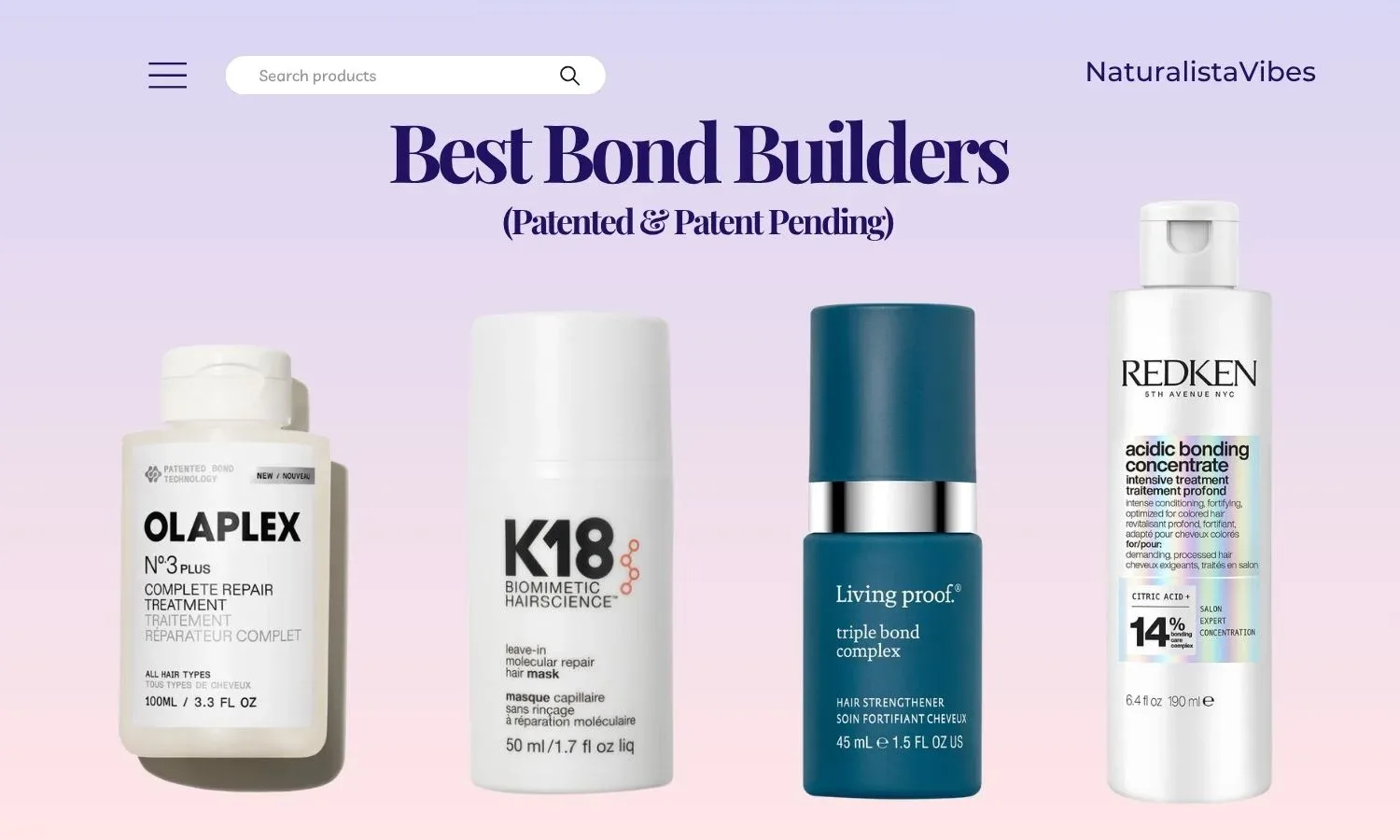
Here are some of the best bond builders on the market, along with the technologies that set them apart. We’ve prioritised products backed by patented, patent-pending, or proprietary systems designed to support damaged hair.
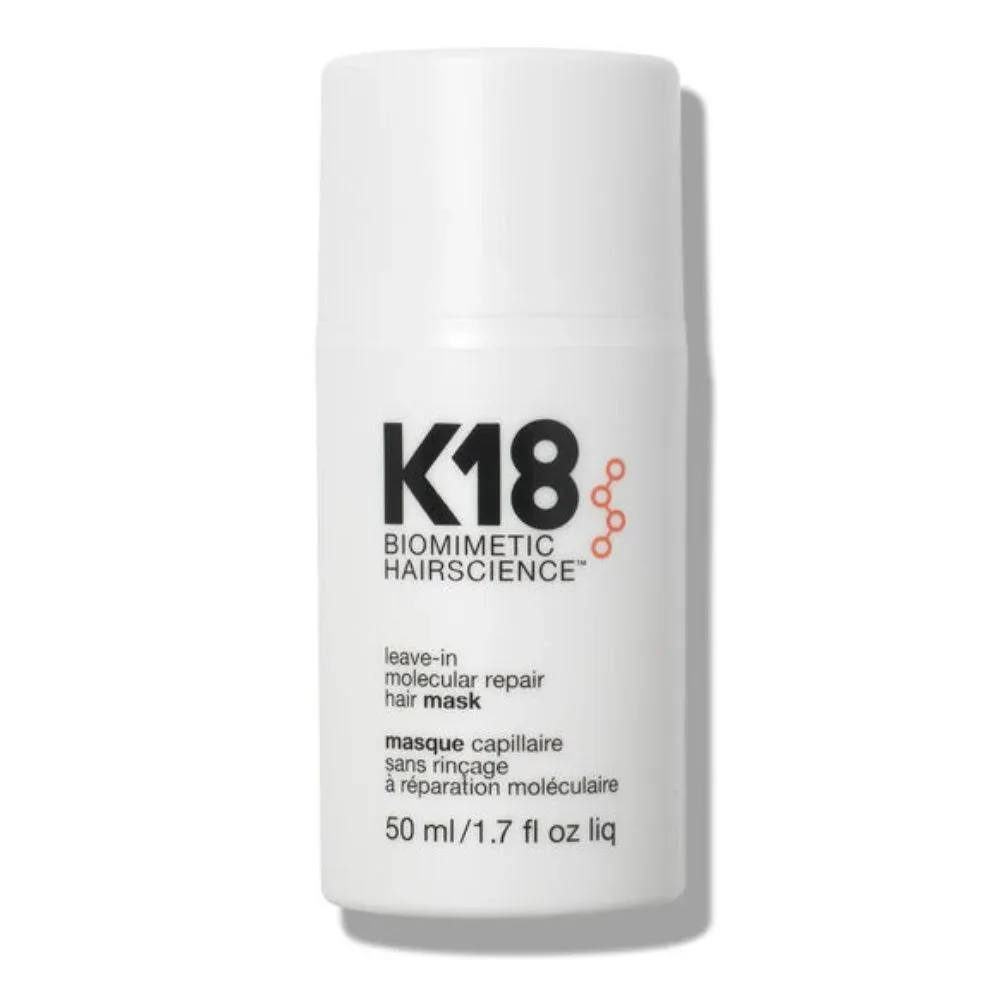
BEST overall
K18 Molecular Repair
Best for Damaged or over-processed hair
Technology : Patented K18Peptide™
Why It Works : Uses peptide technology to support weakened keratin chains and improve strength, elasticity, and resilience over time.
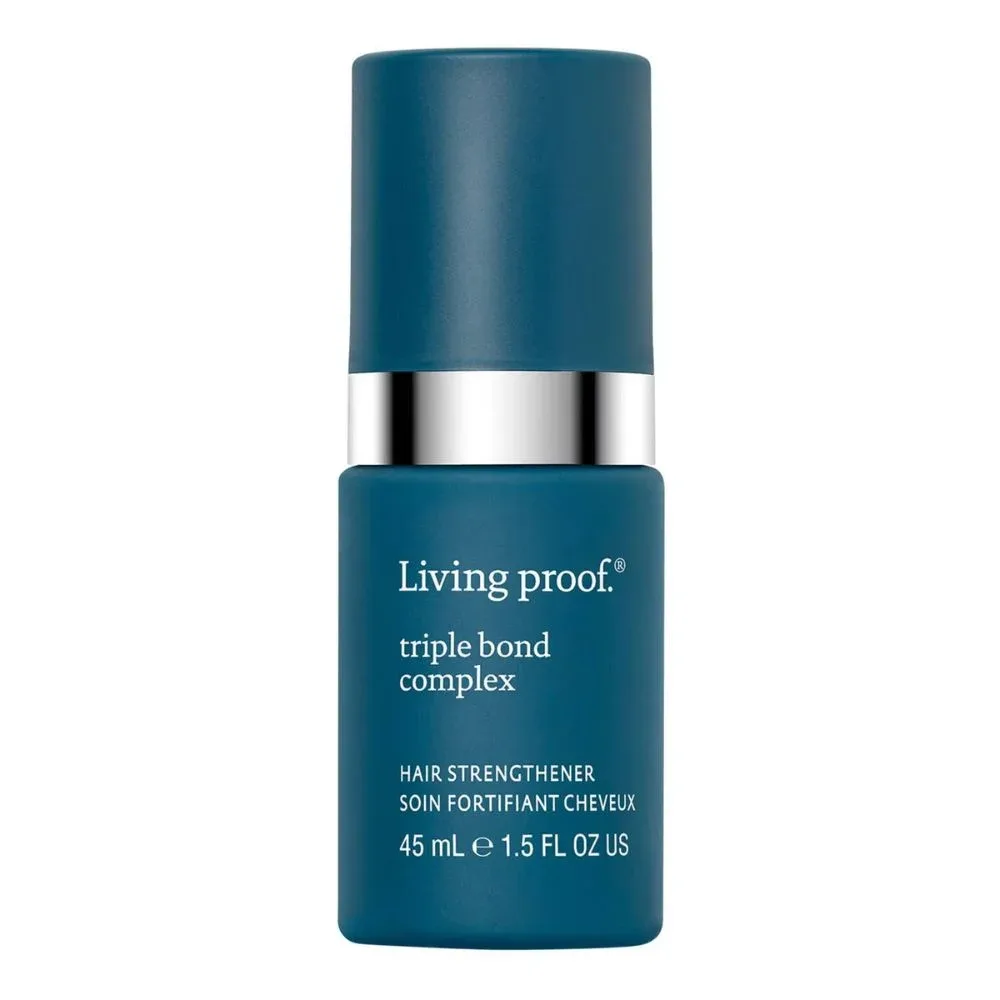
BEST for HEAT STYLING
Living Proof Triple Bond
Best for Regular heat styling and damage prevention
Technology : Triple Bond Technology
Why It Works : Supports multiple bond types within the hair to improve strength, smoothness, and resistance to damage.
BEST for heat styling
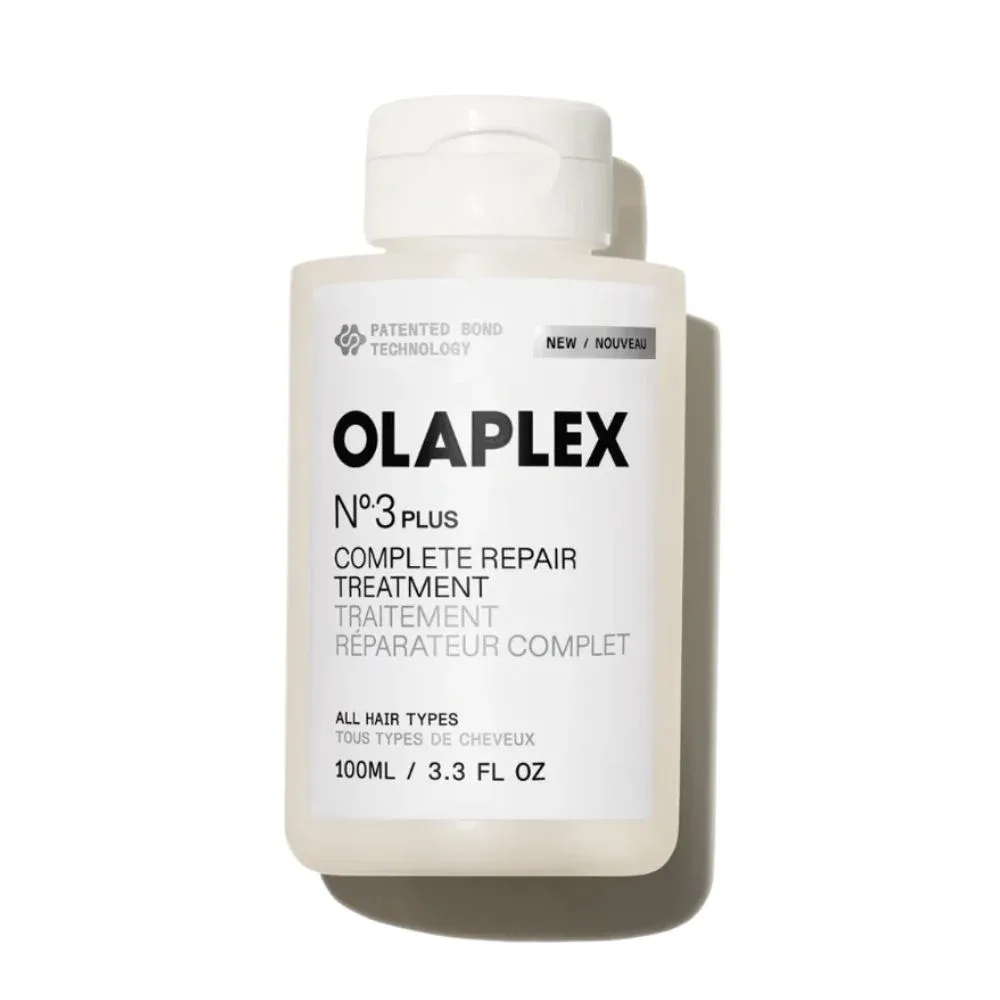
olaplex no 3 hair perfector
Best for Heat and chemical damage
Technology : Bis-Aminopropyl Diglycol Dimaleate
Why It Works : Designed to support weakened disulfide bonds within the hair, helping reduce breakage and improve overall hair resilience.
BEST for heat styling
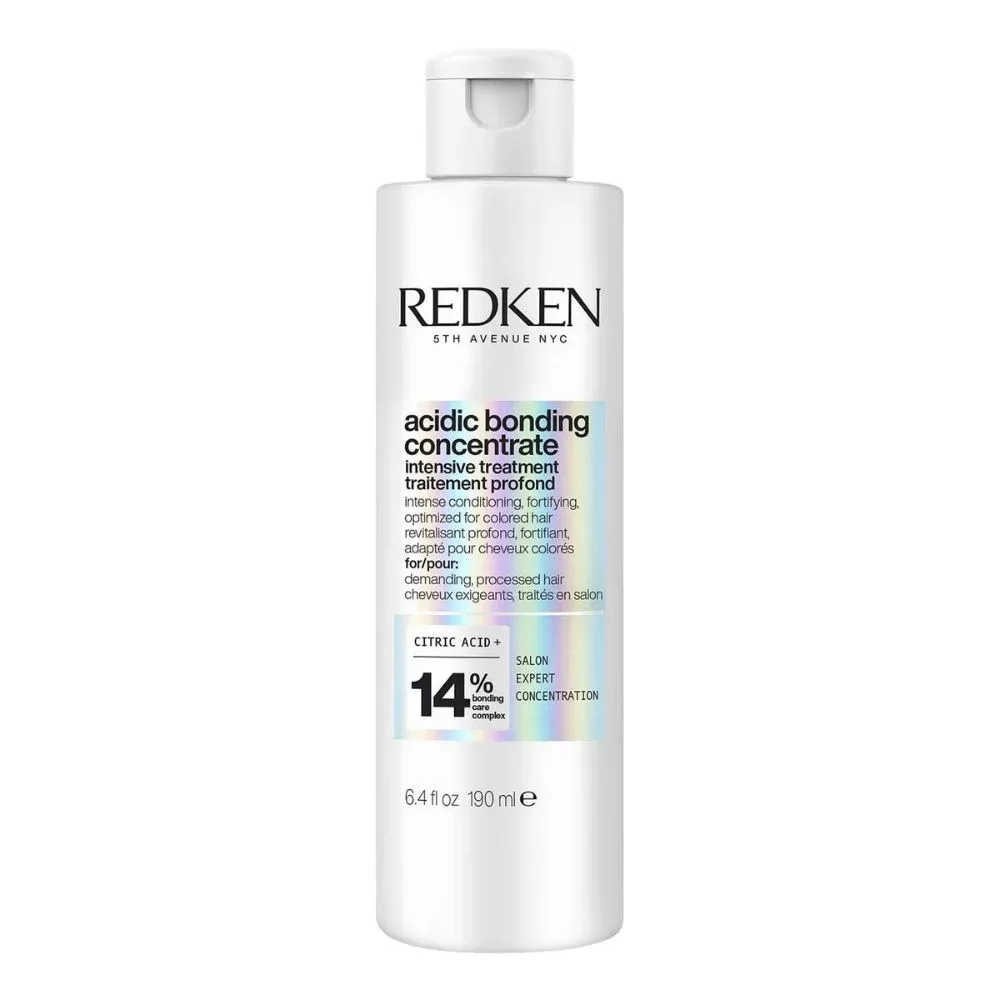
Redken ACB Concentrate
Best for Maintaining strength between treatments
Technology : Citric Acid Bonding Complex
Why It Works : Uses a citric acid system to reinforce weakened hair while improving manageability and overall hair health.
How to Use Bond Builders in Your Routine
Use bond builders based on the level of damage your hair is experiencing. If your hair is weakened from heat, colour, or chemical treatments, you can use them consistently for a short period (around 4–6 weeks) before moving into maintenance mode.
For ongoing maintenance, using a bond builder every few weeks is enough. Avoid overusing them, especially if your hair starts to feel dry or stiff.
For Type 4 hair, always balance strengthening treatments with moisture. Follow up with a hydrating conditioner or deep treatment to maintain elasticity and prevent brittleness.
Common Mistakes When Using Bond Builders
Overusing bond builders
While some products can be used weekly, overuse can leave Type 4 hair feeling dry or brittle. After an initial treatment phase, it’s better to move into maintenance mode and use them less frequently, such as every few weeks.
Not following the instructions
Bond builders need to be applied as directed to be effective. Some are designed for damp hair, while others have specific timing requirements. Always follow the product instructions to get the full benefit from the treatment.
Stacking multiple treatments on the same day
Using bond builders, protein treatments, and other strengthening products together can leave the hair feeling stiff or brittle. Instead, space treatments out across your routine to maintain balance. For example:
- Week 1: Bond builder
- Week 2: Moisture-focused treatment
- Week 3: Protein (if needed)
Relying on bond builders to fix all damage
Bond builders don’t replace good hair care practices. Ongoing heat styling, excessive manipulation, or lack of moisture will continue to weaken the hair. These treatments work best when combined with a balanced routine that includes moisture and gentle handling.
FAQs About Bond Builders
They don’t permanently repair hair, but they can strengthen weakened strands and reduce breakage over time with consistent use.
Yes, but not on the same day. Space them out in your routine to avoid stiffness and maintain balance.
Yes, overuse can leave hair feeling dry or brittle, particularly if you are not balancing strengthening treatments with moisture.
Start with regular use for a few weeks, then reduce to maintenance every few weeks depending on your hair’s needs.
Yes, but use them in moderation and ensure you maintain moisture, as some strengthening treatments can leave low-porosity hair feeling dry if overused.
Sources
This article references published research on hair structure, damage, and hair fibre integrity.
- Chemical and Physical Behavior of Human Hair by Clarence R. Robbins
- Effect of Cosmetic Pretreatments on Thermal Damage of Human Hair by Khumalo et al.