
Share This Article
This post may contain affiliate links and we may get paid a small commission if you click on a link.
Please read our privacy policy and cookie policy.
Many naturals choose cornrows and braids as protective styles. Yet they place very different levels of tension, weight, and manipulation on Type 4 hair. While both styles can support length retention, the way they’re installed and maintained can impact the health of your hair.
Many people wear cornrows with their natural hair or braids with added extensions to reduce daily manipulation and support their hair growth goals. However, not every protective style is automatically healthy for your hair. The neatest or longest-lasting style isn’t always the healthiest option for your hair.
In this article, we’ll break down the differences between cornrows and braids, the pros and cons of each style, and what to consider if your goal is healthier hair growth and length retention.
Do Cornrows or Braids Actually Help Hair Growth?
There’s a common misconception that braids and cornrows directly grow your natural hair. In reality, hair grows from the scalp, while hairstyles themselves do not directly increase hair growth.
Instead, protective styles support length retention by reducing friction, excessive handling and mechanical stress on the hair. Because the hair remains relatively undisturbed for longer periods, many people notice more visible length after taking down these styles.
The Difference Between Hair growth and Length Retention
Hair growth and length retention work hand in hand.
Hair growth refers to the new hair growing from the scalp, while length retention refers to how much of that growth you’re able to keep over time.
Breakage is one of the main reasons many people struggle to retain length. Friction, tangling, and mechanical stress can all cause hair to break before you see the growth you’re working towards.
Protective styles help reduce daily handling. However, rough installation, poor maintenance, and aggressive takedowns can still lead to breakage.
What’s the Difference Between Cornrows and Braids?
While cornrows and braids are both created using braiding techniques, the structure of each style is very different. Cornrows are braided closely against the scalp in continuous rows, while braids are individual sections that hang freely from the scalp.
What Are Cornrows?
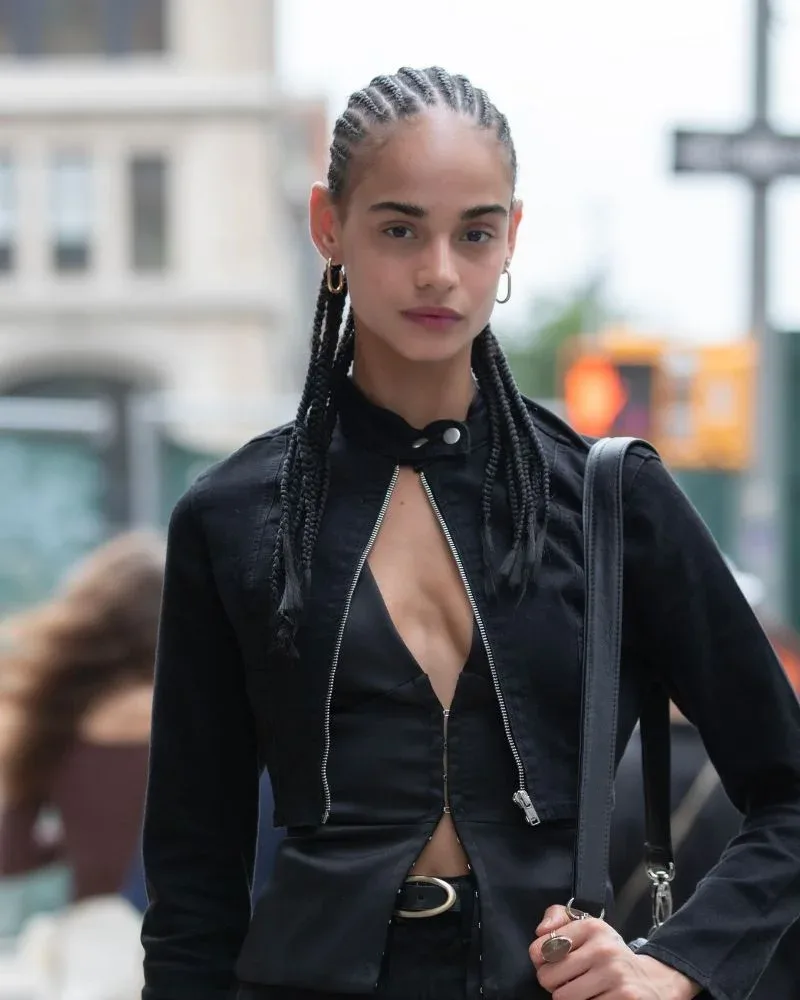
Cornrows are a braided style where the hair is braided closely against the scalp in rows or patterns. They can be created using only natural hair or with added extensions for extra length and fullness.
Because the hair is secured flat against the scalp, cornrows are considered a lightweight protective style. They also make it easier to access and cleanse the scalp compared to some longer braided styles.
What Are Braids?
Braids are individual plaits created by sectioning the hair into separate parts. They’re often installed with added braiding hair to create longer-lasting styles, additional fullness and extra length.
While braids are versatile and low maintenance, heavier extensions can place additional stress on the scalp and hairline.
How Tension Differs Between the Two Styles
Tension is one of the most important factors to consider when comparing cornrows vs braids for hair growth and length retention.
Braids often create additional tension because of the added weight. This is more common with very long braids or styles installed in small sections. Over time, excessive weight can place stress on the roots and hair follicles. If this tension becomes repetitive or prolonged, it may contribute to traction alopecia.
Cornrows distribute tension more evenly across the scalp, especially when installed without added braiding hair. However, very tight cornrows or styles installed too firmly around the edges can still create significant stress on the scalp and hairline.
Are Cornrows Better for Natural Hair Growth?
Cornrows using your natural hair can support healthier length retention for many naturals because the hair remains secured and less exposed to daily handling. However, whether cornrows are actually beneficial depends heavily on factors such as tension, installation technique, scalp health, and the overall condition of your hair.
Why Low-Manipulation Styling Matters
Low-manipulation styling helps reduce breakage caused by friction, tangling, and excessive handling. Because Type 4 hair naturally coils around itself, it’s often more prone to knots and mechanical damage during detangling and styling.
When Cornrows Become Damaging
Cornrows stop being protective when excessive tension, discomfort, or poor maintenance becomes involved. A style is no longer healthy if it causes pain, bumps, excessive shedding, headaches, or noticeable tension around the hairline.
Many naturals don’t realise a style is too tight until soreness or tension around the hairline starts developing a few days later.
Scalp maintenance also matters. Wearing cornrows doesn’t mean your scalp should be ignored for weeks at a time. Product buildup, sweat, and irritation can still accumulate underneath the style.
While edge control can help styles look neater temporarily, excessive use may contribute to buildup, dryness, and repeated tension around the hairline. In many cases, lighter products and gentler styling techniques may place less stress on the edges over time.
Tight Cornrows and Traction Alopecia Risk
Even though cornrows distribute tension more evenly across the scalp, tight cornrows can still place stress on the hairline and follicles.
The hair around your edges is finer and more fragile, which makes it vulnerable to repeated pulling and tension. Because cornrows begin directly at the scalp, tight gripping around the front and sides of the hairline increases the risk of traction alopecia.
Are Braids Better for Length Retention?
Braids support length retention by keeping the hair secured and reducing the amount of daily handling. For many naturals, braids also offer convenience, styling versatility, and longer-lasting wear.
However, the benefits depend on factors such as
- Braid size
- Extension weight
- Installation tension
- Scalp maintenance
- Hair health
People with finer strands may experience more stress from very long or heavy braids because their hair can’t tolerate weight in comparison to coarser strands.
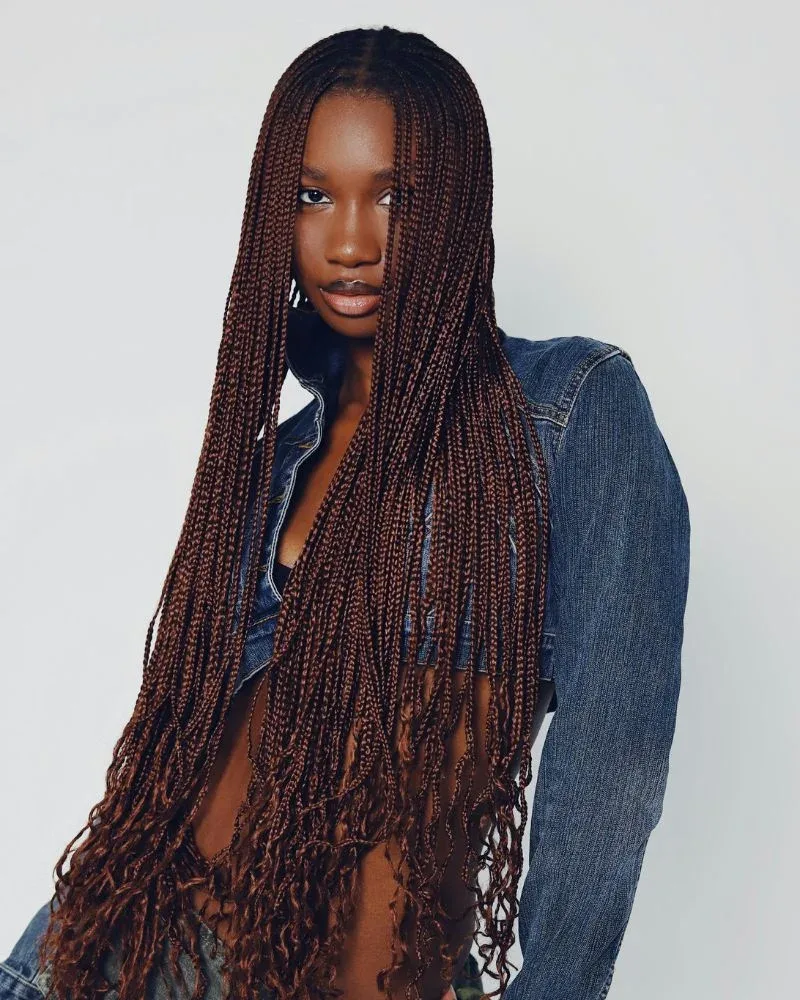
The Downside of Heavy Extensions
While long braids may look aesthetically appealing, heavier extensions place significant stress on the scalp and roots.
Very long braids or styles installed in very small sections create more tension because of the added weight pulling directly on individual sections of hair. This can become even more problematic when the braids are repeatedly styled into high buns or tight ponytails, which increases tension around the hairline and crown.
For many people, medium-sized braids and shorter lengths will place less stress on the hair while still offering the convenience of a long-lasting protective style.
Are Knotless Braids Better for Your Hair?
Knotless braids are considered gentler on the scalp because the extensions are fed gradually into the braid rather than starting with a tight knot at the root. This can reduce immediate tension and discomfort during installation.
However, knotless braids can still become heavy depending on the length, density, and amount of added hair used, so maintenance and installation technique still matter.
How Long Should Braids Stay In?
Keeping braids installed for too long may increase the risk of buildup, tangling, dryness, and breakage during takedown.
While some people stretch styles for 3 to 4 months, many professionals recommend keeping braids in for around 4 to 6 weeks, depending on the condition of the hair and scalp. Some styles may last longer, but protective styles can become less protective when excessive shedding, matting, or scalp irritation starts to develop.
Why Buildup and Dryness Matter
Skipping wash days for long periods or layering excessive products contributes to buildup, irritation, and flakes over time.
Dryness becomes a problem when moisture isn’t replenished regularly underneath braided styles, especially for Type 4 hair that already struggles with moisture retention.
Buildup at the roots may also increase friction during takedown, making the hair more prone to tangling and breakage once the style is removed.
Cornrows vs Braids: Which Style Causes Less Breakage?
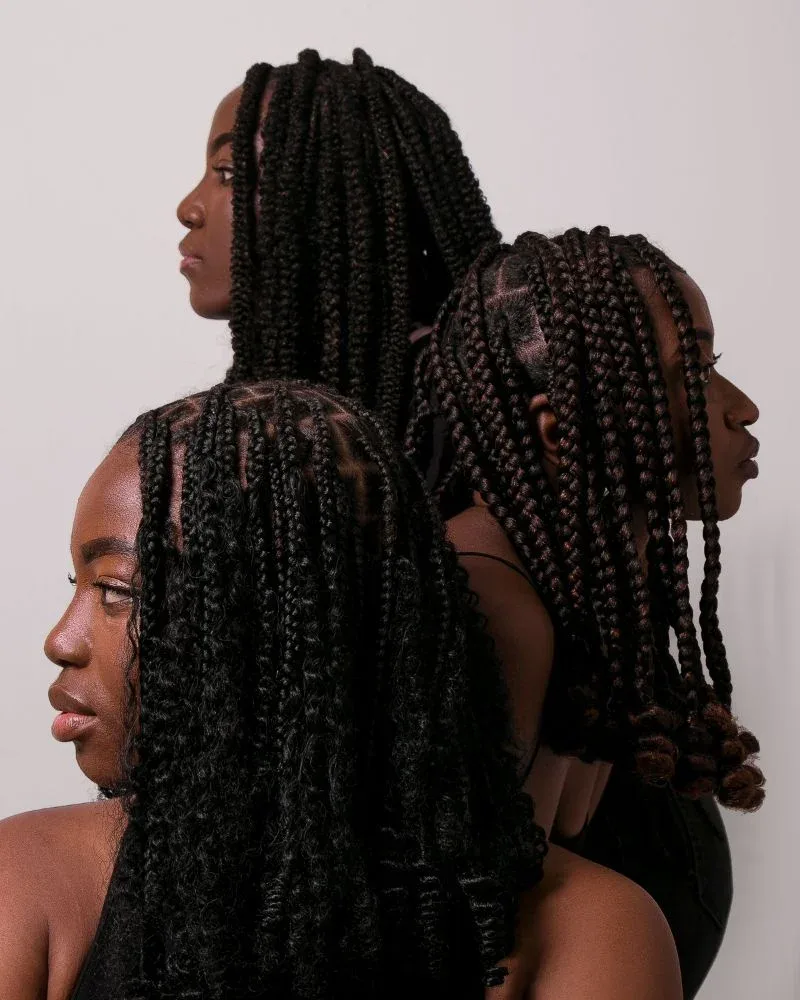
Both cornrows and braids can help reduce breakage when installed and maintained properly, but the healthier option often depends on factors such as tension, extension weight, scalp maintenance, takedown technique, and the overall condition of your hair.
It’s not as simple as saying cornrows are better than braids, or vice versa. The healthiest option depends on what your hair and scalp can tolerate.
For example, if you already struggle with thinning edges or tension sensitivity, very tight cornrows may place too much stress on the hairline. In some cases, lighter braids with minimal added hair may feel more comfortable and place less direct tension on the scalp.
| Factor | Cornrows | Braids |
|---|---|---|
| Daily manipulation | Low | Very low |
| Tension risk | Moderate if tight | Higher with heavy extensions |
| Scalp access | Easier | More difficult |
| Weight on strands | Usually lighter | Often heavier |
| Longevity | 2–4 weeks | 4–8 weeks |
| Buildup risk | Lower | Higher |
| Fine hair friendliness | Often better | Depends on weight/size |
| Styling versatility | Moderate | High |
| Hairline stress | Possible if tight | Higher with long/heavy styles |
| Best for | Lightweight protective style | Long- lasting protective style |
Ultimately, both styles can work well when tension, weight, and scalp health are managed carefully. The key is choosing a style your hair can tolerate without excessive pulling, dryness, irritation, or breakage.
The Best Protective Style for Hair Growth Depends on Your Hair
The best protective style for hair growth isn’t always the most popular or longest-lasting style. Factors such as your strand thickness, hair density, scalp sensitivity, and tolerance to tension can all impact how well your hair responds to styles like cornrows or braids.
A style that works well for one person may cause excessive tension or breakage for someone else, which is why choosing protective styles based on your own hair needs matters.
Fine Natural Hair vs Coarse Natural Hair
Fine natural hair often struggles to tolerate excessive weight and tension as well as coarser strands. Very long braids, heavy extensions, or tightly installed styles may place more stress on finer hair, especially when worn back-to-back.
This doesn’t mean people with fine natural hair can’t wear braids or cornrows, but lighter styles with minimal added hair often place less stress on the hair.
Coarser strands tolerate heavier styles better, although excessive tension can still cause damage regardless of hair texture.
Low-Density vs High-Density Hair
Hair density refers to how much hair grows on your scalp rather than the thickness of individual strands.
People with lower-density hair may find that very small braids or tightly packed styles place more visible tension on the scalp because there is less hair available to distribute the weight evenly.
Higher-density hair may create a fuller appearance and sometimes tolerate larger styles better, although scalp tension and excessive weight can still become an issue over time.
Sensitive Scalps and Tension Intolerance
Some people naturally have more sensitive scalps and may experience irritation, itching, or discomfort after installing braided styles with added hair.
Braiding hair is often made from synthetic fibres and may contain chemical coatings from the manufacturing process that can irritate sensitive scalps. Washing the hair beforehand or doing an apple cider vinegar rinse can reduce irritation.
Tension is another important factor. If a style feels painful, tight, or causes bumps around the scalp and hairline, it’s likely placing too much stress on the area.
Why Some Type 4 Naturals Do better With Lighter Styles
For many Type 4 naturals, lighter protective styles place less strain on the scalp and strands. Reducing excessive weight and tension helps minimise pulling around the roots, edges, and nape area, which are often more fragile.
Lighter styles also make it easier to maintain the scalp, minimise buildup, and avoid excessive stress during takedown. In many cases, consistency and gentle handling matter more than choosing the longest or most dramatic style possible.

How to Make Cornrows or Braids More Protective
Protective styles can help reduce breakage, but installation and maintenance matter more.
Avoid Excessive Tension
Tension is one of the most common causes of breakage and traction alopecia in protective styles. If your braids feel painful, tight, or cause bumps around the hairline, the style is creating stress on the scalp and hairline.
For people with shorter edges or fragile nape areas, leaving those sections out or reducing tension around the perimeter may help minimise breakage over time.
Don’t Ignore Scalp Buildup
Protective styles still require scalp maintenance. Sweat, oils, styling products, and flakes can accumulate underneath braids and cornrows when styles are worn for several weeks.
Lightweight scalp cleansing products or cleansing pads containing ingredients like salicylic acid can reduce buildup without fully disturbing the style.
Moisturise Consistently
Hair can still become dry underneath braided styles, particularly around the ends and nape area where friction is more noticeable. Using a lightweight moisturising spray will help keep the hair more manageable while reducing excessive dryness underneath the style.
Cleanse Your Scalp Regularly
If your scalp feels itchy or irritated underneath protective styles, gently cleansing the scalp will help maintain a healthier environment underneath the style.
Under-wig cornrows are easier to wash more thoroughly since frizz is less of a concern. However, it’s important to dry the hair properly afterwards to avoid prolonged dampness sitting against the scalp.
Protect Your Edges at Night
Protective styles still require nighttime protection. Wrapping the hair with a silk or satin scarf reduces friction, preserves the style longer, and minimises stress around the hairline while sleeping.
Don’t Keep Styles In Too Long
Leaving styles installed for too long increases buildup, tangling, and trapped shed hair. Removing styles after excessive periods leads to more difficult detangling and increased breakage during takedown.
Many naturals also experience setbacks from repeatedly reinstalling protective styles back-to-back without giving the scalp and hair time to recover. In some cases, the issue isn’t one protective style itself, but the constant tension, buildup, and manipulation over time.
For many people, keeping styles in for around 4 to 6 weeks is a manageable balance between convenience and scalp health. Protective styles stop being protective when tension, dryness, buildup, or poor maintenance become excessive.
The Bottom Line on Cornrows vs Braids for Hair Growth
Cornrows and braids do not directly grow your natural hair, but they can support length retention. Factors such as tension, scalp health, extension weight, and maintenance habits all influence results. The overall condition of your hair matters too.
Some naturals find that cornrows using their natural hair reduce tension and scalp stress. Others prefer braids for their convenience and longer-lasting wear. Hair density, strand thickness, scalp sensitivity, and styling habits all influence which option works best.
If you’re unsure which option works best, pay attention to how your hair responds when wearing these styles. Ultimately, healthy protective styling depends on consistency, gentle handling, proper maintenance, and avoiding excessive tension.
FAQs About Cornrows and Braids
Yes, cornrows are a protective style because they help reduce friction and excessive handling. However, they’re only protective when installed and maintained properly without excessive tension or buildup.
Braids do not directly make your hair grow faster.Instead, they help with length retention by reducing breakage and excessive handling. Many people notice more visible growth after removing braids because they leave their hair undisturbed for several weeks.
Both cornrows and braids can cause breakage depending on factors such as installation tension, extension weight, maintenance, and takedown technique.
Natural shedding continues while you wear protective styles, which can make removal more difficult if you don’t detangle the hair carefully. Using a conditioner or detangler with good slip helps minimise breakage during takedown.
Yes. Tight cornrows can place excessive stress on the hairline, particularly around the edges where the hair is often finer and more fragile. Repeated tension increases the risk of breakage and traction alopecia.
Knotless braids do not directly grow hair, but they feel gentler on the scalp because the extensions are fed gradually into the braid rather than starting with a tight knot at the root.
However, excessive length, weight, or tension can still cause stress on the hair and scalp regardless of the installation method.
For many people, keeping cornrows in for around 4 to 6 weeks is a manageable balance between convenience and scalp health.
Leaving cornrows in for excessive periods may increase tangling, buildup, and make takedown more difficult.
How long braids should stay in depends on the condition of your scalp, the amount of buildup, and how well you maintain your hair underneath the style.
Many people wear braids for around 6 to 8 weeks, although some styles may last longer. However, avoid keeping them in for longer than 12 weeks.
People with fine natural hair benefit from lighter, lower-tension styles such as flat twists, cornrows with minimal added hair, or medium-sized braids without excessive length or weight.
Because finer strands are less tolerant of heavy extensions and excessive tension, lighter styles minimise stress on more delicate strands.