
Share This Article
This post may contain affiliate links and we may get paid a small commission if you click on a link.
Please read our privacy policy and cookie policy.
Finding the right hairstyles for fine thin natural hair can be challenging. Finer strands often break more easily from manipulation, friction, and tension.
While protective styles can help reduce daily handling, not every style is equally suitable for fine hair. Some styles may place unnecessary stress on delicate strands, particularly when extensions, excessive tension, or prolonged wear are involved. The goal is to choose styles that minimise breakage while supporting length retention.
In this article, we’ll explore the benefits of low manipulation styling. We’ll share some of the best styles for fine natural hair and practical tips for retaining length.
If you’re searching for hairstyles for fine thin natural hair, you’re in the right place.
Fine Hair or Thin Hair? Why the Difference Matters
Fine and thin hair are often used interchangeably, but they actually refer to different things. Fine hair refers to the diameter or thickness of each individual strand. Thin hair, on the other hand, refers to density, meaning the number of strands growing on your scalp.
It is possible to have both fine hair and low-density hair, but they are not the same thing. You can also have fine hair with high density, or coarse hair with low density. Understanding the difference can help you avoid styles that place unnecessary stress on finer strands.
In general, coarser strands may tolerate higher levels of tension and manipulation better than fine strands. However, excessive tension can damage any hair type. Fine hair is often more susceptible to mechanical damage because each strand has a smaller diameter than coarse hair. This is why styling choices matter more for length retention when you have fine natural hair.
Understanding whether your hair is fine, thin, or both can help you make better styling decisions. It can also help you choose hairstyles that minimise breakage.
To learn more about how strand thickness affects breakage and retention, check out our guide on natural hair breakage causes & how to stop it.
What Makes a Low Manipulation Style Good for Fine Natural Hair?
The best low manipulation styles for fine natural hair are those that protect the ends while minimising stress on already delicate strands. In practical terms, this means choosing styles that place less tension on the hairline. They should also require minimal daily styling and reduce unnecessary handling throughout the week.
For example, regularly wearing tight ponytails, buns, or styles that pull on the hairline place repeated stress on fine strands. Over time, this may increase the risk of breakage. Particularly around the edges and nape, where hair is often more fragile. Low manipulation styles help reduce this stress by limiting the amount of daily styling required.
They can also help minimise friction, tangling, and single-strand knots. Because Type 4 hair naturally coils around itself, excessive handling can increase the likelihood of knots and tangles forming. Many low manipulation styles also provide easier access to the scalp. This makes it easier to monitor buildup, dryness, and overall scalp health while your hair remains protected.
While low manipulation styles are often a great option for fine natural hair, that doesn’t mean you have to avoid every other hairstyle. If you enjoy sleek ponytails, knotless braids, sew-ins, or other higher-tension styles, you can still wear them for special occasions. The key is to wear them in moderation, ensure they aren’t installed too tightly, and avoid keeping them in for longer than necessary.
Best Low Manipulation Styles for Fine Natural Hair
1. Flat Twists
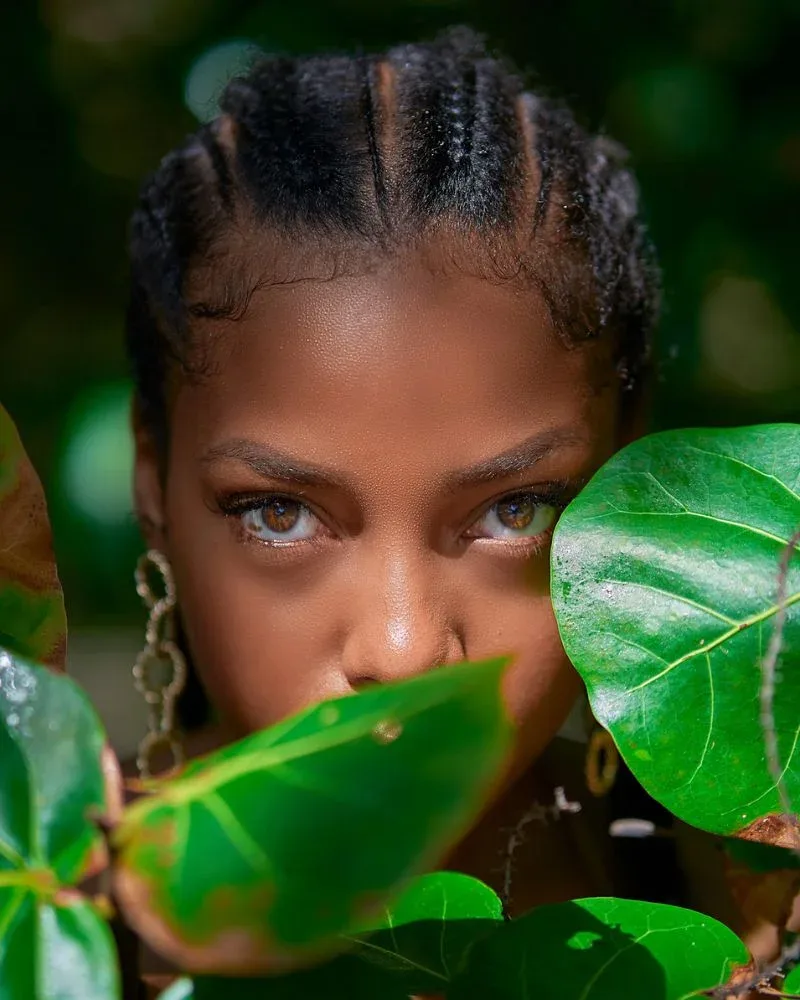
Flat twists are one of the best low manipulation styles for fine natural hair. They place relatively little tension on the strands while helping protect the ends. Similar to cornrows, the hair is twisted close to the scalp, but many people find flat twists easier to install and remove.
Another benefit is versatility. Flat twists can be worn as a standalone style. You can also take them down later for a twist-out, giving you two styles from one installation. Because the sections are typically larger than individual braids, there is less pulling and manipulation on delicate strands.
When wearing flat twists, avoid twisting too tightly around the hairline and ensure your hair is properly moisturised before installation. This can help minimise breakage and make takedown easier.
2. Medium or Large Cornrows
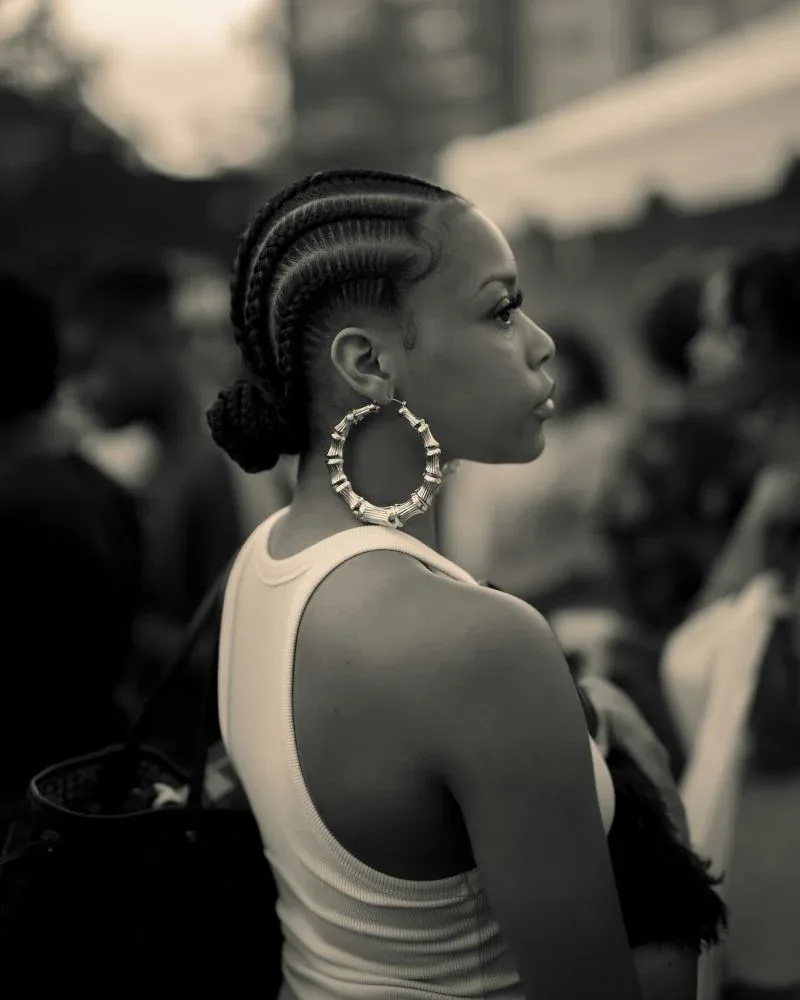
Medium or large cornrows are another great low manipulation style. They are also one of the most practical hairstyles for fine thin natural hair. When installed correctly, they place less stress on fine strands than smaller braided styles. They also help keep the hair protected and tucked away.
One of the biggest benefits of cornrows is that they minimise the need for daily styling. The visible partings make it easier to monitor scalp health and assess product buildup. They also make it easier to decide when it’s time to cleanse or remove the style. If you choose to add braiding hair, opt for a lightweight option and avoid excessive tension during installation.
As with any braided style, the key is ensuring the cornrows are not installed too tightly. Excessive tension around the hairline and nape can increase the risk of breakage on fine strands.
3. Wig Over Cornrows
Wigs are another great low manipulation option. Your natural hair remains tucked away in the cornrows and underneath the wig, which helps reduce daily manipulation.
Where wigs become problematic is the excessive use of adhesives and tight installation methods. Frequent use of frontal wigs and strong glues may contribute to irritation, dryness, or damage around the hairline if not removed carefully. For this reason, glueless or closure wigs are often a better option for those trying to minimise stress on fine strands.
Half wigs can also be a great choice if you’d like more styling flexibility while keeping most of your hair protected. Leaving out a small section of hair at the front allows you to blend your natural texture. It also limits the amount of hair exposed to daily styling.
When choosing a half wig, look for a texture that closely matches your natural hair pattern. This can help reduce the need for excessive heat styling, brushing, or manipulation of your leave-out to achieve a seamless blend. Half wigs can also be a great option if you want to wear your hair out more often but aren’t comfortable with your current length. They allow you to enjoy the look of fuller or longer hair while keeping most of your natural hair protected.
Pay attention to wig comb placement. Repeated tension in the same area may lead to irritation and thinning over time. If you wear wigs regularly, consider removing the combs and sewing the wig down instead. This is helpful if you’ve noticed tenderness or thinning in those areas.
4. Medium Two-Strand Twists
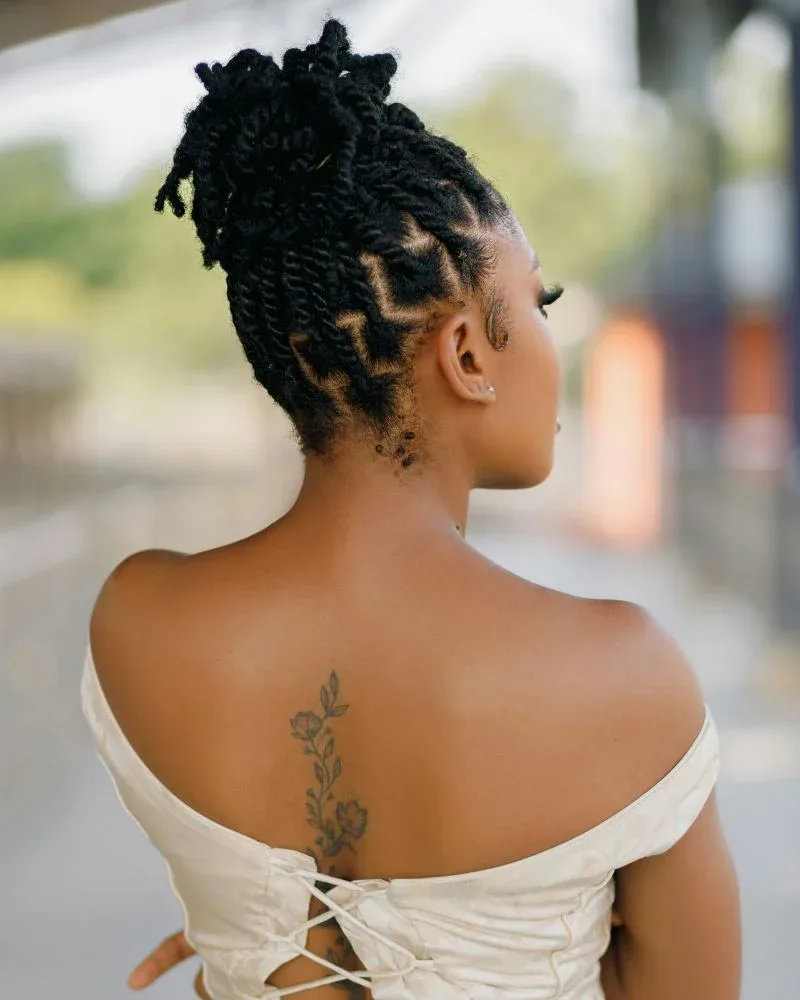
Medium two-strand twists are another excellent low manipulation style for fine natural hair. Unlike flat twists, the twists hang freely rather than being secured to the scalp, making them a versatile option that can be worn in a variety of styles.
Medium-sized twists can be easier to install, maintain, and remove than very small twists. As an added bonus, two-strand twists can be styled in buns, half-up styles, and claw-clip looks without requiring excessive manipulation.
One thing to be mindful of is keeping twists in for too long. As new growth appears, twists can begin to wrap around each other causing tangling, making takedown more difficult.
5. Low Buns and Tucked Styles
Low buns and tucked styles are a quick and practical option for fine natural hair. They fit easily into most everyday routines. They require minimal styling time and can help keep the ends protected.
These styles are often a popular choice for work, school, or busy periods when you don’t want to spend a lot of time styling your hair each morning. Depending on the look you’re going for, they can be dressed up for special occasions or kept simple for everyday wear.
The key is to avoid creating excessive tension around the hairline. Rather than pulling the hair tightly into a sleek bun, opt for a looser style where possible. You can also vary the position of your bun from time to time. This can help reduce repeated stress on the same areas and lower the risk of breakage around the edges and nape.
Styles That May Require Extra Caution
As a fine-haired natural, there may be some styles you love but need to approach with a little more caution. This doesn’t mean you need to avoid them completely. However, if your goal is length retention, it may be worth limiting how often you wear higher-tension styles and paying close attention to how they are installed and removed.
Styles such as small braids, heavy extension styles, tight ponytails, and very small twists can place additional stress on fine strands. Tight styles may increase tension along the hairline and nape, while heavy extensions can add extra weight that pulls on the hair over time. For some people, repeated tension may contribute to breakage, thinning, or traction-related hair loss.
The style itself is only part of the equation. The installation and removal process also matters. Taking time to carefully detangle, remove trapped shed hairs, and use products that provide plenty of slip can help reduce unnecessary breakage. If you choose to wear higher-tension styles, consider keeping them in for shorter periods and ensuring they are not installed too tightly.
Tips for Retaining Length With Fine Natural Hair
If your goal is to grow long fine 4C hair, length retention should be one of your top priorities. Choosing the right hairstyles for fine thin natural hair can make a significant difference when it comes to length retention. While hair growth starts at the scalp, retaining the hair you grow is often the biggest challenge for fine strands. Here are some practical tips to help support length retention.
1. Rotate Your Partings
Rotating your partings can help reduce repeated stress on the same area of hair. If you’ve noticed shorter hairs or breakage around your parting, constant styling in the same direction may be contributing to the problem. Switching up your partings helps distribute tension more evenly across the scalp.
2. Avoid Excessive Tension
Limiting tension along your hairline can help reduce the risk of breakage and traction-related hair loss. It’s also worth being mindful of how often you use edge control products. While they can help create a sleek finish, excessive use may contribute to dryness, buildup, and breakage around delicate edges.
3. Don’t Leave Styles In Too Long
While every style is different, I generally wouldn’t recommend keeping most low manipulation styles in for longer than six weeks if you have fine natural hair. Beyond that point, buildup, tangling, and the detangling process can increase the risk of unnecessary breakage. While wearing protective styles, continue caring for your scalp to support a healthy environment for hair growth.
4. Keep Hair Moisturised
Protective styles can sometimes leave hair feeling dry. Preparing your hair before installation and maintaining moisture while wearing the style can help minimise dryness and improve manageability when it’s time to take the style down.
5. Protect Hair at Night
Protecting your hair while you sleep can help reduce friction and moisture loss. A satin or silk bonnet, scarf, or pillowcase can help minimise breakage and keep styles looking neater for longer.
Products That Can Support Length Retention
While styling plays a major role in length retention, the right products can also help minimise breakage and make fine natural hair easier to manage. Here are a few products worth considering if you’re looking to support moisture retention, reduce friction, and make styling easier.
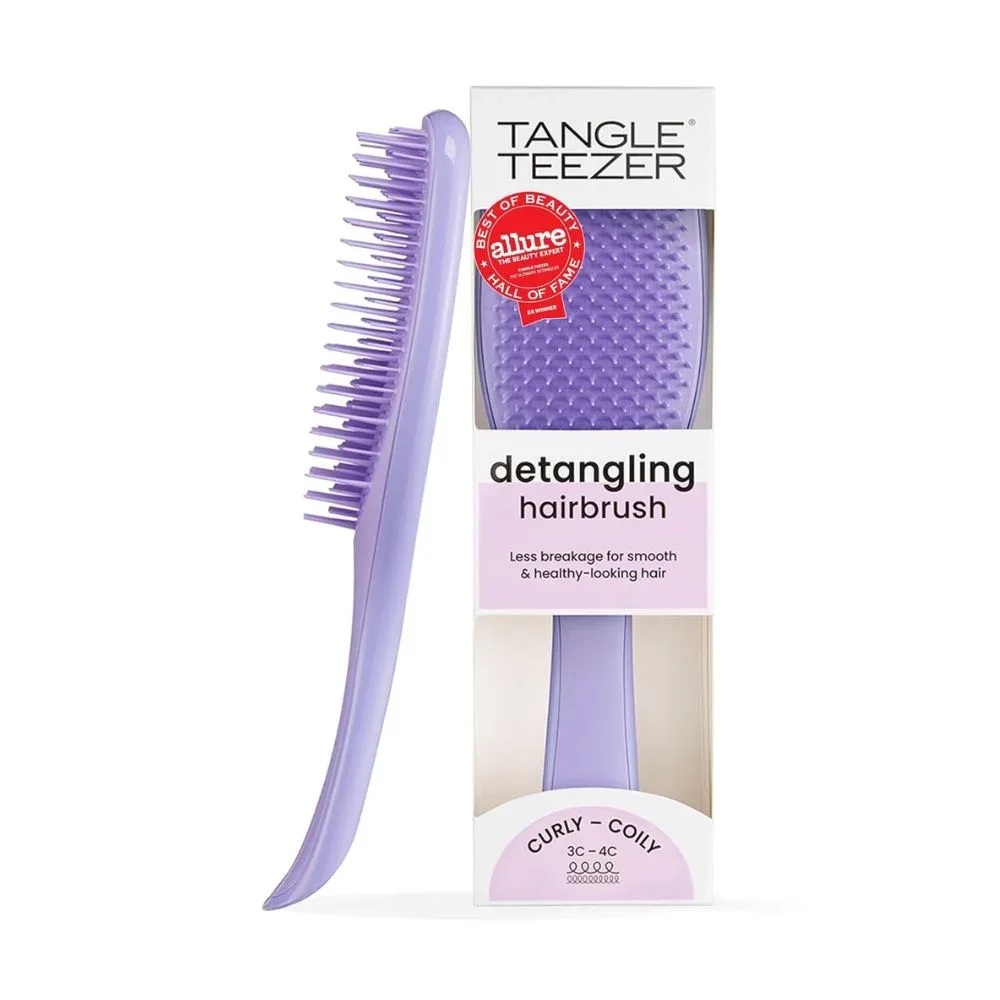
gentle DETANGLING
Tangle Teezer Hairbrush for Curly Hair
Why Fine Hair Loves It:
Helps reduce breakage by making detangling easier and gentler.
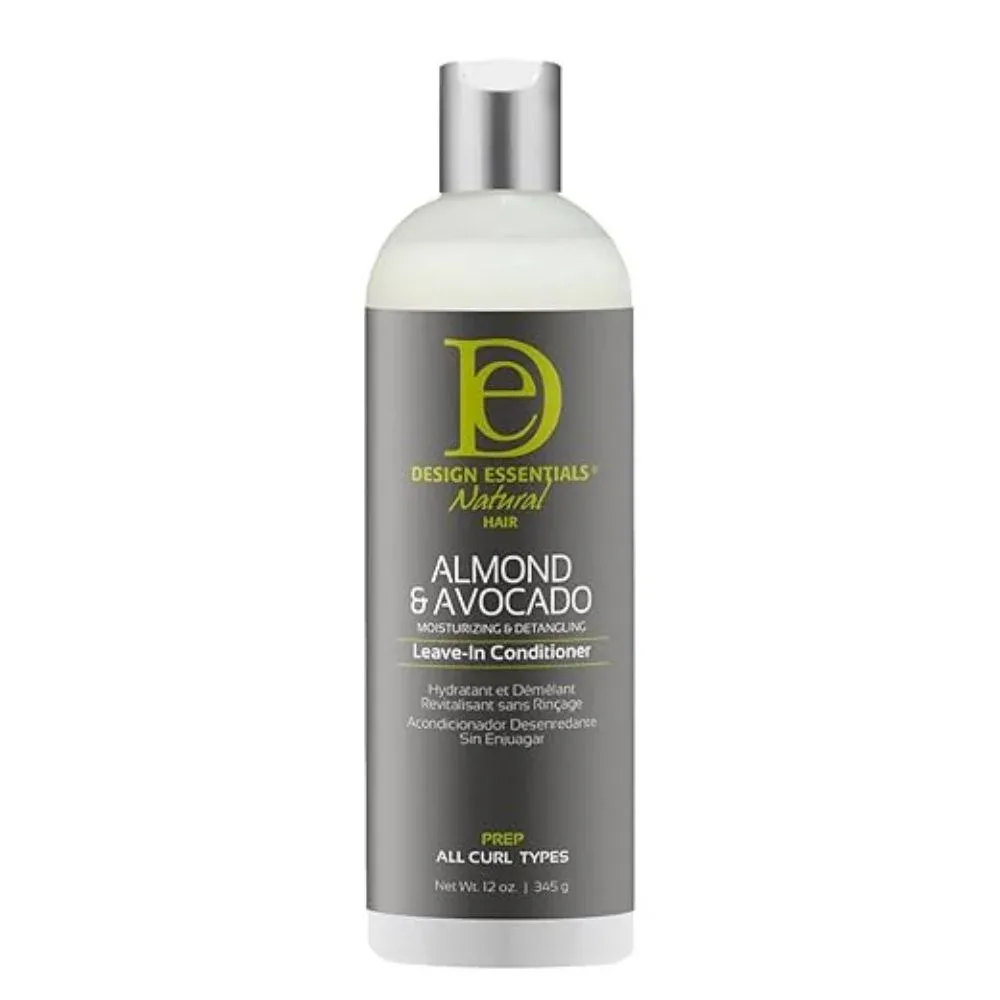
lightweight moisture
Design Essentials Almond & Avocado Leave In
Why Fine Hair Loves It:
Provides lightweight moisture without weighing down fine strands.
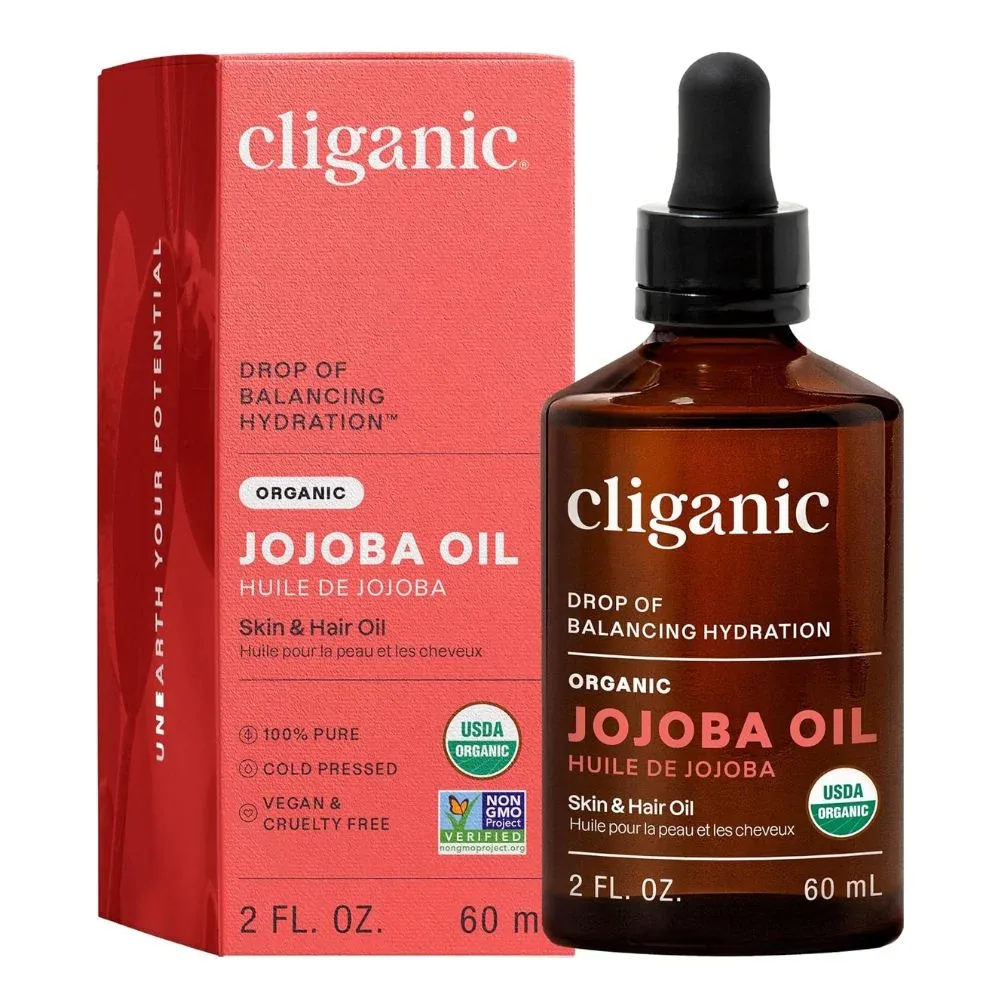
SEALING OIL
Jojoba Oil
Why Fine Hair Loves It:
Seals in moisture without leaving hair greasy or weighed down.
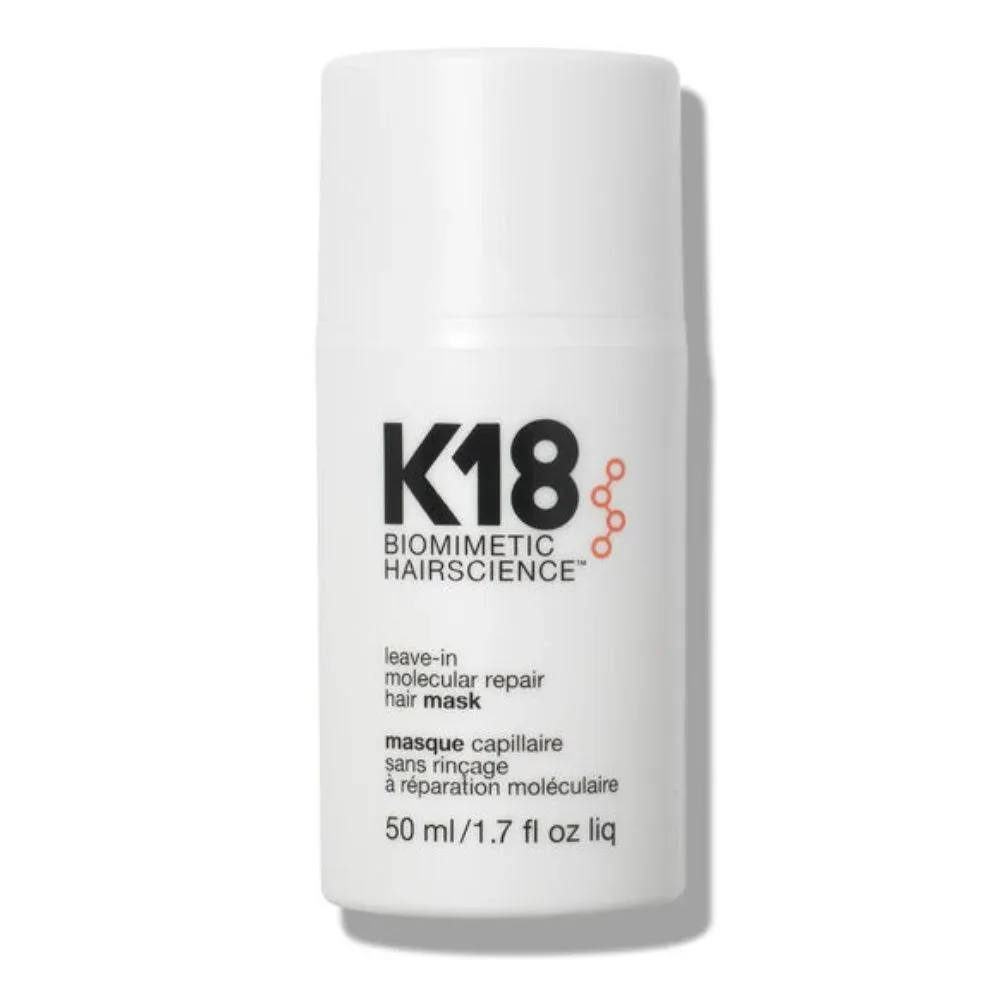
BOND REPAIR
K18 repair Hair Mask
Why Fine Hair Loves It:
Helps strengthen fragile strands without leaving hair feeling heavy.
Final Thoughts
Low manipulation hairstyles can be a valuable tool for protecting fine thin natural hair, but the best style is ultimately the one that helps you minimise breakage while fitting your lifestyle. Paying attention to tension, wear time, and maintenance can help you retain more of the hair you grow and make steady progress towards your length retention goals.
Frequently Asked Questions About Hairstyles for Fine Thin Natural Hair
No. Fine hair refers to the diameter of each individual hair strand, while thinning hair refers to density, meaning there are fewer strands growing on the scalp. It is possible to have fine hair, thinning hair, or a combination of both. If you’re experiencing noticeable thinning, patchy hair loss, or changes in density, it’s worth speaking to a healthcare professional or trichologist.
Yes, but the type of protective style you choose matters. Not all protective styles are equally suitable for fine hair. A good starting point is to focus on styles that minimise tension, reduce daily manipulation, and don’t rely on heavy extensions. This can help reduce breakage while supporting length retention.
Braids cause damage when they are installed too tightly, use of heavy extensions, or when worn for extended periods. Fine hair may be more vulnerable to breakage from tension than coarser strands.
That doesn’t mean you need to avoid braids altogether. Choosing medium to large braids, keeping tension low, and avoiding excessively long or heavy styles can help reduce the risk of damage.
There is no one-size-fits-all answer, as it depends on the style and your hair’s needs. Cornrows are often worn for around 2-4 weeks, while buns and tucked styles may be changed more frequently.
Rather than focusing solely on how long a style lasts, pay attention to signs such as excessive buildup, tangling, dryness, or difficulty accessing your scalp. Equally important is the removal process, as rushing through detangling can lead to unnecessary breakage.
Absolutely. Fine 4C hair can grow long with the right care and styling practices. The challenge is often retaining length rather than growing hair. Because fine strands may be more susceptible to breakage from tension and excessive manipulation. Choosing low manipulation styles, reducing friction, and maintaining a consistent haircare routine supports length retention.
Many women find that low manipulation hairstyles help them retain more of the length they grow for their fine thin natural hair. If you’d like to learn more, check out our guide on fine 4C hair breakage for more tips.