
Share This Article
This post may contain affiliate links and we may get paid a small commission if you click on a link.
Please read our privacy policy and cookie policy.
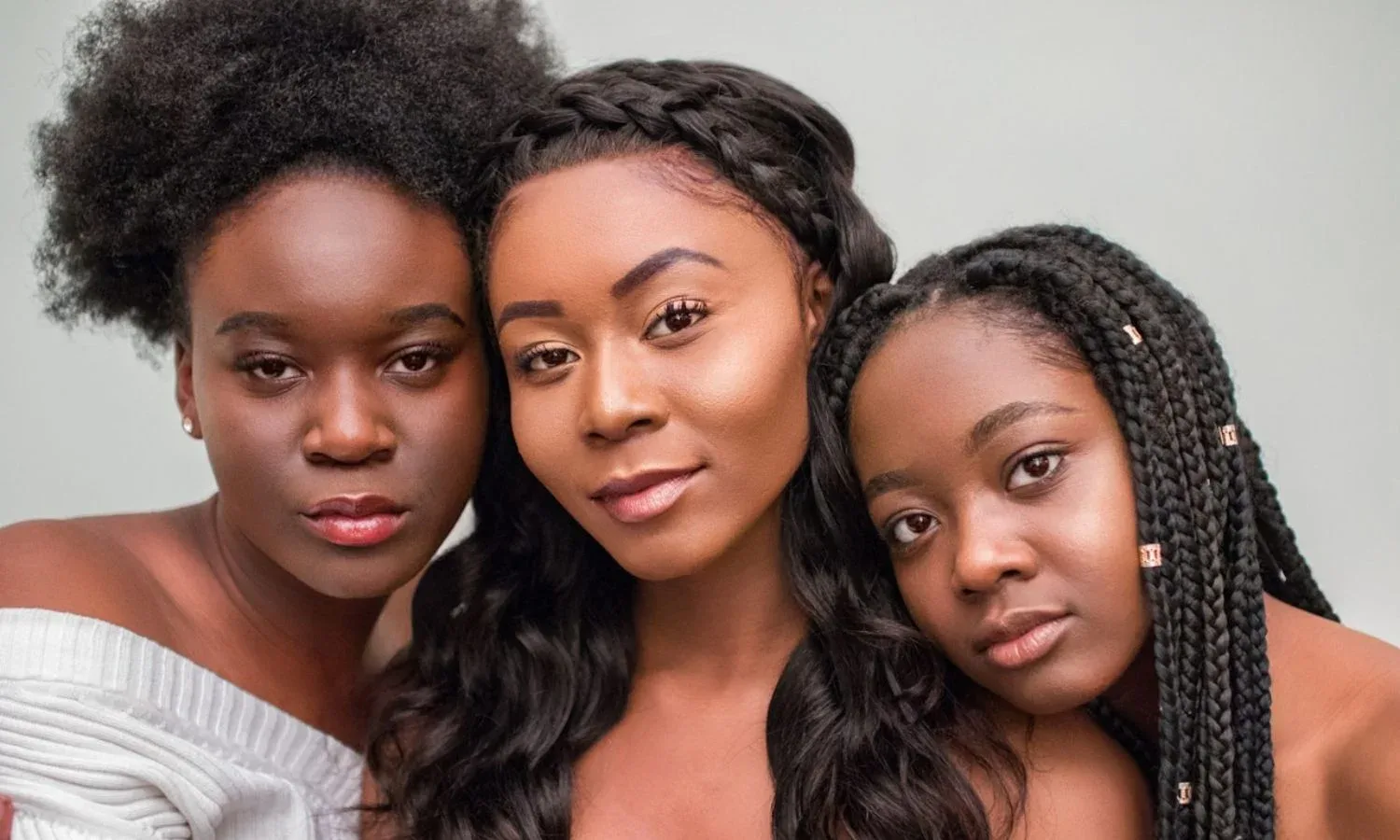
Protective hairstyles play an important role in many natural hair routines. Many people turn to these styles for hair growth, but they do not make hair grow faster. Instead, they help you retain more of the length you grow.
However, braids, twists and cornrows can still contribute to breakage, thinning edges and hair loss. So how can a style designed to protect your hair end up causing damage?
In this guide, we explore the benefits and risks of protective hairstyles and which options may support length retention. You will also learn how to prepare and maintain your hair, plus the warning signs that a style is causing damage.
What Are Protective Hairstyles?
A protective hairstyle reduces how often you need to comb, detangle and restyle your natural hair. Many styles also keep the ends tucked away, helping to limit friction, tangling and breakage.
However, hidden ends alone do not make a hairstyle protective. The style should feel comfortable, use a manageable amount of weight and allow you to care for your natural hair. Without proper care, your hair may become dry, tangled or difficult to detangle. This can cause breakage when the style is removed.
Benefits of Wearing Protective Hairstyles
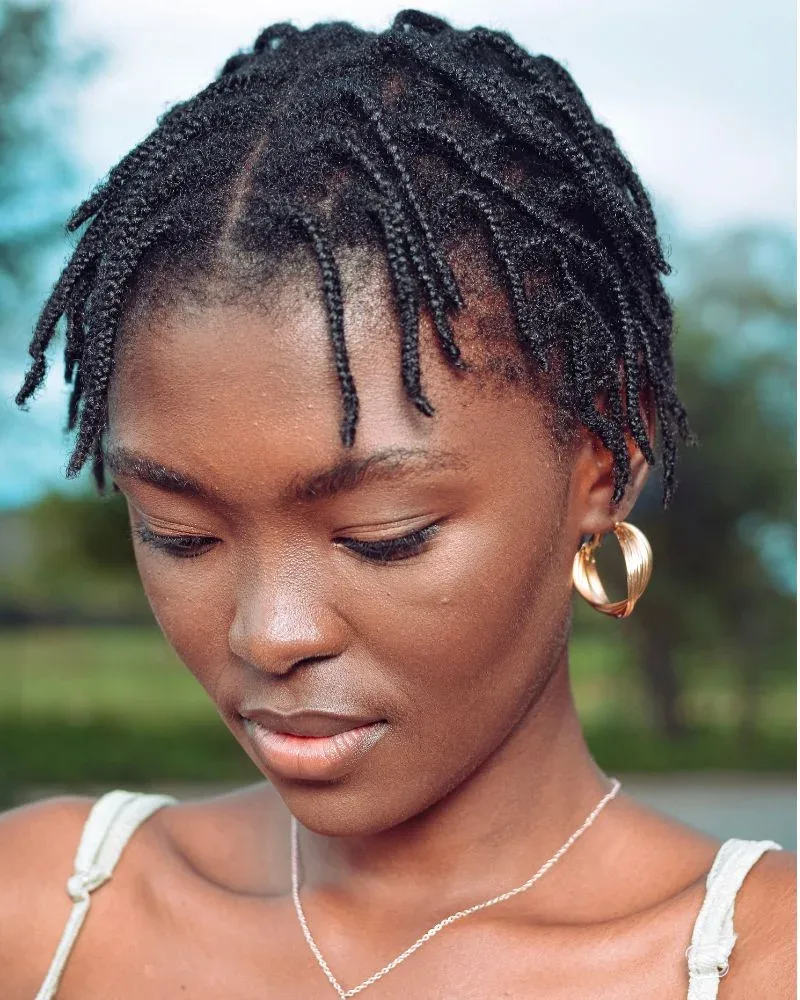
A good protective style should do more than look great. It can simplify your routine, reduce frequent handling and help you retain length.
1. Reduces Daily Manipulation
Protective styles reduce the need to comb, detangle and restyle your hair every day. Type 4 hair has bends and coils that create vulnerable points along the strand. These areas may snag or break during rough detangling and styling. Handling your hair less frequently may reduce mechanical stress and unnecessary breakage.
2. Supports Length Retention
Styles that protect your ends can limit friction, tangling and breakage in the oldest part of your hair. This may make it easier to preserve length over time. The benefit comes from holding on to your existing hair rather than changing its natural growth rate.
3. Simplifies Daily Maintenance
This is one of the most practical benefits. You can spend less time detangling and styling your natural hair each morning. Low maintenance does not mean no maintenance. You still need to keep your scalp clean and care for the natural hair beneath the style.
4. Allows You to Experiment With Different Looks
Protective styles allow you to try different lengths, colours and textures without permanently altering your natural hair. Braids, twists, wigs, crochet styles and sew ins provide plenty of options. They may also reduce the need to colour or heat style your natural hair to achieve a particular look.
5. Helps You Through the Awkward TWA Stage
If you are newly natural, you may experience an awkward TWA stage while learning what works for your current length. Protective hairstyles can provide more styling options during this phase. They can also simplify your routine when you want a break from styling your natural hair.
Drawbacks of Protective Hairstyles
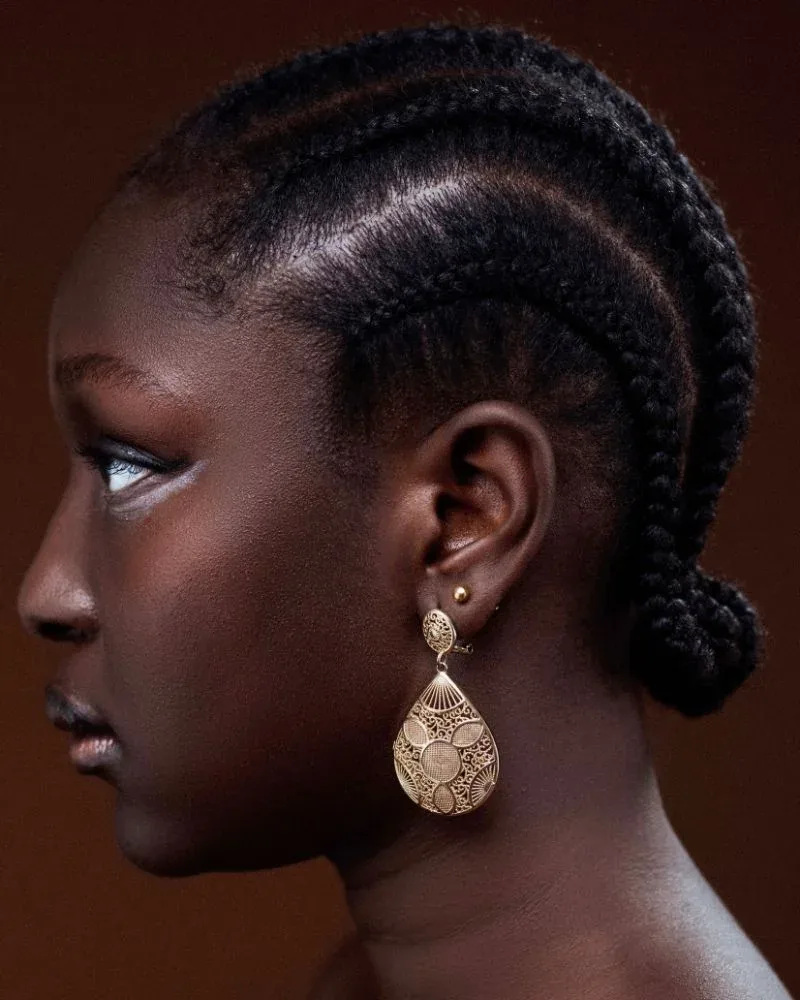
A protective style can look flawless and still place stress on your hair. Tight installation, added weight and poor maintenance can turn a helpful style into a source of breakage. Here are four potential drawbacks to consider.
1. Wearing the Same Style Constantly May Cause Breakage
Have you heard the saying that too much of anything is not good for you? The same logic applies to protective styles.
Repeatedly wearing a style that pulls on the same areas can place ongoing stress on your hair and scalp. This is particularly important around the hairline, where the strands may be more vulnerable. Try alternating your styles, partings and tension points. If your scalp feels tender or irritated, wait until it feels comfortable before installing another style.
2. Some Styles Still Require Frequent Manipulation
A hairstyle may be described as protective while leaving sections of your natural hair exposed. The amount of protection depends on the style, its length and how you maintain it.
For example, a sew in with a large amount of leave out may require regular styling to blend your natural hair with the extensions. Frequent heat and manipulation can eventually cause breakage, leaving some areas shorter than others. Pick and Drop braids can present a similar concern when sections of your natural hair extend beyond the braided area. Those ends may experience more friction, tangling and manipulation.
This does not mean these styles are always damaging. It means the exposed sections need the same gentle care as the rest of your natural hair.
3. Tight Styles Can Cause Traction Alopecia
Tight braids, cornrows, weaves and extensions can place repeated tension on the hair follicles. Over time, this can lead to traction alopecia.1 Pain, stinging, scalp bumps caused by tight braids and broken hairs around the hairline are warning signs. If your style feels too tight, ask your stylist to loosen it immediately. A protective style should not hurt.
Early traction alopecia may improve when the tension stops. However, prolonged pulling can permanently damage the follicles, so ongoing thinning should be assessed by a dermatologist. Type 4 hair can have fine, medium or coarse strands. Regardless of strand thickness, long or heavy extensions may increase stress on the scalp and hairline.
4. Wearing a Style for Too Long Can Lead to Matting
Braids and twists can begin to mat when shed hairs, product buildup and neighbouring strands become tangled within the style. The longer you wear them, the more difficult they may become to separate.
Most braided styles should be removed within six to eight weeks. Remove them sooner if you notice pain, irritation, excessive buildup or matting. Protective styles can work well, but keeping them in for longer does not provide better protection.
Best Protective Hairstyles for Hair Growth and Length Retention
When hair growth is your goal, protective styling can help you preserve more of the length you gain. Reducing frequent handling, friction and breakage can make your progress easier to see over time.
The best protective style is not always the most popular one. It should suit your strand thickness, hair density, scalp sensitivity and routine. Most importantly, it should feel comfortable and avoid unnecessary weight.
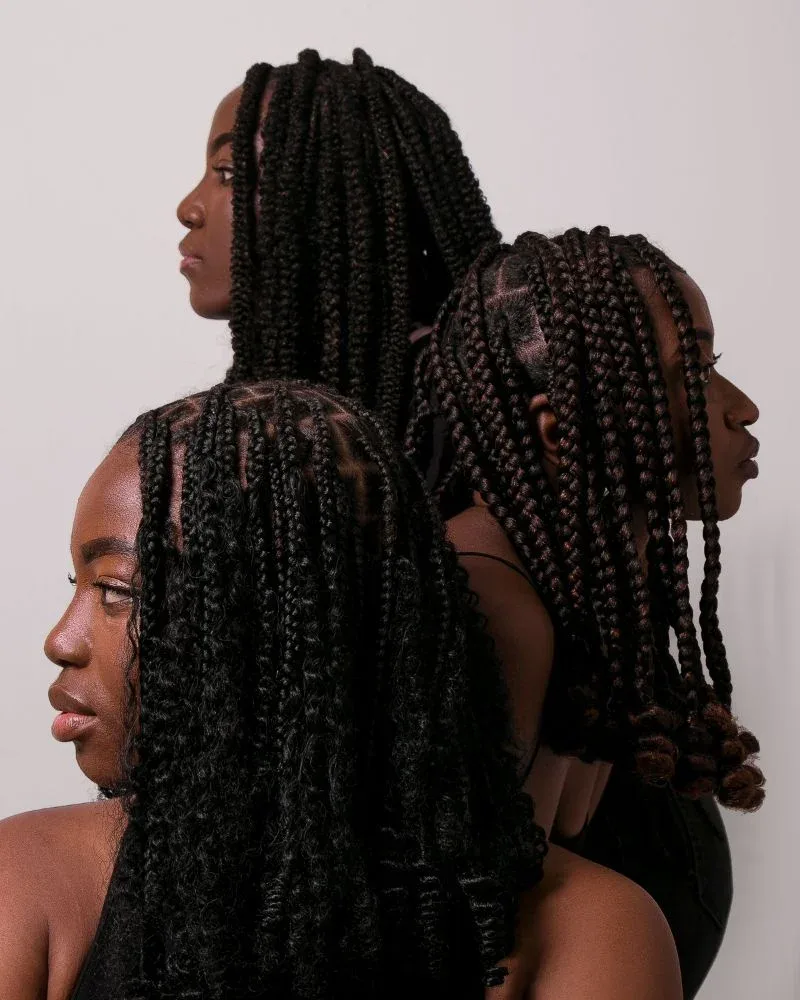
Here are six options that may support your length retention goals.
1. Cornrows
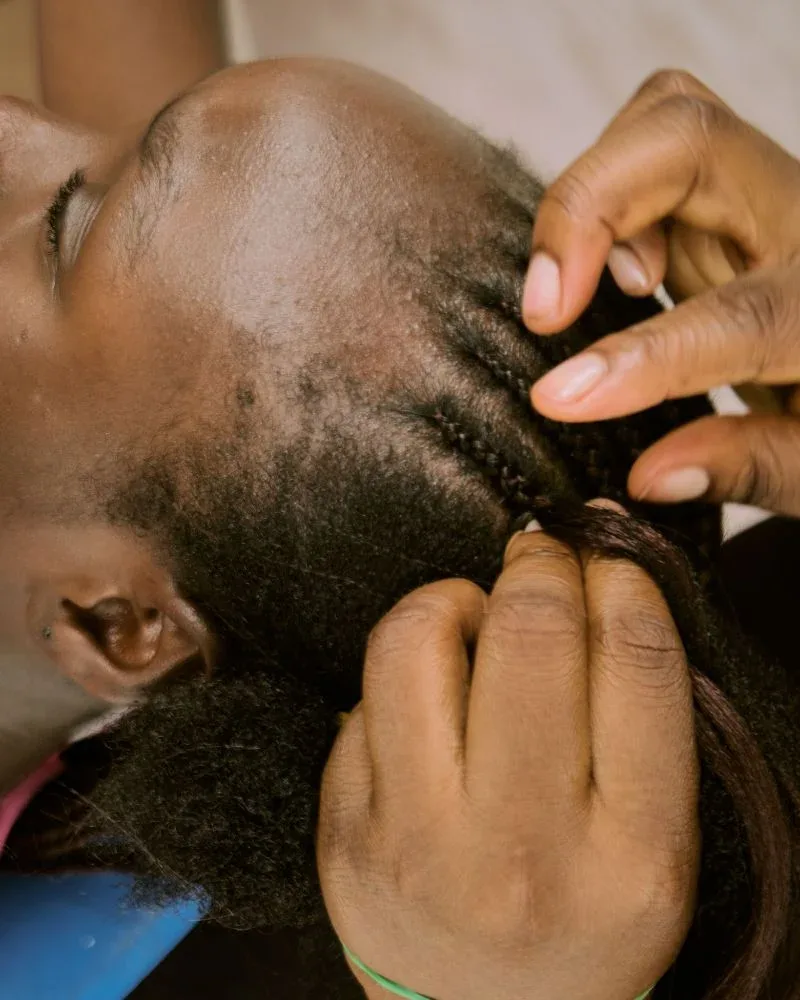
Cornrows keep the hair organised and require little daily styling. You can wear them with your natural hair or add braiding hair for more length and versatility. Small sections and tight braiding can strain your scalp and hairline. Be mindful of how much edge control you use too. Heavy layers can create buildup, while repeated brushing may contribute to dryness and breakage.
Read our guide comparing braids and cornrows to help you choose between them. Flat twists are another lightweight option that does not require added hair.
2. Crochet Braids
Crochet braids offer plenty of styling options, including curly, coily and straight textures. Your natural hair is usually cornrowed beneath the extensions, allowing you to change your look without repeatedly restyling it.
The main consideration is how much crochet hair is added. An overly full installation can feel heavy and place pressure on the cornrow base. Choose a manageable amount of hair and make sure you can still reach your scalp for cleansing.
3. Sew Ins With Minimal Leave Out
Sew ins can be useful when you want to wear a different texture while keeping most of your natural hair braided away. A small amount of leave out or a closure may reduce the need for frequent styling. Choosing kinky straight or kinky curly bundles can also help you blend your hair without relying on regular heat.
Scalp care is important with this style. Cleanse beneath the wefts, avoid heavy buildup and make sure the braided hair dries properly after washing. Read our complete guide to sew ins for natural hair growth and length retention.
4. Medium Sized Braids
Medium sized box braids and knotless braids can provide a practical balance between versatility and ease of wear. Braid size is only one factor to consider. Very long extensions and dense braiding hair can still feel heavy, even when the sections are medium sized. Avoid pulling fresh braids into tight ponytails or buns because this adds further pressure around the edges.
5. Mini Twists
Mini twists are a lightweight option that allows easy access to your natural hair. They can be washed, moisturised and styled in buns, ponytails or half up looks. They are also a useful choice when you want to avoid extension hair. However, the twists may tangle, mat or begin to loc together when worn for too long.
Remove them before they become difficult to separate. Work slowly and use a detangling product with plenty of slip. Read our complete guide to mini twists for length retention and hair growth.
6. Glueless Wigs
The main advantage of a glueless wig is that you can remove it regularly and care for the hair underneath. It also avoids applying adhesive directly along the hairline.
Wig bands, clips and combs can still cause friction when they are too tight or repeatedly sit against the same areas. Make sure the wig feels secure without pulling, and maintain your natural hair between wears.
How to Care for Your Hair While Wearing a Protective Hairstyle
A protective style still requires regular care. Your routine should support your natural hair before installation, during wear and throughout removal.
Before Installation
Start with clean, conditioned and carefully detangled hair.
- Cleanse your hair and scalp to remove dirt and product buildup.
- Clarify only when needed to remove heavier buildup.
- Choose a suitable treatment based on whether your hair needs moisture or protein.
- Detangle carefully while working in sections.
- Apply a leave in conditioner before installation.
- Avoid installing extensions when your scalp is sore, inflamed or irritated.
- Choose an extension length and weight that your hair can manage comfortably.
Speak up immediately if the installation feels painful. Do not wait until you get home and hope the tension will ease overnight.
During Wear
Create a realistic maintenance routine based on the style and your scalp’s needs.
- Cleanse your scalp when needed rather than allowing sweat and buildup to accumulate.
- Apply lightweight moisture where your natural hair is accessible.
- Avoid heavy product layers on your scalp and hair.
- Protect your hair at night with a satin or silk scarf or bonnet.
- Avoid tight updos that place more tension on your hairline.
- Check your hairline regularly for broken hairs, bumps or thinning.
- Remove or loosen the style if it causes persistent pain or irritation.
Remove or loosen the style if it causes persistent pain, stinging or irritation. Most braided styles should be removed within six to eight weeks. Remove the style sooner if you notice matting, excessive buildup, discomfort or changes around your hairline.
During Removal
Rushing the removal process can undo the benefits of wearing a protective style.
- Work slowly in small sections.
- Use plenty of slip from a conditioner or detangler.
- Separate accumulated shed hair before washing.
- Finger detangle first before using a wide tooth comb.
- Avoid pulling through matting or forcing a comb through tangled hair.
- Cleanse and condition your hair after the style has been removed.
Seeing shed hair during removal is normal because strands that would usually fall each day have remained trapped within the style. However, short broken pieces may indicate hair breakage, while thinning areas or bald patches can signal hair loss.
Between Protective Styles
Give your hair and scalp time to rest before installing another protective style. Use this time to cleanse, condition and check for breakage, thinning or irritation. If your scalp still feels tender, wait until it feels comfortable before your next installation. You can also alternate your styles and partings to avoid placing repeated tension on the same areas.
Frequently Asked Questions About Protective Hairstyles
Protective hairstyles do not make your hair grow faster. They may help you retain length by reducing daily manipulation, friction and breakage. You may notice accumulated shed hair when removing the style. These strands would normally have fallen during daily grooming but remained trapped within the hairstyle.
Work slowly during removal and use a conditioner or detangler with plenty of slip. Finger detangle before using a wide tooth comb. Short broken pieces, thinning areas or bald patches may indicate breakage or hair loss rather than normal shedding.
Give your hair and scalp time to rest before installing another protective style. Use this time to cleanse, condition and check for breakage, thinning or irritation. If your scalp still feels tender, wait until it feels comfortable. Alternating your styles and partings can also prevent repeated tension in the same areas.
Braids are among the longest lasting protective hairstyles, but keeping a style for longer does not make it more protective. Most braided styles should be removed within six to eight weeks. Remove them sooner if you notice pain, irritation, buildup or matting.
Crochet braids and sew ins may also last several weeks when maintained properly. Mini twists and flat twists are useful alternatives if you prefer not to add extension hair.
Mini twists and loose flat twists using your natural hair are often among the least damaging options. They do not require added extension weight, adhesive or tight foundation braids.
Loose cornrows without added hair and comfortably fitted glueless wigs may also be lower risk choices. However, any style can cause damage when it is too tight, poorly maintained or removed carelessly.
Choose a style that feels comfortable and does not cause pain, stinging, bumps or pulling around your hairline.
Prepare your hair by cleansing, treating, moisturising and detangling it before installation.
Use a gentle shampoo, or clarify when you need to remove heavy buildup. Follow with a moisturising or protein treatment based on your hair’s needs. Read our guide to deep conditioning Type 4 hair for more advice.
Apply a leave in conditioner in sections, then add a small amount of oil to your ends if needed. Our guide to moisturising and sealing oils explains how different oils work.
Allow your hair to dry fully before installing the style. When blow drying, use a heat protectant and the lowest effective heat setting.
Final Thoughts
“Protective” is more than a hairstyle label. The right style should reduce daily manipulation without adding excessive tension, weight or friction. If it feels painful or leaves your scalp irritated, it is not doing its job.
Choose a style based on your hair and scalp rather than the latest trend. How you prepare, maintain and remove it will ultimately determine whether it supports your length retention goals or sets back your progress.
Sources
- American Academy of Dermatology Association. “Hairstyles That Pull Can Lead to Hair Loss.” ↩︎