Share This Article
This post may contain affiliate links and we may get paid a small commission if you click on a link.
Please read our privacy policy and cookie policy.
Blow-dried and straight styles are becoming more popular among naturals, as more women recognize the benefits of stretched hair for length retention. More women with Type 4 hair are using heat, making proper heat protection even more important.
Using heat doesn’t automatically mean damaging your hair. Damage comes down to how you use it and whether your hair is properly protected. That’s why choosing the right heat protectant for natural hair matters.
We’ve rounded up the best heat protectants for natural hair that help reduce damage without compromising on ingredients or performance. The right choice can make the difference between strong, resilient hair and long-term damage.
What Heat Really Does to Natural Hair (And Why Protection Matters)?
Hair is primarily made of keratin, held together by hydrogen and disulfide bonds. When heat is applied, hydrogen bonds temporarily break, allowing the hair to change shape, which is why curls elongate and appear straighter after blow-drying or flat ironing. Curly, coily, and kinky hair is more vulnerable due to its structure. Fewer cuticle layers and more bends along the strand can increase friction and the risk of damage with repeated heat exposure.
What Heat Damage Does to Hair
Research shows that high heat can alter the structure of the hair fiber. As temperatures rise, hair loses water and repeated heat exposure can damage the cuticle and cortex. At higher temperatures, heat can also disrupt keratin proteins, weakening the hair and reducing its ability to withstand further stress. Severe heat damage can permanently alter the curl pattern, and damaged sections cannot be restored to their original structure.
Protecting natural hair from heat comes down to technique as much as product choice. Starting with well-moisturized hair, using moderate temperatures, and minimizing passes can help limit damage, while the right heat protectant adds another layer of protection.
How Heat Protectants Work?
Heat protectants form a lightweight film over the hair cuticle that helps reduce heat transfer and moisture loss during styling. This helps limit cuticle damage and the weakening effects of repeated heat exposure.
To do this effectively, they rely on heat-stable ingredients. Silicones such as dimethicone or amodimethicone create a smooth coating that reduces friction and helps retain moisture during styling.
Despite common myths, silicones are not inherently damaging. When used correctly, they play an important protective role. As with most products, performance comes down to formulation, application, and your overall routine, not fear-based ingredient lists!
Best Heat Protectants for Natural Hair
We’ve grouped the best heat protectants for natural hair by formula, hair density, and styling method. For 4A, 4B, and 4C hair, the right heat protectant depends on more than curl pattern. Fine or low-density strands may benefit from lightweight sprays and serums, while thicker or high-porosity hair may prefer the added conditioning of a cream. Your styling method matters too, whether you’re blow-drying, stretching, or creating a silk press.
Leave-In Conditioner Sprays with Heat Protection
Leave-in sprays with added heat protection are ideal if you regularly blow-dry or stretch your hair. They provide lightweight conditioning while helping reduce heat stress during moderate heat use.
Things to Know
- Many multi-tasking leave-ins contain light proteins to support strength during heat styling
- They work best for blow-drying and stretching, not reperated high-temperature flat ironing
- Protein-sensitive hair may benefit from rotating use rather than applying on every wash day
Note: These leave-ins offer light heat protection but work best when paired with a dedicated heat protectant for frequent flat ironing or high heat. Apply before blow-drying, then follow with a serum if straightening.
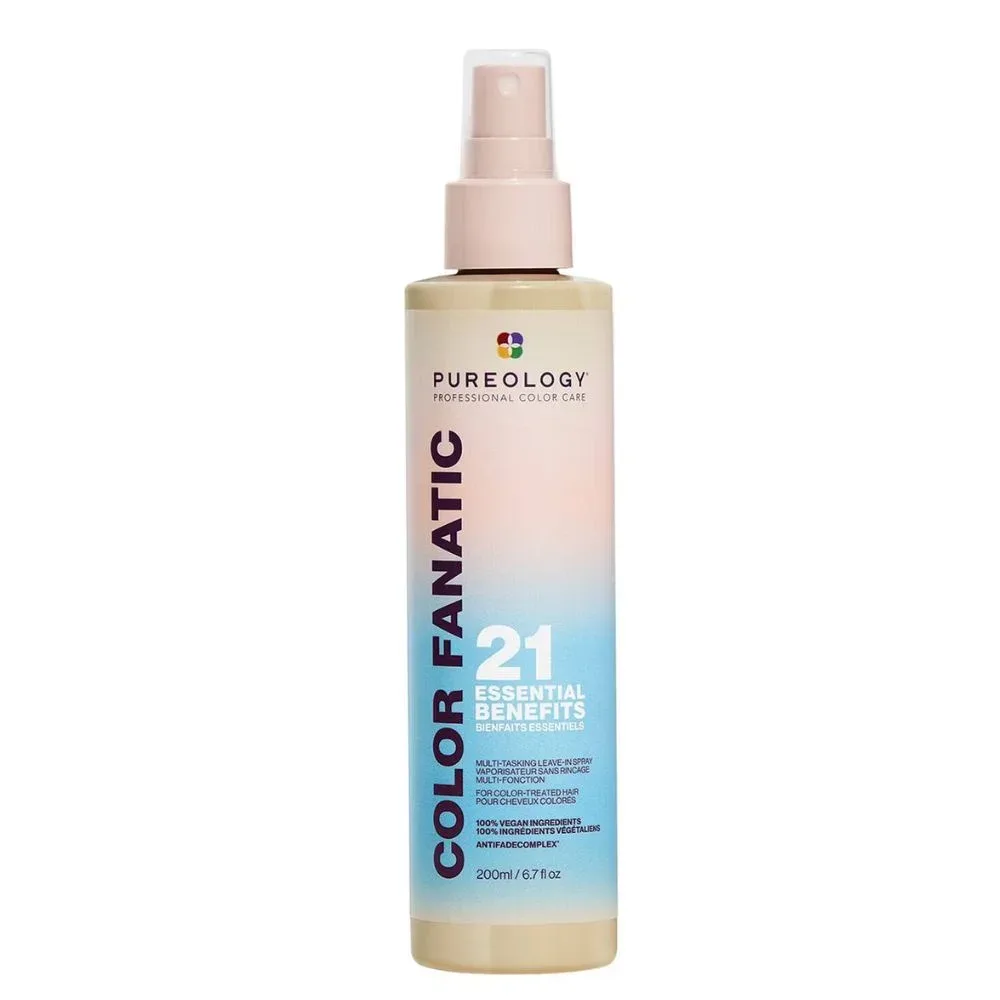
leave-in spray
Pureology Colour Fanatic
Best For Blow-drying and silk presses
Key Ingredients : Dimethicone, Amodimethicone
Form a heat-stable coating that reduces moisture loss and minimizes friction during styling.
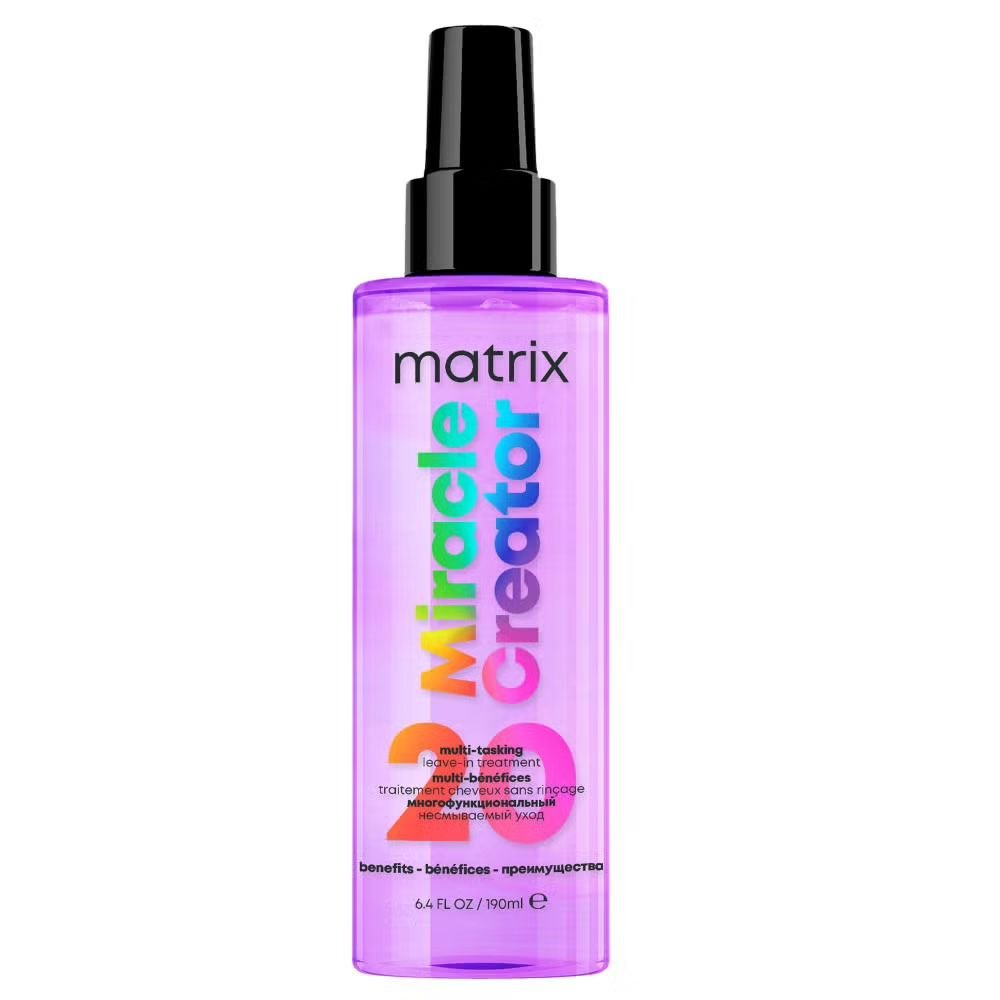
leave-in spray
Matrix Miracle Creator
Best For Medium-density hair and stretched styles
Key Ingredients : Amodimethicone, Polyquaternium-37
Form a lightweight protective film that helps shield the hair from heat while supporting smoother styling.

leave-in spray
Redken One United
Best For Fine or low-density hair
Key Ingredients : Dimethicone PEG-7 Phosphate
Improves slip and forms a lightweight coating that helps the hair better tolerate heat while reducing friction.
leave-in spray
Mizani 25 Miracle Milk
Best For Lightweight moisture and low-heat styling
Key Ingredients : Behentrimonium Chloride, Guar Polymer
Smooth the cuticle and form a light coating that improves slip and reduces friction during heat styling.
Heat Protectant Sprays for Natural Hair
Heat protectant sprays work well for blow-drying and flat ironing, as they distribute evenly without adding as much weight to the hair. They’re especially suited to fine or low-density natural hair and for achieving smooth, polished results.
Things to know
- Spray formulas rely heavily on film-forming polymers and silicones to protect against heat
- Alcohol-based sprays tend to dry quickly, making them useful for lightweight heat styling
- Many sprays contain light proteins, which can be beneficial but should be monitored if hair is protein-sensitive
Note: Apply in light, even layers. Oversaturating the hair can increase drying time and lead to unnecessary heat exposure.
heat protectant spray
Kenra Blow Dry Spray
Best For Fast blow-drys
Key Ingredients: Cyclopentasiloxane, Dimethicone
Create a lightweight coating that reduces moisture loss while helping speed up drying during styling.
heat protectant spray
Mizani Style Shifter
Best For Flexible styling
Key Ingredients: Dimethicone PEG-7 Phosphate, VP/VA Copolymer
Improve slip and form a protective layer that helps reduce heat stress during styling.
heat protectant spray
CHI Iron Guard
Best For Lightweight Heat Protection
Key Ingredients : SPS Polymer, Hydrolyzed Proteins
Reduces heat stress while hydrolyzed proteins help strengthen the hair during styling.
heat protectant spray
K18 Heat Bounce
Best For Heat & color-treated hair
Key Ingredients : K18 Peptide, Barley Protein
Helps protect against heat damage while supporting protein stability and reducing breakage during heat styling.
Heat Protectant Serums for Silk Presses and Blowouts
Heat protectant serums are typically silicone-based and designed to coat the hair evenly, making them ideal for silk presses and smooth blowouts. They help reduce friction from hot tools, minimize moisture loss, and enhance shine without heavy product layering.
Things to know
- Serums rely primarily on heat-stable silicones for protection
- A small amount goes a long way. Overapplication can weigh hair down.
- Best applied to dry or nearly dry hair before flat ironing
Note: Use sparingly. One to two drops is usually enough to protect the hair without weighing it down, especially for for fine or low-density hair.
SERUM
Design Essentials Serum
Best For Silk presses
Key Ingredients : Cyclopentasiloxane, Dimethicone
Form a protective coating that reduces moisture loss and helps protect the hair during high-heat styling.
SERUM
amika Superfruit Star
Best For Lightweight shine
Key Ingredients : Dimethicone, Trisiloxane
Create a lightweight coating that reduces moisture loss while improving shine and smoothness during styling.
SERUM
BioSilk Silk Therapy
Best For Shine and frizz control
Key Ingredients : Dimethiconol, Cyclopentasiloxane
Create a lightweight coating that improves slip and shine while reducing moisture loss during styling.
SERUM
CHI Silk Infusion
Best For Smoothing & strengthening
Key Ingredients : Dimethiconol, Hydrolyzed Proteins
Form a protective coating while supporting strength and helping reduce breakage during heat styling.
Heat Protectant Creams for Thick or High-Porosity Hair
Heat protectant creams offer more conditioning than sprays or serums, making them better suited for thick, coarse, or high-porosity hair. They help seal in moisture while forming a protective barrier during blow-drying and heat styling.
Things to know
- Cream formulas provide more slip and moisture but can feel heavy on fine hair
- Best used for blow-drying before flat ironing, not on dry hair alone
- A small amount goes a long way, especially on stretched hair
Note: Apply on damp hair before blow-drying. For flat ironing, follow with a lightweight serum or spray to avoid product buildup.
CREAM
OLAPLEX No.6
Best For Breakage-prone hair
Key Ingredients : Dimethicone, Amodimethicone
Form a protective coating that reduces moisture loss and protects against heat damage.
CREAM
Briogeo Farewell Frizz
Best For Thick or high-porosity hair
Key Ingredients : Polyquaternium-37, Polyquaternium-10
Coat the hair to reduce friction and improve manageability during heat styling.
How to Choose a Heat Protectant for 4C Hair
Choosing a heat protectant for 4C hair comes down to more than curl pattern. These same considerations apply across 4A, 4B, and 4C hair. Density, porosity, strand thickness, and styling method all influence which formula works best. Fine or low-density strands may benefit from lightweight sprays or serums, while thicker or high-porosity hair may prefer the added conditioning of a cream.
How you use heat matters just as much as the product you choose. Keep temperatures moderate, minimize passes, and start with well-moisturized hair. Used correctly, a heat protectant can help reduce damage while making stretched, blow-dried, and straight styles easier to manage.
FAQs About Natural Hair Heat Protectants
Yes. Heat protectants help reduce moisture loss and structural damage by slowing heat transfer from styling tools to the hair. Even occasional heat styling can weaken natural hair over time without protection.
The best heat protectant for 4C hair depends on hair density, porosity, and styling method. Fine or low-density hair may benefit from lightweight sprays or serums, while thicker or high-porosity strands may prefer the added conditioning of a cream. For silk presses or flat ironing, a lightweight serum or spray can provide additional protection without heavy product layering.
Natural oils can add shine and reduce friction, but they do not offer reliable protection at straightening temperatures. For heat styling, products formulated with heat-stable, film-forming ingredients provide more effective protection. Some newer products, such as K18 Molecular Repair Hair Oil and Olaplex No.7 Bonding Oil, are specifically designed to provide heat protection, but this comes from the overall formulation rather than the oil format alone.
Silicones are not inherently damaging. In heat protectants, they play an important role in forming a protective film that helps reduce moisture loss and friction during heat styling. When hair is worn in stretched or straight styles, silicones can actually be beneficial due to their film-forming properties, which help keep hair smooth and moisturized. Regular cleansing helps prevent buildup and ensures silicones perform as intended.
Layering can be helpful when done intentionally, such as a leave-in with heat protection followed by a lightweight serum. Using too many products can increase drying time and lead to unnecessary heat exposure.
There is no completely “safe” frequency, but limiting heat use, using proper protection, and keeping temperatures moderate can significantly reduce damage. The more frequently you use high heat, the greater the potential for cumulative damage, so giving your hair time between heat-styling sessions can help reduce repeated exposure.
There is no fully natural ingredient that can reliably protect hair at straightening temperatures. Effective heat protectants typically rely on heat-stable, film-forming ingredients, such as silicones or polymers, to reduce moisture loss and heat stress. Products that combine these ingredients with conditioning agents can provide effective protection for natural hair during heat styling.
Natural oils and butters can help improve slip and shine, but they are not reliable substitutes for a formulated heat protectant. Oils alone do not consistently protect hair from damage at high temperatures. For blow-drying or flat ironing, a product specifically designed for heat protection is the more reliable option.
The most effective way to reduce heat damage is through technique rather than relying on natural ingredients alone. This includes starting with well-moisturized, using moderate temperatures, limiting the number of heat passes, and spacing out heat styling sessions. When heat is used, pairing good technique with a proper heat protectant provides the best protection.
Sources:
- Robbins, C.R. Chemical and Physical Behavior of Human Hair. 5th ed. Springer, 2012. View source
- Wortmann, F.J., Wortmann, G., and Popescu, C. “Kinetics of the Changes Imparted to the Main Structural Components of Human Hair by Thermal Treatment.” Thermochimica Acta, 2018. View source
- Zhou, Y., Rigoletto, R., Koelmel, D., Zhang, G., Gillece, T.W., Foltis, L., and Moore, D.J. “The Effect of Various Cosmetic Pretreatments on Protecting Hair from Thermal Damage by Hot Flat Ironing.” Journal of Cosmetic Science, 2011. View source
- Lima, C.R.R.C., Bandeira, A.C.C., Martins, T.S., Otubo, L., and Oliveira, C.L.P. “Thermal Induced Changes in Cuticle and Cortex to Chemically Treated Hair.” Biopolymers, 2026. View source