Share This Article
This post may contain affiliate links and we may get paid a small commission if you click on a link.
Please read our privacy policy and cookie policy.
Fine natural hair is far more common than most people realise, particularly among Type 4 naturals. Many of us have dense volume or tightly coiled textures, so it’s easy to assume our strands are strong by default. But strand thickness and hair density are not the same thing, and confusing the two often leads to unexpected breakage.
You might stay consistent with your hair routine yet still notice see-through ends or experience breakage despite doing all the right things. If that sounds familiar, you may have fine natural hair. I didn’t realise my own hair was fine until I started paying closer attention to how my strands responded to styling, tension, and products.
In this post, we’ll break down how to tell if your hair is truly fine, why it tends to break easily, and how to strengthen fine natural hair for better length retention over time.
Why Fine Natural Hair Isn’t Weak : It Just Needs Strategy
Fine natural hair is often labelled as weak because it breaks more easily than thicker strands, but that assumption misses the real issue. Fine hair is simply more delicate by nature.
The problem usually starts when fine strands are treated like medium or coarse hair. Heavy products, high-tension styles, and aggressive handling can overwhelm the strands, leading to breakage over time.
Strengthening fine natural hair isn’t about forcing it into trends or copying routines. It’s about understanding how your hair behaves and building a strategy around that. The focus shifts from doing more to doing what actually works for your strands.
I’ll be honest, I’ve spent years binge-watching natural hair videos, trying new products, and wondering why certain routines worked for others but not for me. What changed was learning to observe how my hair responds to different products, routines, and styles.
Inspiration from natural hair influencers can be helpful, but it should be a starting point, not the final answer. Fine natural hair can thrive, it requires intention, patience, and a strategy designed for its needs.
How to Tell if You Have Fine Hair vs Thin Hair
Before adjusting your routine, it’s important to understand whether your hair is fine, thin, or thinning. These terms are often used interchangeably, but they describe very different characteristics. For women with Type 4 hair, the distinction is easy to miss because coils, shrinkage, and styling volume can disguise what’s happening at the strand level.
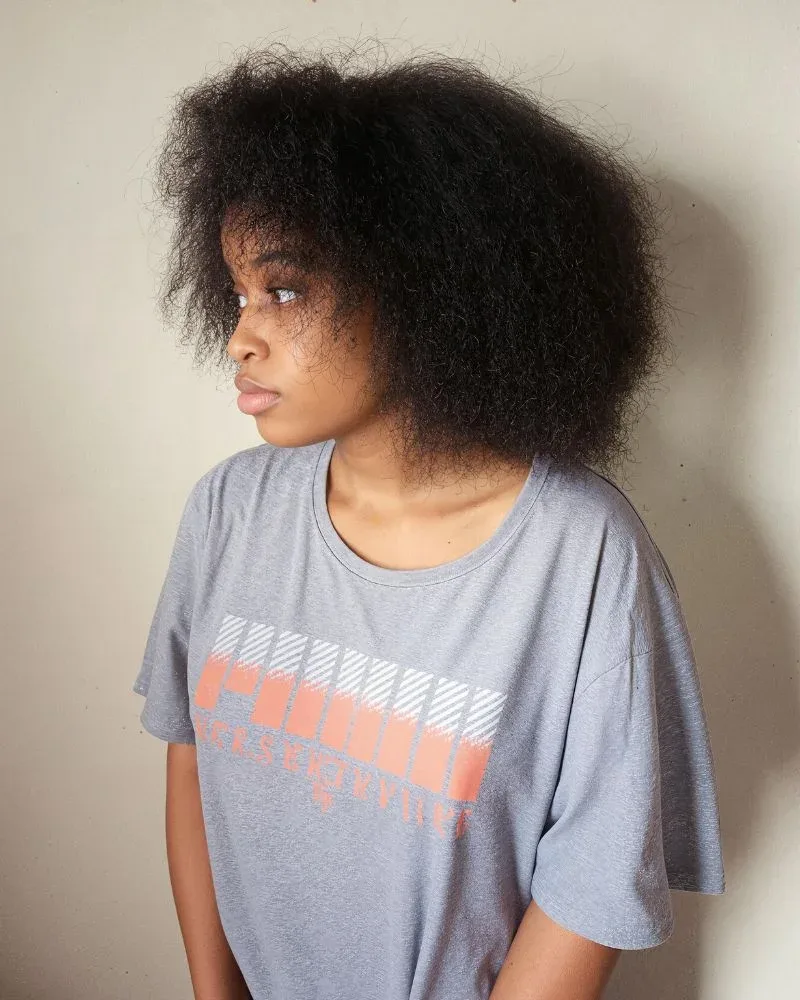
Fine hair refers to the diameter of each individual strand. If your hair is fine, each strand is smaller in width, regardless of how much hair you have. Many women with fine natural hair don’t realise it because dense coils can create the appearance of thickness, even when the strands themselves are delicate.
Thin hair, on the other hand, refers to density, meaning how many strands are growing on your scalp. Fewer strands overall can make the scalp more visible, particularly around the part, crown, or edges.
You can have fine hair with high density, where hair looks full but breaks easily, or coarse strands with low density, where hair appears thin despite each strand being strong.
Dermatological research shows that hair strand diameter and density are two separate characteristics. Strand thickness is largely genetically determined, while density refers to the number of hair fibres growing per square centimetre of the scalp.
Signs You May Have Fine Natural Hair
- Individual strands are difficult to feel between your fingers
- Hair snaps or breaks easily during detangling, even when moisturised
- Styles look full initially but lose definition or longevity quickly
- Hair performs best with lightweight products and becomes weighed down easily
- Breakage appears as short pieces rather than full strands with a white bulb at the end
Because Type 4 hair naturally shrinks and coils, fine strands can go unnoticed until breakage becomes consistent.
Signs You May Have Thin Natural Hair
- The scalp is more visible along the part or hairline
- Ponytails or buns feel smaller than they used to
- You can wrap a hair tie around your ponytail more times than before
- Styles appear sparse even when freshly done
Thin hair refers to density, not strand strength, and can occur with fine, medium, or coarse strands. If you notice sudden changes in density, increased shedding, or widening parts over time, this may indicate thinning rather than your natural hair type and could require professional advice.
The Main Causes of Breakage in Fine Natural Hair
Fine natural hair is more delicate than thicker strands, which means everyday handling plays a bigger role in breakage than many people realise. Often, it’s not one big mistake but a build-up of small habits that weaken strands over time.
If your hair still breaks despite a consistent routine, it’s often down to everyday habits you may not realise are causing damage.
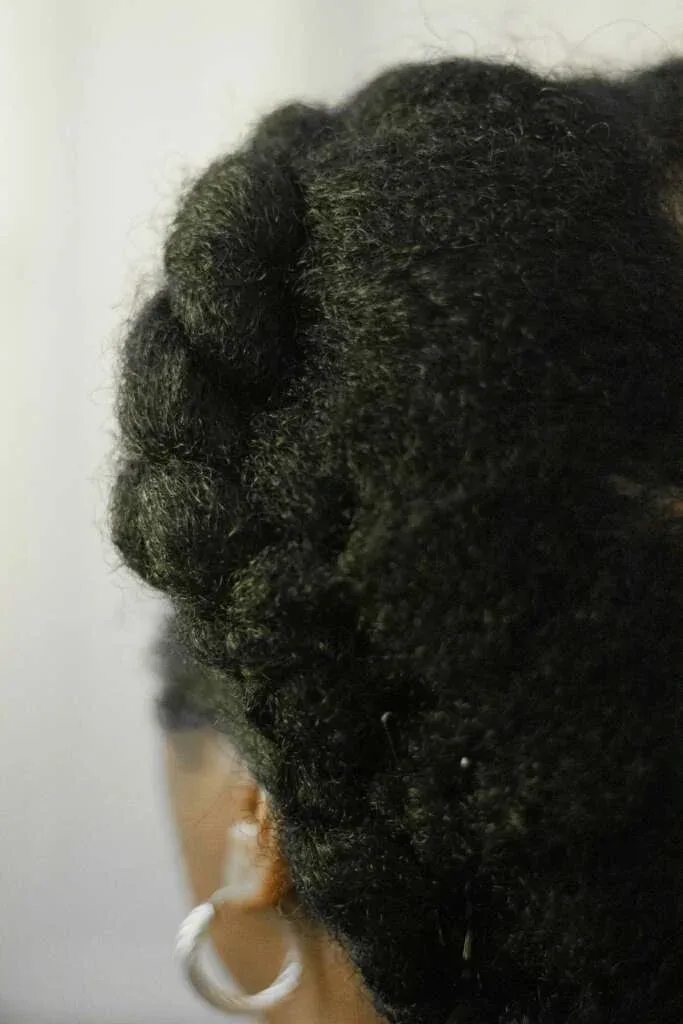
Mechanical Stress from Styling and Detangling
For fine hair, how you handle your strands matters just as much as what products you use. Rushing through detangling, working in large sections, or being heavy-handed with brushes and combs can cause strands to snap rather than stretch.
If you notice short pieces of hair in the sink or on your hands after detangling, it’s a sign mechanical stress is taking its toll. Slowing down, working in smaller sections, and using products with enough slip can significantly reduce breakage.
Blow Drying and Heat Misuse
Stretching the hair can help, but the tools and timing matter. If you hear snapping or crackling while blow-drying, that’s not normal, it’s your hair breaking.
Using round brushes on soaking wet hair can be damaging for fine strands. Start with a blow dryer and comb attachment or a paddle brush to stretch the hair first. If you follow up with a round brush, wait until your hair is around 70–80% dry, as hair is weakest when wet.
Heat styling isn’t forbidden, but repeated passes or excessive temperatures can weaken strands over time. Limit straightening to one controlled pass and use a heat protectant to minimise damage. Sprays work well before blow-drying and serums before flat ironing.
Friction from Daily Contact
Friction is one of the most overlooked causes of breakage. Constant rubbing from towels, pillowcases, scarves, coat collars, or even seat belts can wear down delicate strands over time. Switching to microfibre towels or soft cotton T-shirts, and being mindful of what your hair comes into contact with, can support better length retention.
Product Overload and Buildup
Fine natural hair often struggles with heavy layering, even when the products themselves are considered good. Creams, butters, oils, and gels can build up on the hair, leaving it coated, stiff, or weighed down.
If your hair feels moisturised but still snaps easily, or looks dull despite using multiple products, buildup may be the issue. Residue increases friction during detangling and styling, making strands more likely to break instead of bend.
This is common when following routines designed for thicker hair textures. Fine hair responds better to lighter products and minimal layering. One of the most common mistakes naturals make is using too much product. Even lightweight formulas can cause buildup when applied too generously.
Single Strand Knots
Single strand knots are common in Type 4 hair due to tight coils wrapping around themselves, mainly at the ends. Once a knot forms, that section is already compromised and more likely to break. Holding onto knots in the hope of preserving length often leads to breakage higher up the strand. Trimming them as they appear can support healthier length retention.
Other contributors to breakage in fine natural hair can include:
- Frequent manipulation from constantly changing styles
- Protein imbalance, where hair becomes overly soft or overly brittle
- Chemical processing such as relaxers, colour, or texturisers, which reduce strand strength.
Studies on curly and coily hair fibres show that bends along the shaft create natural weak points. Fine strands are more vulnerable to mechanical stress from styling, tension, and friction, which helps explain why breakage can occur even with consistent care.
Strengthening Strategies for Fine Natural Hair:
Fine natural hair is more delicate than coarser strands but is fully capable of strength and length retention with the right care. The focus should be on reinforcing the strand while minimising unnecessary stress.
Protein Balance
Protein can benefit fine hair when used correctly. Because hair is primarily made of protein, fine strands respond well to regular, moderate treatments rather than occasional heavy ones.
Instead of waiting until the hair feels severely damaged, incorporate light protein treatments every couple of weeks as part of your deep conditioning routine. If needed, follow with a moisturising conditioner to maintain balance.
Scalp Health
Healthy hair starts with a healthy scalp. Fine natural hair is more prone to buildup, which can interfere with scalp function over time. Regular cleansing and occasional scalp treatments help keep the scalp clear and balanced.
Lightweight scalp serums can support moisture and maintain a healthy scalp environment, which may also benefit hair density.
Lightweight, Ingredient-Focused Products
Fine hair responds best to lightweight products that absorb into the strand rather than sitting on top. Heavy creams and butters can lead to buildup, increasing friction and breakage.
Understanding what’s in your products helps you choose formulas that support strength without overwhelming fine strands. You can explore this further in our Ingredient Decoder.
Bond Treatments
Bond treatments can support hair that has experienced heat, colour, or mechanical stress by reinforcing internal bonds within the fibre.
When choosing a bond treatment, look for options that are scientifically tested or patented and use them as directed. They can support strength without replacing protein or moisture treatments.
Editor’s Picks for Fine Natural Hair
These lightweight products were selected with fine natural hair in mind, with a focus on minimising buildup, reducing friction, and supporting strand strength without overwhelming delicate hair.
Lightweight Leave-Ins
Fine hair responds best to lightweight leave-ins that provide moisture and slip without heavy buildup.
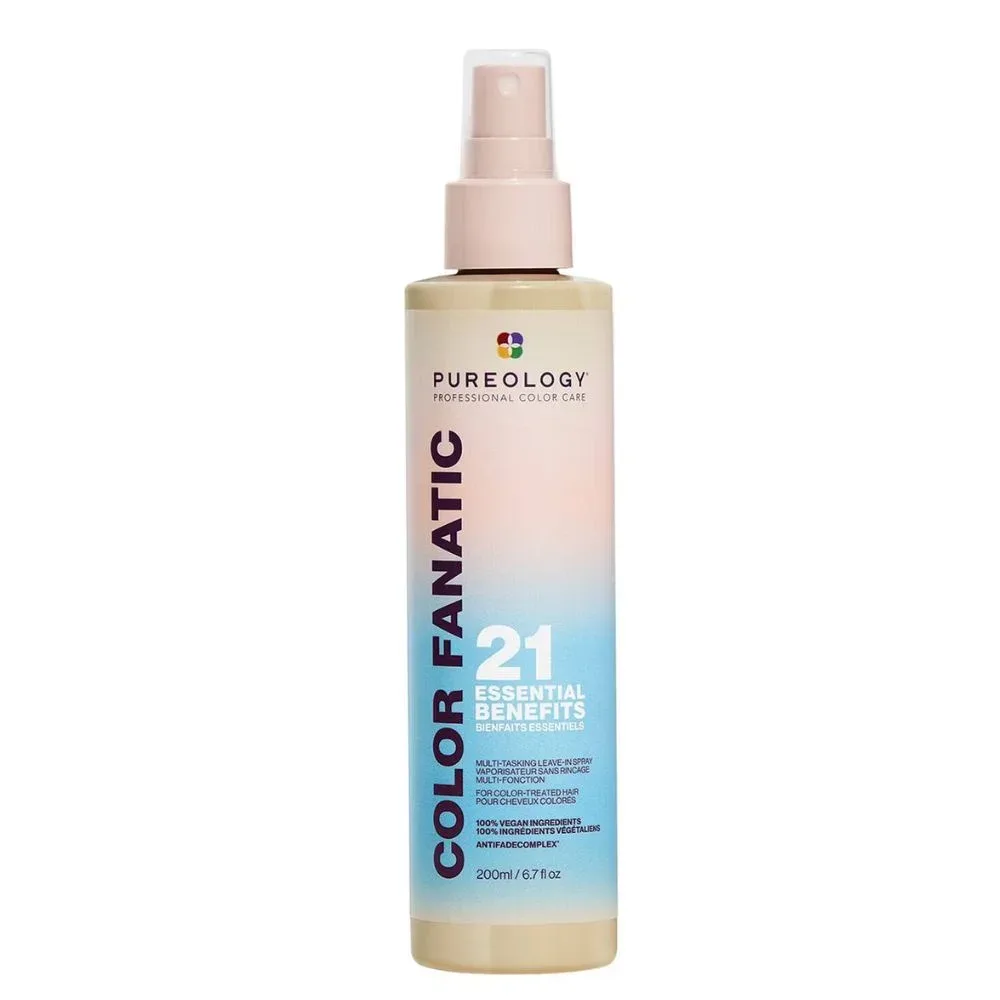
Lightweight Hydration
Pureology Color Fanatic
Best For Fine natural hair prone to dryness and tangling
Why It Works : A lightweight spray leave-in that helps improve slip and softness without heavy buildup.
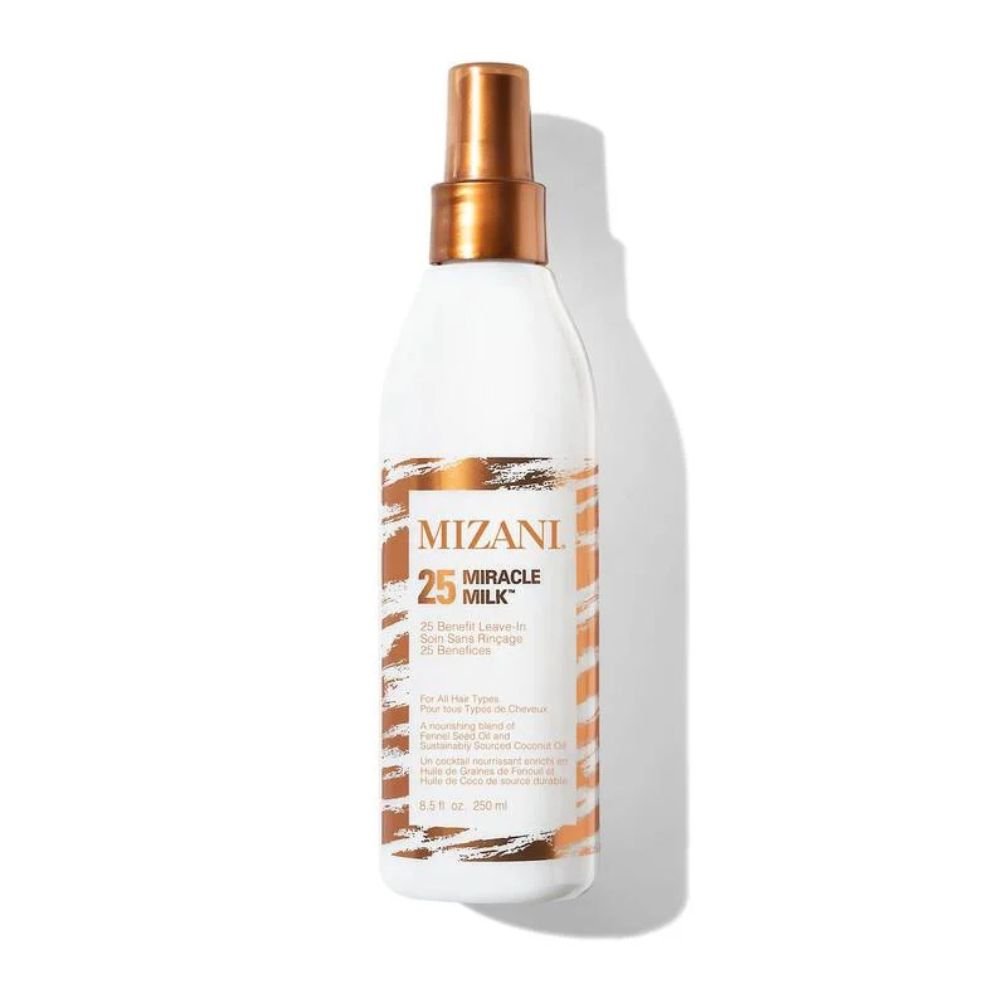
Multi-Benefit Leave-In
Mizani 25 Miracle Milk
Best For Fine Type 4 hair needing lightweight moisture
Why It Works : Provides moisture and softness while remaining lighter than cream-based leave-ins.
Lightweight Oils
Lightweight oils can help smooth the hair and reduce friction without heavily coating the strands.
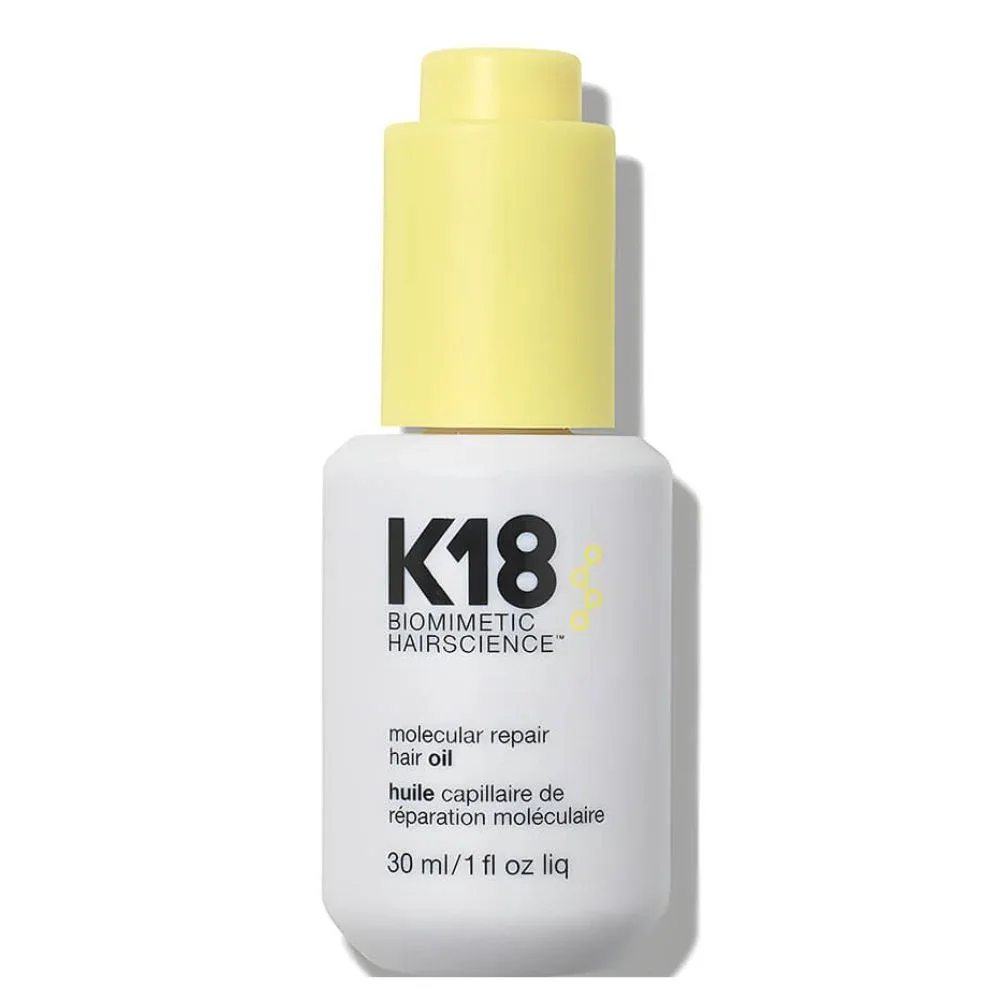
Lightweight REPAIR
K18 Hair Oil
Best For Fine hair affected by heat or styling damage
Why It Works : A lightweight oil-serum hybrid that smooths frizz without weighing strands down.
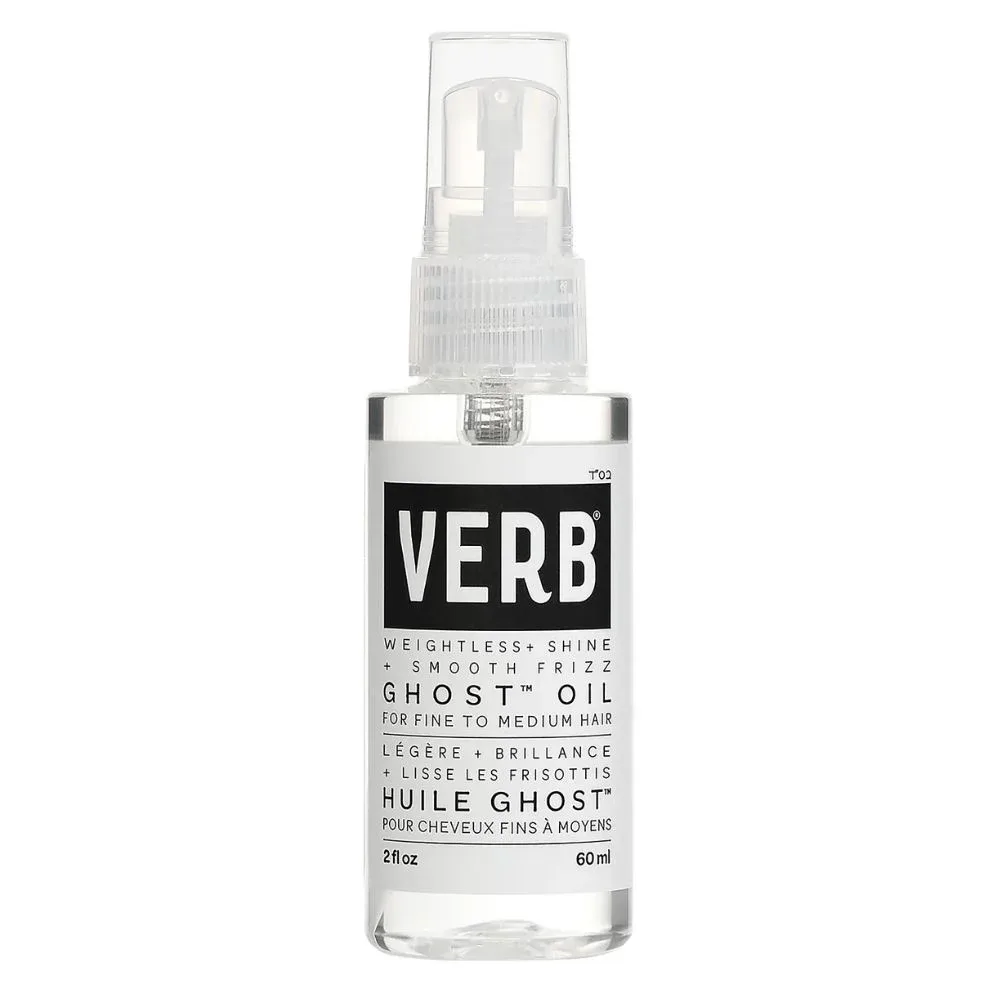
minimal buildup
Verb Ghost Oil
Best For Fine natural hair that becomes weighed down easily
Why It Works : A lightweight smoothing oil that softens the hair without heavy residue buildup.
Bond Treatments
Bond treatments can support hair that has experienced heat, colour, or mechanical stress.
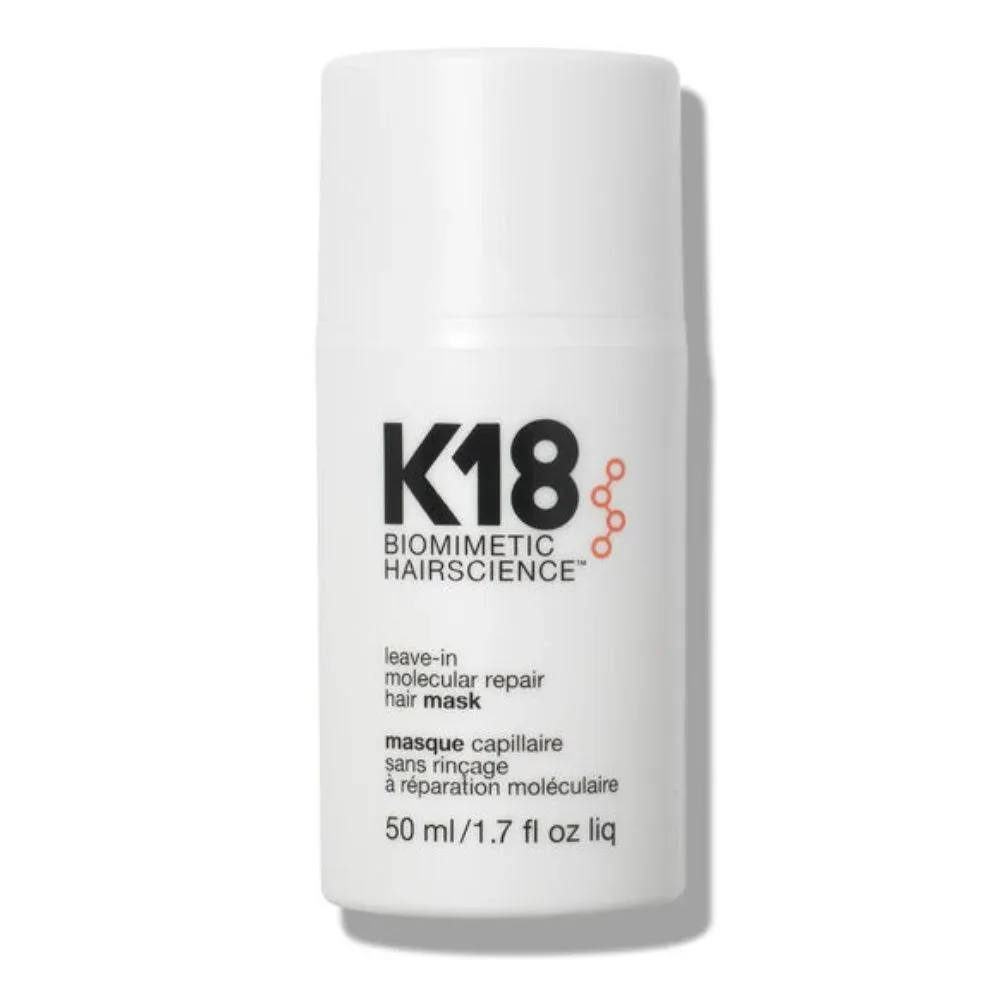
Bond Repair
K18 Repair Mask
Best For Fine hair weakened by heat or colour damage
Why It Works : Uses peptide technology to support weakened areas within the hair fibre.
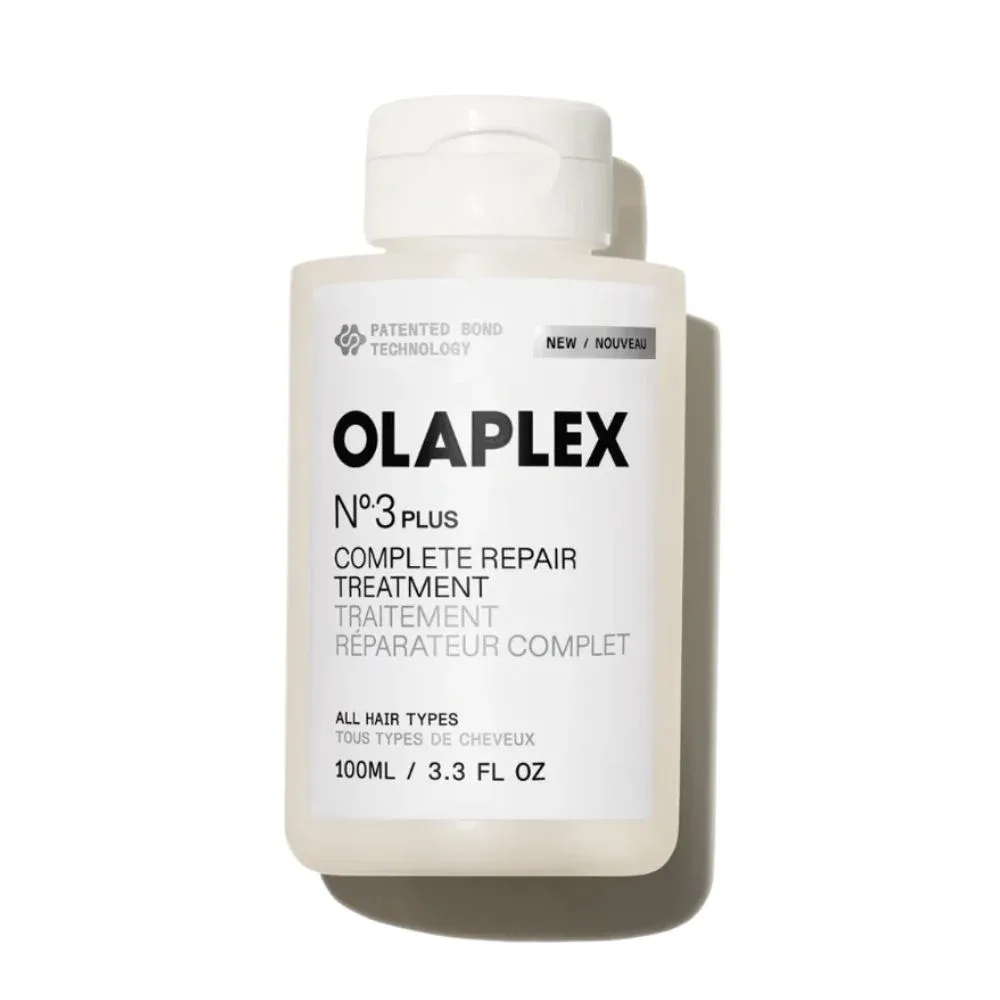
STRENGTH SUPPORT
Olaplex No 3 Plus
Best For Fine hair weakened by styling or chemical processing
Why It Works : Designed to reinforce damaged bonds while supporting overall hair strength.
Lightweight Heat Protectants
Lightweight heat protectants help reduce heat damage without weighing fine strands down.

Lightweight Heat Protection
Kenra Blow-Dry Spray
Best For Fine natural hair exposed to regular blow-drying
Why It Works : Provides lightweight heat protection while helping reduce friction during blow-drying.
Heat Styling Support
CHI 44 Iron Guard
Best For Fine natural hair exposed to flat irons and heat
Why It Works : A lightweight thermal spray that helps reduce heat damage without heavy buildup.
Protective Style Tips for Fine Hair (Low Tension)
What works for thicker strands doesn’t always translate to fine natural hair, especially when added weight and tension are involved. The issue isn’t the style itself, it’s how it’s worn. This doesn’t mean you can’t wear protective styles, it means being more intentional about how often you install them, how long you keep them in, and how much tension your hair is exposed to.
Be Mindful of Added Weight and Tension
Styles that rely on added hair, such as long braids or bulky twists, can place excessive tension on fine strands. Choosing shorter lengths, lighter extensions, or smaller braid sizes can help reduce stress on the hair and scalp. As a general guide:
- Opt for shoulder-length styles instead of waist-length
- Limit braid installs to around six weeks
- Allow a break between installs before redoing the style
Sew-Ins and Extension Styles
If you wear sew-ins, choosing textures that closely match your natural hair can reduce daily manipulation. Using a protective net helps distribute tension more evenly, and cleansing your scalp while the style is installed supports scalp health.
Low-Manipulation, Low-Tension Options
Styles that don’t require added hair are often the safest option for fine strands. Cornrows, flat twists, mini twists, and stretched tuck-away styles offer protection without additional weight.
Crochet styles can also be a lower-tension alternative, as the hair is attached to cornrows rather than individual strands, reducing stress on the hairline and roots.
Final Thoughts
Fine natural hair isn’t fragile because it’s flawed. It’s delicate because of how it’s built. Once you understand that, everything changes. Breakage becomes easier to manage, routines become more intentional, and progress feels more realistic.
You don’t need to do everything at once. Focus on gentle handling, balanced strengthening, and low-tension care, and give your hair time to respond. With consistency and the right strategy, fine natural hair can thrive.
FAQs About Fine Natural Hair
Yes, fine natural hair can grow long. The challenge is usually length retention rather than growth. Because fine strands are more delicate, they are more prone to breakage. Focusing on gentle handling, balanced strengthening treatments, and low-tension styling can help you grow fine hair longer over time.
No. Protective styles can still be beneficial, but fine natural hair responds best to low-tension options. Styles that are too heavy or installed too tightly can cause more harm than good. Limiting long-term installs and choosing lighter styles can help reduce breakage and support healthier length retention.
Washing frequency depends on your scalp, but fine natural hair often benefits from regular cleansing to reduce buildup and maintain a healthy scalp environment.
The best products for fine natural hair are lightweight formulas that provide moisture and slip without causing buildup. Heavy creams and oils can weigh the hair down, so lightweight leave-ins, oils, and targeted treatments often work best. You can explore our Editor’s Picks section above for recommended products.
Sources:
- Franbourg, A., Hallegot, P., Baltenneck, F., Toutain, C., Leroy, F. “Current Research on Ethnic Hair.” Journal of the American Academy of Dermatology.
- Robbins, C.R. Chemical and Physical Behavior of Human Hair. 5th ed. Springer.
- “African Hair Growth Parameters.” International Journal of Dermatology.