

Share This Article
This post may contain affiliate links and we may get paid a small commission if you click on a link.
Please read our privacy policy and cookie policy.
Moisture is often seen as the foundation of healthy hair, but protein is usually overlooked. Type 4 hair is fine, tightly coiled, and prone to tangling and breakage especially when exposed to heat, colour, or chemical treatments. This is why choosing the right natural hair protein treatment for 4C hair can make a real difference.
Protein treatments are just as important as moisture for maintaining strong, healthy strands. Moisture keeps the hair flexible, while protein supports the structure of the strand. The key is balance, as too much of either can cause issues.
In this post, we’ll break down why Type 4 hair needs protein, how protein treatments work, and the best options to help strengthen fragile strands and reduce breakage.
Why Type 4 Hair Needs Protein (4A, 4B & 4C Explained)
4A, 4B, and 4C textures share a tightly coiled structure, which makes them more prone to dryness, tangling, and breakage. As the hair coils around itself, natural oils struggle to travel down the hair shaft, leaving strands more vulnerable. Incorporating protein treatments into your routine helps reinforce weak areas and improve overall hair resilience.
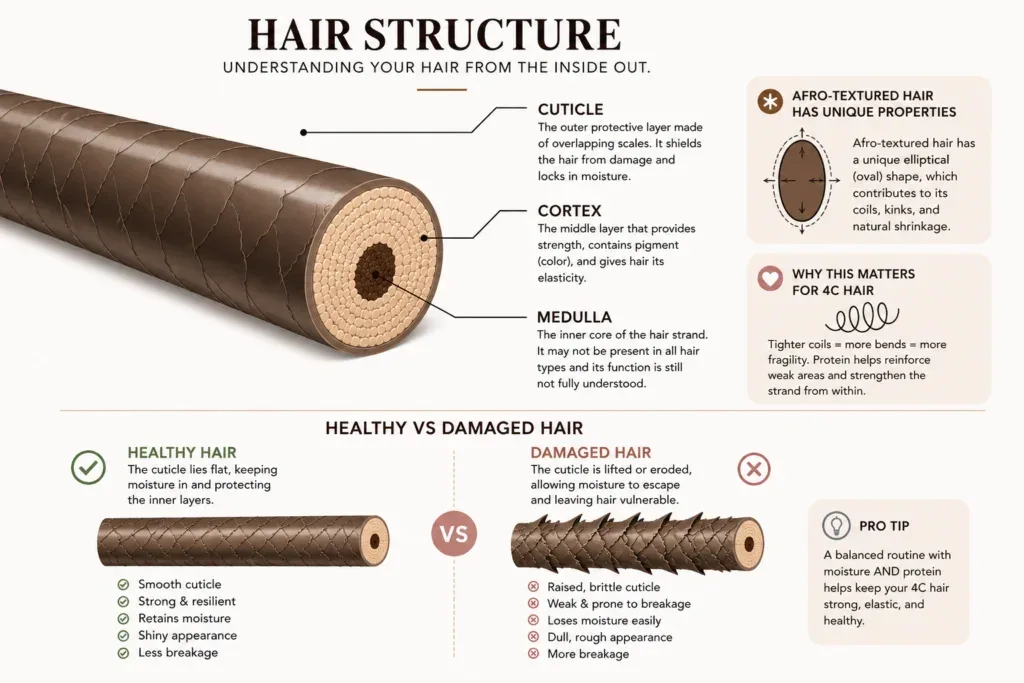
While all Type 4 textures benefit from protein, 4C hair typically requires more targeted strengthening due to its tighter coil pattern, increased shrinkage, and higher number of bend points along the strand. These bend points create natural stress areas where breakage is more likely, which is why using a protein treatment for 4C hair is particularly important.
If you regularly use heat tools, colour, or wear protective styles, you may notice changes in how your hair behaves, such as reduced curl definition, excessive softness, or increased breakage. This happens because heat and chemical processes weaken the protein structure of the hair shaft.
Using a protein treatment for 4A, 4B, and 4C hair, particularly if you have fine or fragile strands, helps strengthen the hair and reduce breakage.
How protein treatments work?
Protein treatments strengthen damaged hair by replenishing the strand with proteins such as keratin and collagen. These proteins help fill in weak or compromised areas along the cuticle, reinforcing the overall structure of the hair. Think of your hair strand like a ladder with missing or broken steps, protein works by filling in those gaps and supporting the structure.
As a result, protein treatments improve elasticity and make the hair more resilient. This is why they’re often recommended before protective styles such as braids or sew-ins, where added hair can create friction and tension. Using a protein treatment beforehand helps reinforce the hair and minimise damage when removing the style.
Because these effects are temporary, choosing the right natural hair protein treatment matters.
The Best Types of Protein for Type 4 Hair
It’s important to understand that not all proteins behave the same way, and different types of protein serve different purposes. When choosing a protein treatment for 4C hair, the type of protein used can make a significant difference. For Type 4 hair more broadly, balanced or hydrolyzed proteins tend to work best because they strengthen the hair without causing excessive stiffness.
When choosing a protein treatment, these are the most effective proteins to look for on the ingredient list:
- Hydrolyzed wheat protein: Strengthens the hair while maintaining softness
- Hydrolyzed silk protein: Improves elasticity and adds shine
- Hydrolyzed keratin: Reinforces weak or damaged strands
- Amino acids: Help support repair without making the hair feel hard
Protein vs Moisture Balance, The Real Key to Length Retention
Just because your hair is made up of around 80% protein does not mean protein treatments should be used all the time. There is such a thing as protein overload, which can leave your hair feeling stiff, brittle, and more prone to snapping if overused. As a Type 4 natural, finding the right balance between moisture and protein is essential for keeping the hair both hydrated and strong.
Protein supports strength, while moisture preserves flexibility, so it’s important to prioritise hydration first and reinforce the hair with protein when needed. Choosing the right protein treatment for natural hair is just as important as how often you use it.
When Should You Use Protein for Your Hair?
If If your hair is severely damaged from heat, colour, or chemical treatments, you may need to use stronger protein treatments more regularly to reinforce weakened strands. Instead of relying on hair type alone, use hair porosity as a guide to determine how often your hair needs protein.
- Low porosity hair has tightly compacted cuticles, which makes it harder for protein to penetrate and increases the risk of buildup. For this reason, use protein treatments sparingly, around every 6 to 8 weeks, or less often if your hair is healthy and minimally manipulated.
- High porosity hair absorbs moisture quickly but loses it just as fast. Because the cuticle is more raised or damaged, it benefits from more regular protein use to reinforce weak areas. In most cases, using protein every 3 to 4 weeks works well, with more frequent use reserved for heat or colour-damaged hair.
Other factors also affect how often you should use protein, including having fine strands or using heat frequently. In these cases, you may need to use protein treatments more often.
At the end of the day, no one knows your hair better than you. Pay attention to how your hair responds and adjust your routine accordingly. If you’re ever concerned about using too much protein, follow up with a moisturising deep conditioner to restore balance.
How Often Should 4C Hair Use Protein?
If you are new to using protein treatments and unsure where to start, this guide can help. Use it as a baseline, then adjust based on how your hair responds over time.
When deciding how often to use a protein treatment for 4C hair, your hair condition matters more than a fixed schedule.
| Hair Condition | Protein Frequency |
| Healthy hair with low breakage | Every 4 to 6 weeks |
| Protective style wearer | Before installation, reassess after takedown |
| Heat or colour damage | Every 2 to 4 weeks (short term) |
| High porosity hair | Every 3 to 4 weeks |
| Low porosity hair | Every 6 to 8 weeks |
| Fine or low-density hair | Monthly or light protein every 3 to 4 weeks |
Use this as a guide and adjust based on how your hair responds. Overusing protein can lead to stiffness, while too little can leave the hair feeling weak.
Best Protein Treatments for 4A, 4B & 4C Hair (Ingredient Verified)
Not all products marketed as “strengthening” or “repairing” actually contain protein in meaningful amounts. Many rely on marketing buzzwords rather than functional ingredients. For this reason, it’s important to look beyond the label and check whether a product contains true strengthening ingredients, such as hydrolyzed proteins or amino acids.
The products listed below are some of the best natural hair protein treatments for strengthening Type 4 hair and improving elasticity and curl definition. Each option should still be assessed individually based on its ingredients and how your hair responds.
SEVERE DAMAGE
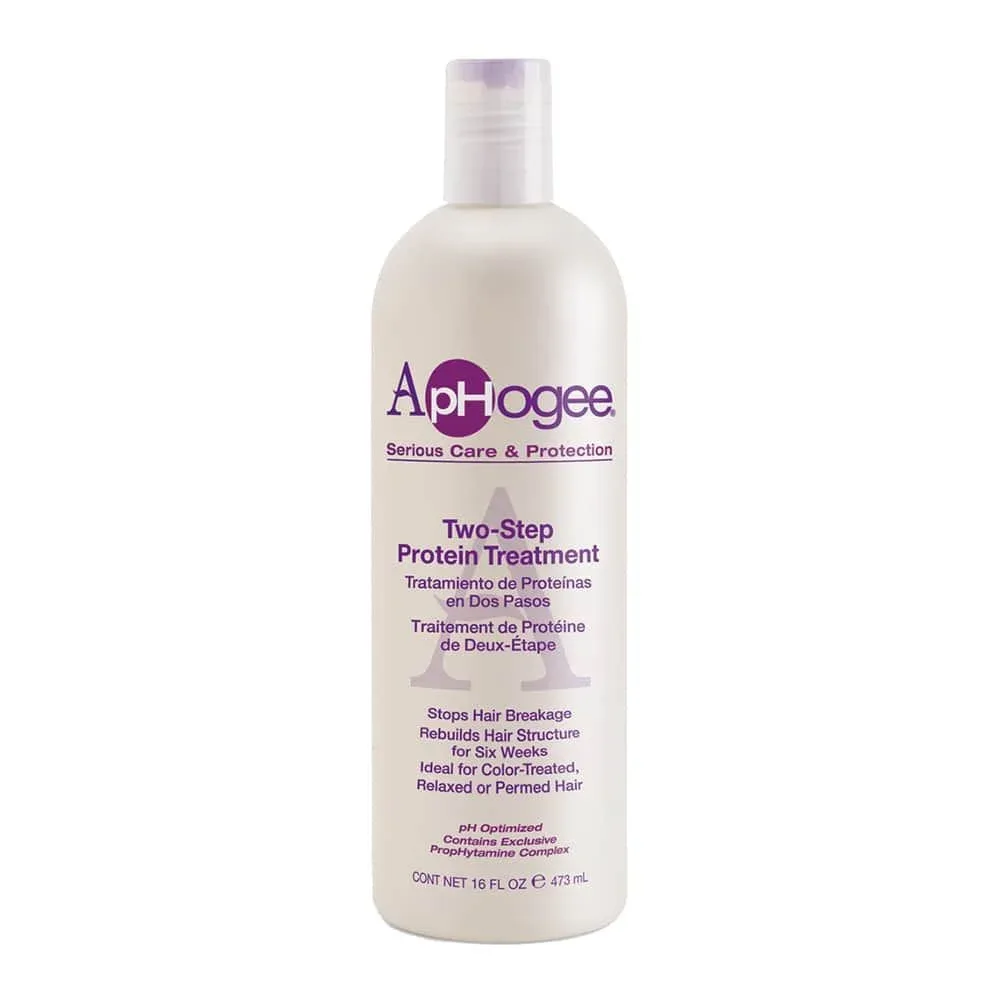
Aphogee Two-Step Protein Treatment System
Best For Severely damaged or over-processed 4C hair
Why It Works : Uses keratin amino acids, collagen, and silk protein to rebuild weak areas and restore strength
Strength & Moisture balance
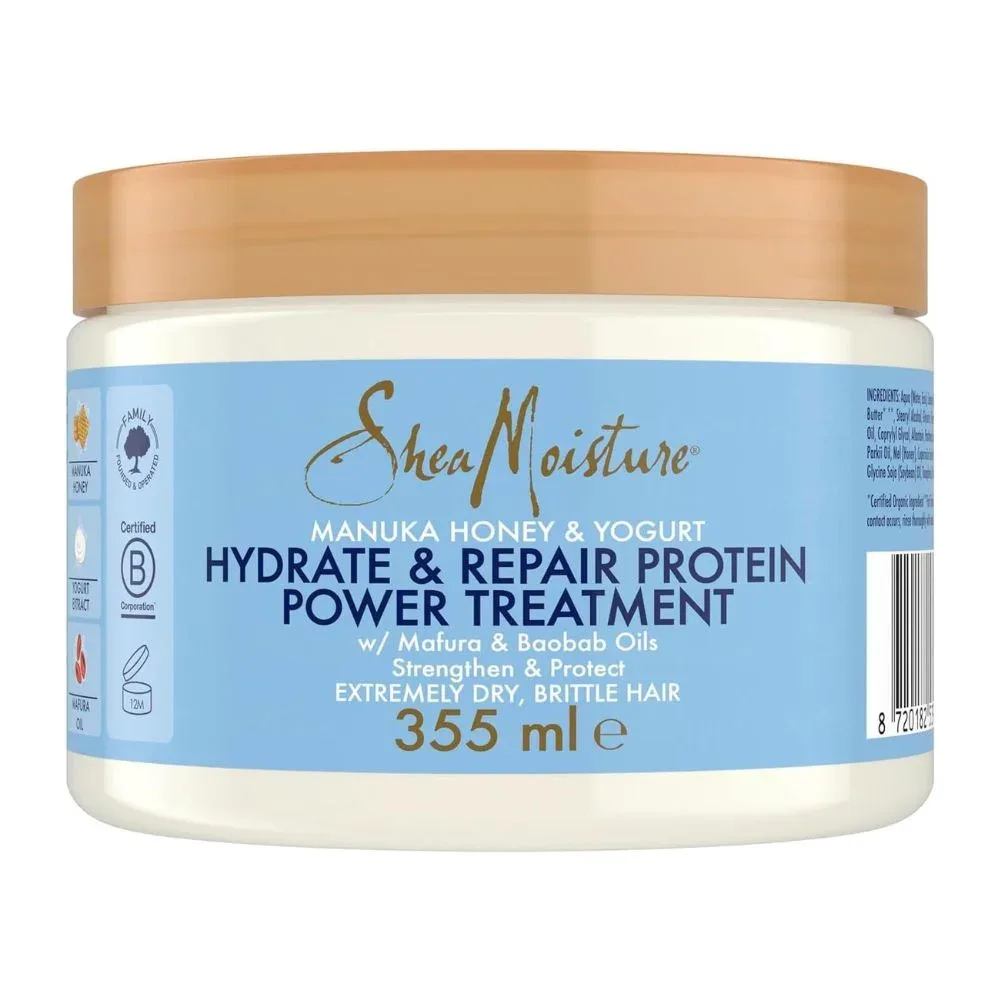
SheaMoisture Hydrate & Repair Protein Treatment
Best For Dry, fragile 4C hair needing balanced strengthening
Why It Works : Uses hydrolyzed protein and keratin to reinforce weak strands while maintaining softness
BEST OVERALL
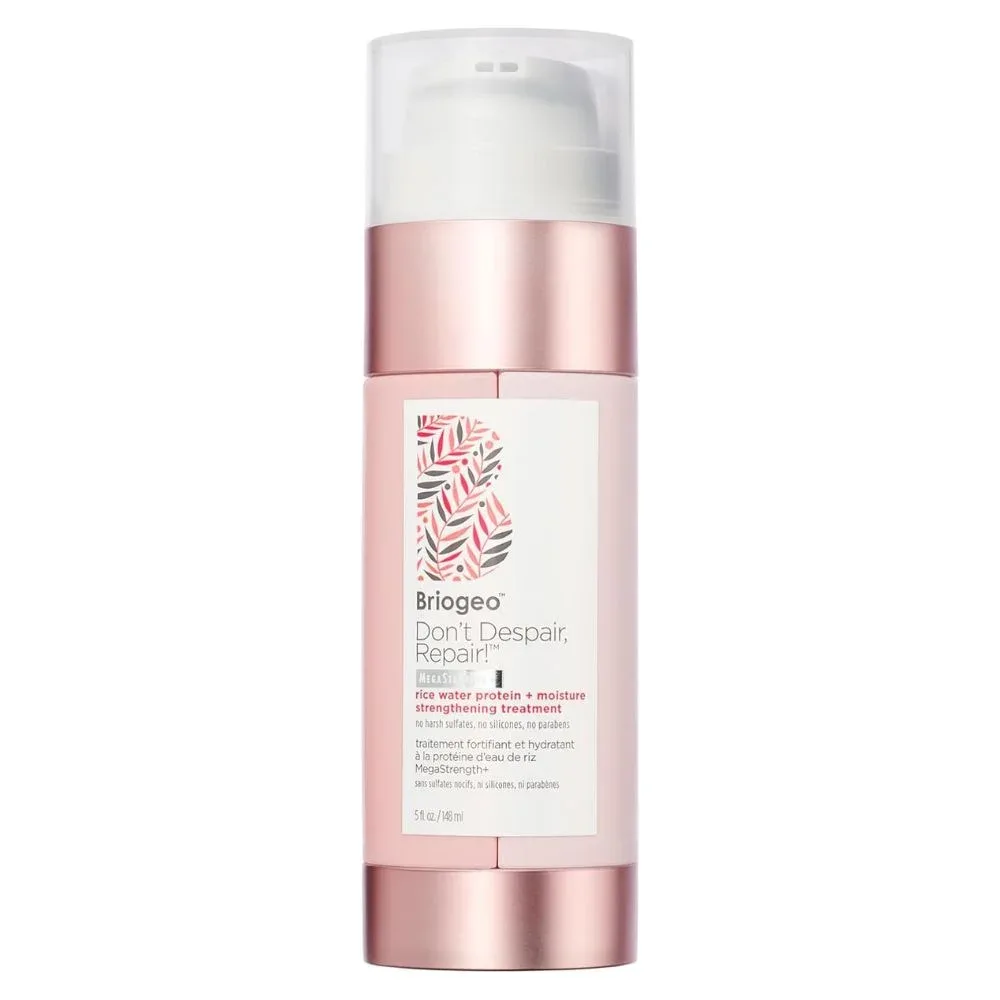
Briogeo MegaStrength+ Protein Treatment
Best For High porosity or breakage-prone Type 4 hair
Why It Works : Uses hydrolyzed rice protein and amino acids to strengthen while maintaining softness
fine or heat-damaged
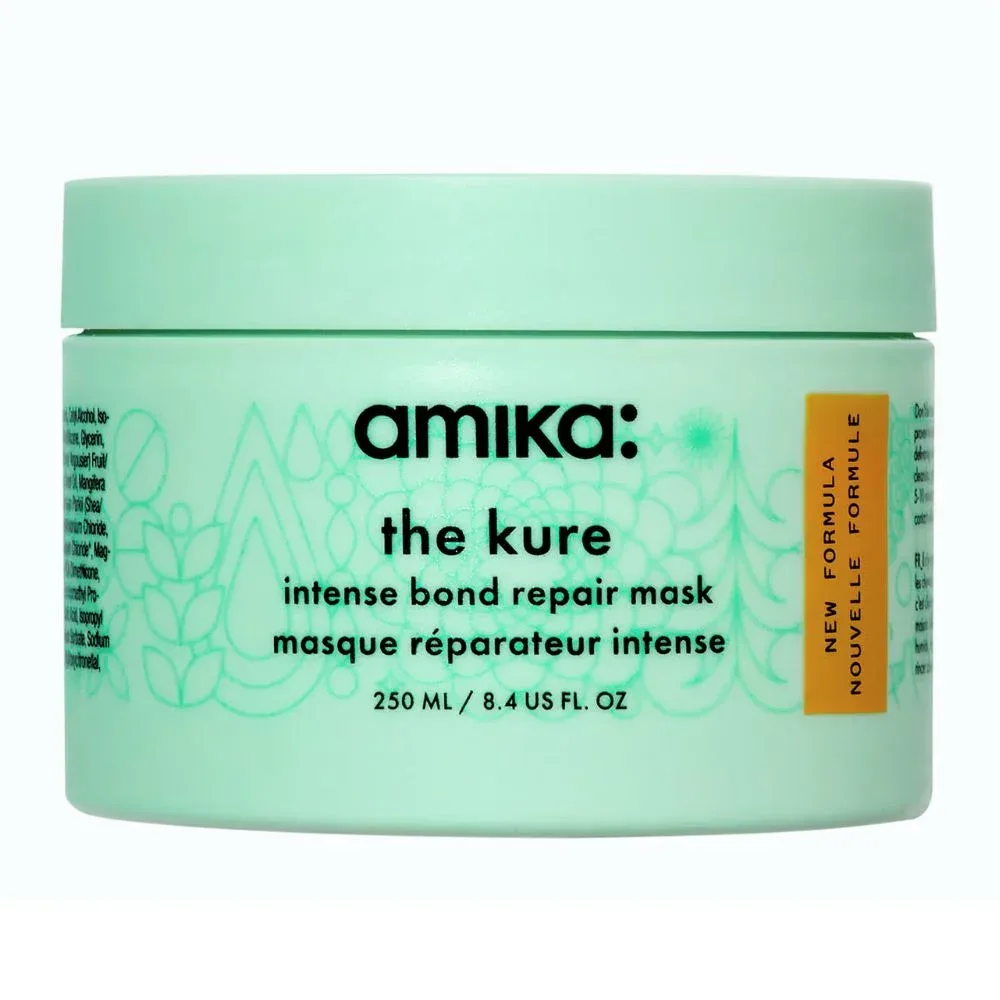
amika The Kure Intense Strength Repair Mask
Best For Fine or low-density 4C hair and heat damage
Why It Works : Uses hydrolyzed quinoa and amino acids to support strength without heavy protein buildup
DIY vs Store-Bought: Which Works Better?
Store-bought protein treatments are generally the better option because they are formulated by professionals who understand how to combine ingredients effectively and use proteins in the right concentrations. Using the correct type and amount of protein matters, as too much can easily lead to protein overload and leave the hair feeling stiff or brittle.
While DIY treatments can be tempting, especially if you enjoy mixing your own products, there is more room for error. Ingredients may not behave the same way on the hair, and it can be harder to control how much protein you are actually applying. If you choose to experiment with DIY treatments, always carry out a patch test first.
In the past, it was common to add raw eggs to conditioners as a DIY protein treatment. However, the proteins in eggs are too large to effectively penetrate the hair shaft, meaning they are unlikely to deliver the strengthening benefits people expect. For this reason, a well-formulated store-bought protein treatment is usually the safer and more effective option for strengthening Type 4 hair.
Final Thoughts
Protein treatments can be a game changer for 4C hair, and Type 4 hair more broadly especially if you are struggling with breakage, thinning ends, or excessive shedding. When incorporated thoughtfully into your routine, the right protein treatment for 4C hair can support stronger strands and help you stay on track with your natural hair goals.
The key is not to overdo it. Protein works best when paired with moisture, not used in isolation. When used correctly, protein treatments are one of the most effective tools for protecting your hair, particularly if you regularly wear protective styles, wigs, or sew-ins.
FAQs About Protein Treatments for Natural Hair
What does a protein treatment do to 4c hair?
Protein treatments help strengthen weakened areas of the hair strand and improve elasticity. While they do not permanently repair damage, they temporarily reinforce the hair shaft, making it more resilient and less prone to breakage.
Key benefits of a protein treatment for 4C hair include:
- Reduced breakage: Strengthens fragile strands to minimise splitting and snapping
- Improved elasticity: Helps hair stretch without breaking, supporting curl retention
- Better moisture retention: Reinforces the cuticle so hair can hold onto moisture more effectively
- Enhanced curl definition: Stronger strands are better able to maintain their shape
How often does 4c hair need a protein treatment?
How often you should use a protein treatment for 4C hair depends on your hair’s condition, porosity, and how you style it.
In general:
- Healthy hair: every 4 to 6 weeks
- Damaged or high porosity hair: every 3 to 4 weeks
- Severe damage: every 2 to 4 weeks (short term only)
- Low porosity hair: every 6 to 8 weeks or less
Use this as a guide and adjust based on how your hair responds. Overusing protein can leave the hair feeling stiff, while too little can lead to increased breakage.
How do you know if your Type 4 hair needs protein?
Your hair may need protein if you notice any of the following:
- Hair feels overly soft, limp, or mushy when wet
- Curls lack definition even after moisturising
- Hair snaps easily when stretched
- Breakage increases despite regular deep conditioning
If the hair feels stiff, brittle, or straw-like, this may indicate protein overload and moisture should be prioritised instead.
Tip: Rather than waiting for these signs, incorporating light protein treatments into your routine can help prevent damage before it becomes noticeable.
Which is better, keratin or protein?
This depends on your hair goals and how you wear your hair. While hair is naturally made of keratin, salon keratin treatments work differently from standard protein treatments.
Keratin treatments are designed to smooth the hair and reduce frizz by altering the hair’s structure, rather than strengthening it in the same way traditional protein treatments do. Over time, they can loosen the curl pattern. For fine or low-density hair, keratin treatments may feel too heavy and leave the hair looking limp. However, if you wear your hair straight regularly, they may be a suitable option when done professionally.
Keratin treatments do not replace the need for protein. You may still need to use protein treatments, although typically less frequently.
Can protein make hair stiff?
Yes, protein can make the hair feel stiff if it is overused or not balanced with moisture. This is why it is important to follow up with a moisturising deep conditioner to restore softness and flexibility.
Are protein treatments safe on relaxed or color-treated hair?
Yes, protein treatments are safe for relaxed or colour-treated hair. In fact, chemically treated hair often benefits from protein more regularly, as these processes weaken the hair’s structure.
When used correctly and paired with moisture, protein treatments can help reinforce and strengthen chemically processed hair.