

Share This Article
This post may contain affiliate links and we may get paid a small commission if you click on a link.
Please read our privacy policy and cookie policy.
Product buildup is one of the most overlooked causes of dryness, dullness, and breakage in natural hair. Type 4 hair is particularly prone to buildup, as many styling routines involve layering leave-ins, creams, gels, and edge control.
Over time, these products can accumulate on the hair shaft rather than fully absorb into the strand. This leaves the hair feeling coated, waxy, or heavy instead of soft and moisturised. Applying too much product, particularly high hold gels and edge control, can make the problem worse.
If your hair feels dry despite regular moisturizing, or looks dull no matter how much product you apply, build up may be the underlying cause. In this guide, we break down how to identify product build up on both the hair and scalp, what causes it, and how to remove it effectively without stripping moisture.
What Causes Product Build Up on Natural Hair?
Product buildup occurs when ingredients in hair products form a film over the hair shaft instead of being properly cleansed away in between applications. Many styling ingredients are designed to create a light coating to reduce moisture loss, improve slip, and enhance curl definition. The issue arises when that coating gradually accumulates on the hair.
Hair porosity also plays a role. Low porosity, fine, or easily weighed-down hair types tend to experience build-up more quickly because the cuticle layer is more tightly aligned, which slows water and product penetration. Instead of absorbing properly into the strand, product remains on the surface, leading to residue and a coated feeling.
In practical terms, this can show up in different ways. You might finish wash day, then re-moisturize midweek with creams, only to find your hair still feels dry and frizzy. The added product is not improving hydration, it’s simply sitting on top of existing layers.
You may also notice small particles forming when layering a new product with one you already use. In some cases, the hair may feel greasy and appear weighed down, yet still lack softness. Over time, this barrier can interfere with proper hydration, leaving the hair increasingly dry and more prone to breakage.
Common Causes of Product Build Up

Heavy or Thick Styling Products
One of the most common causes of product buildup in natural hair is the repeated use of heavy leave-ins, creams, butters, oils, and styling products. This does not mean these products are harmful, but thicker formulas can be harder for fine or low porosity hair to absorb.
When the hair cannot take in additional product effectively, the excess remains on the surface rather than penetrating the strand, leaving the hair feeling coated or weighed down.
If you prefer richer products, they are often better suited for deep conditioning treatments or protective styling instead of daily layering. For regular styling, lightweight formulations can help reduce the risk of buildup.
Using Too Much Product
Natural coils and curls often require more product than straighter hair types, but it is still possible to apply more than the hair can handle. Once the strand reaches its limit, excess product begins to form a film on the surface.
If you regularly notice residue sitting on your strands after styling, or your hair feels coated shortly after application, it may be a sign that you are using more product than necessary. Over time, this excess buildup can leave the hair feeling greasy, dull, or heavy despite regular moisturizing.
Hard Water and Mineral Deposits
Living in a hard water areas can also contribute to buildup. Hard water contains minerals such as calcium and magnesium, which can cling to the hair shaft and accumulate gradually.
This mineral residue creates a barrier that interferes with moisture absorption. As a result, the hair may feel dry and brittle increasing the risk of breakage.
To help remove mineral build-up, use a clarifying or detox shampoo formulated to lift metal and mineral residue from the hair. For example, K18 Detox Shampoo helps remove product residue, pollution, and hard water deposits.
If you live in a consistently hard water area, installing a shower filter, such as those offered by Hello Klean, may help reduce ongoing mineral exposure and minimise build up over time.
5 Signs of Product Build Up on Natural Hair

Product buildup can show up in subtle ways. If you notice any of the following, residue may be interfering with your hair’s ability to absorb moisture properly.
1. Hair looks dull or lacks shine
Instead of reflecting light naturally, the strands may appear cloudy, coated, or lifeless even after styling. This often happens when residue builds up on the surface of the hair, preventing the strands from looking smooth and healthy.
2. Hair feels greasy or coated but still dry
The surface may feel slick or heavy, while the hair underneath still lacks softness and elasticity. In many cases, the hair is not truly moisturized, it is simply coated in layers of product that prevent water from penetrating effectively.
3. White residue or flakes appear after styling
This can happen when products accumulate over time or when incompatible formulas are layered together. For example, certain creams and gels may not mix well, causing visible flakes or particles to form on the strands. Unlike dandruff, these flakes are often linked to styling products rather than the scalp itself.
4. Hair repels water during washing
If water beads sit on the surface instead of penetrating in, buildup may be creating a barrier on the hair shaft. However, low porosity hair naturally absorbs water more slowly, so it is important not to confuse the two. With buildup, the water resistance often feels excessive or different from your usual wash day experience.
5. Hair feels stiff or heavy instead of soft and flexible
Healthy hair should move and bend easily. If your strands feel rigid, coated, or weighed down, accumulated residue may be affecting moisture balance and flexibility.
How Product Build Up Changes the Look and Feel of Natural Hair
Product buildup does not always look obvious at first. In many cases, the signs appear gradually through changes in how the hair looks, feels, and responds to your routine. In some cases, build-up is visible around the hairline or roots, particularly in areas where edge control, gels, or heavier styling products are applied regularly.
Sometimes, the signs are subtle. Styles that normally have bounce and definition may begin to look flat. Wash-and-gos, twist-outs, and even braids can appear weighed down, with less volume and movement than usual. This happens because accumulated product adds weight to the strand, reducing lift and flexibility.
If you wear your hair straight, buildup can feel even more obvious. After blow-drying, the hair may feel dense or coated rather than light and flowy, especially if multiple creams or oils were layered beforehand. Instead of softness, the strands feel heavy and resistant to movement.
You may also notice that your curls and coils stop responding to your routine. They may clump poorly, stretch out more easily, or lose elasticity. When build up forms a barrier on the strand, moisture struggles to penetrate effectively.
Another common sign is water beading on the surface during wash day or midweek refreshes. While low porosity hair naturally absorbs water more slowly, excessive beading can indicate that residue is preventing proper hydration.
What Does Scalp Build Up Look Like?

Scalp residue can sometimes resemble dandruff, which is why the two are often confused. Product related residue typically appears around the roots or hairline, particularly in areas where gels, oils, or edge control are applied frequently. Unlike dandruff, the flakes are often larger, easier to dislodge, and more closely linked to styling products than the scalp itself.
The scalp may also feel coated or unclean shortly after washing, almost as though there is a layer sitting on top of the skin. In some cases, accumulated product can lead to itchiness or mild irritation over time. More noticeable buildup can cause the roots to appear waxy or heavy, making styles look flat and reducing volume at the base.
3 Ways to Remove Product Build Up from Your Hair
Removing product buildup starts with proper cleansing. Adding more oils or creams will not solve the issue and may leave the hair feeling even more coated. To restore balance, the accumulated residue needs to be removed first.
1. Clarifying Shampoo
A clarifying shampoo is one of the most effective ways to remove product buildup. These shampoos are formulated to lift residue, excess oils, and mineral deposits from the hair shaft without relying on heavy conditioning agents.
For most Type 4 naturals, clarifying once or twice a month is usually enough, depending on how frequently styling products are used.
Because clarifying shampoos cleanse more deeply, they can sometimes leave Type 4 hair feeling dry if used too often. Following up with a moisturizing shampoo and deep conditioner can help restore softness and moisture balance after clarifying.
2. Apple Cider Vinegar Rinse
An apple cider vinegar rinse can help break down light residue while supporting a cleaner, more balanced scalp environment. Due to its acidic nature, it may also help rebalance the hair and scalp’s pH temporarily, which can leave the hair looking smoother and shinier after cleansing. When properly diluted with water, it can help reduce the coated feeling. This method works best as an occasional treatment, as overuse may contribute to dryness.
3. Clay Mask
Clay treatments, such as bentonite or rhassoul clay, help draw out impurities and excess residue from both the hair and scalp. They are particularly useful when dealing with stubborn buildup caused by heavy product layering. By removing excess residue from the strand, clay treatments may also help curls and coils appear more defined and responsive again.
As with clarifying shampoos, follow clay treatments with a moisturizing conditioner or deep conditioner treatment to help restore hydration.
Best Clarifying Shampoos for Product Build Up
If you’re dealing with persistent product build up, choosing the right clarifying shampoo can help reset your strands without causing excessive dryness.
Here are some effective options for natural hair:
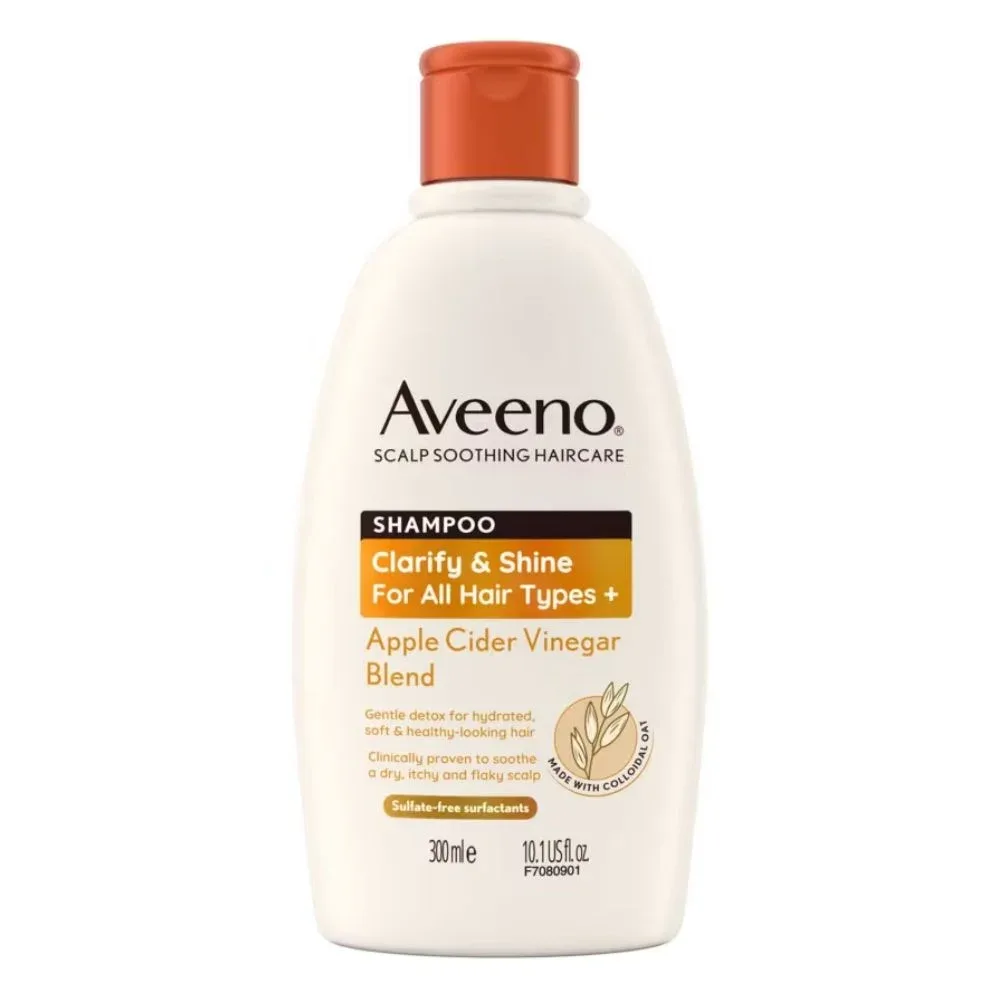
most gentle
Aveeno ACV Shampoo
Best For Dry, brittle 4C hair
Why It Works : Cleanses buildup while supporting softness and hydration.
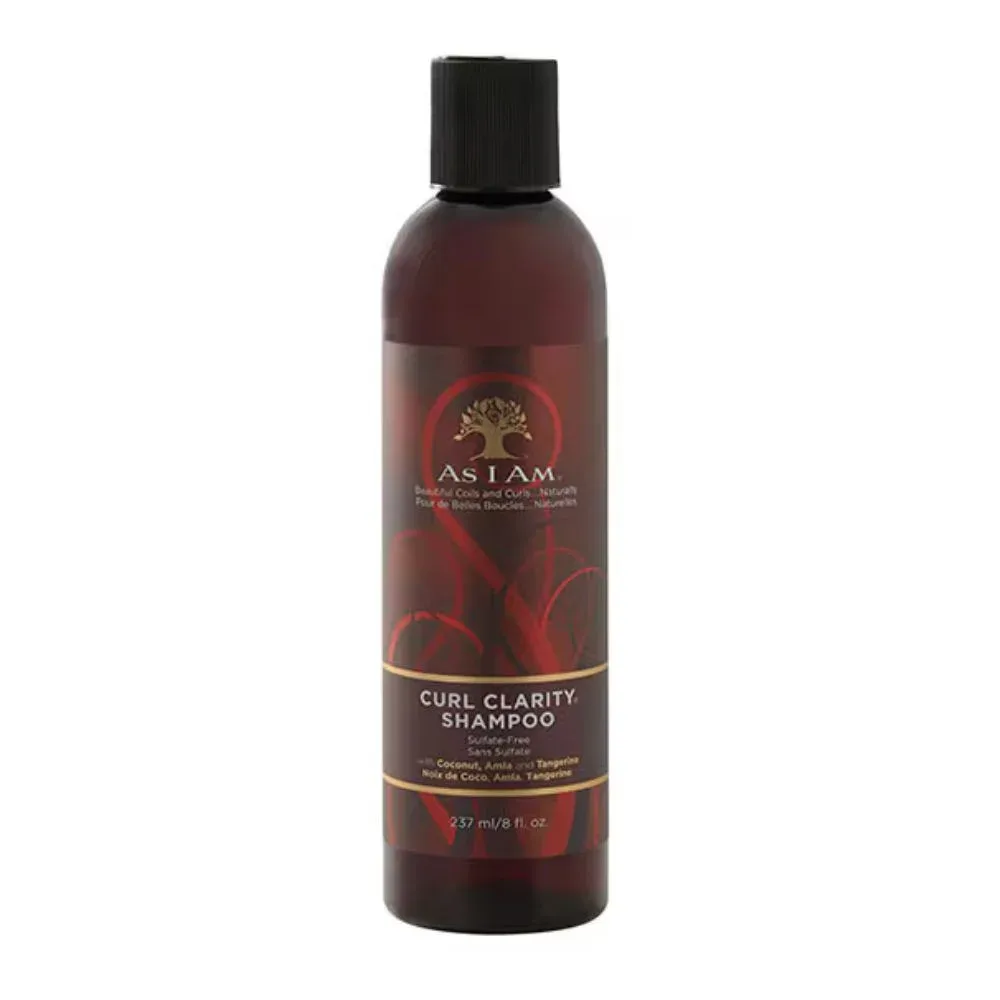
BEST OVERALL
As I Am Curly Cuticle
Best For Dry, brittle 4C hair
Why It Works : Helps lift residue while leaving the hair softer after cleansing.
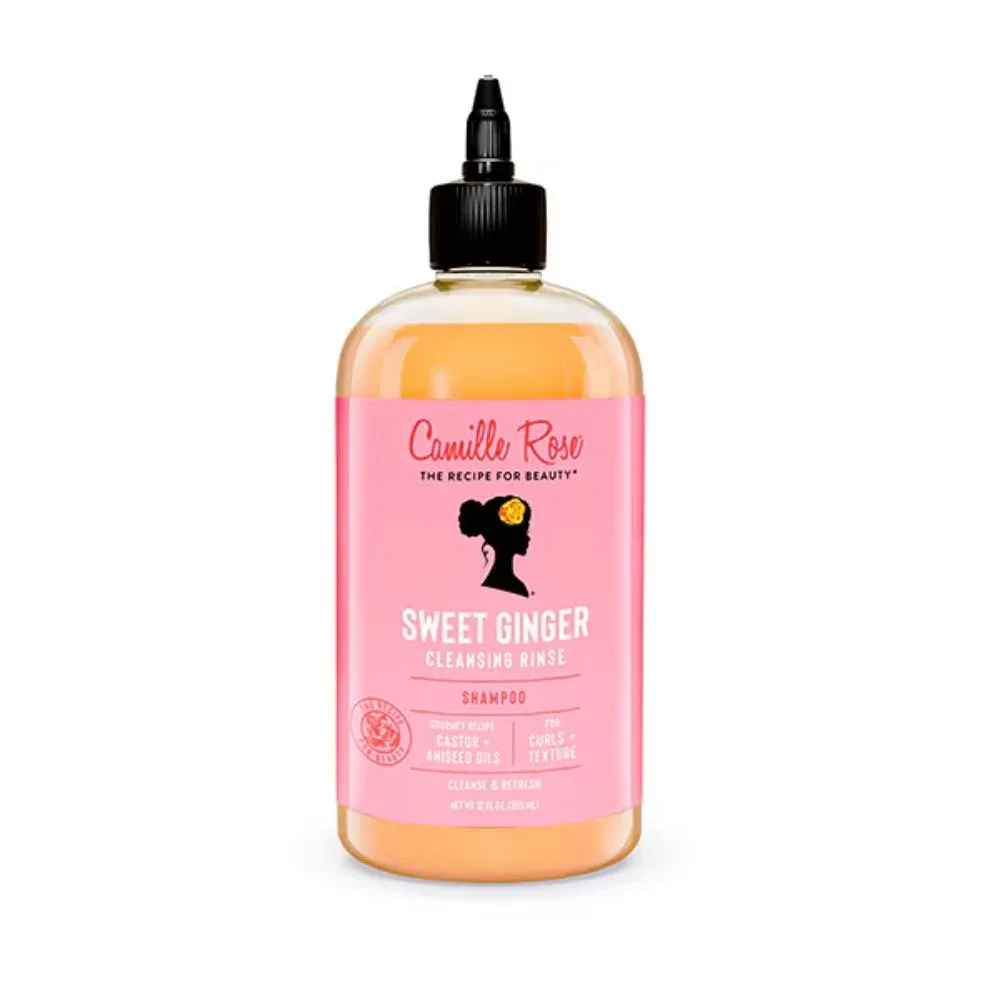
most moisturising
Camille Cleansing Rinse
Best For Dry hair after clarifying
Why It Works : Helps remove buildup while supporting hydration and softness
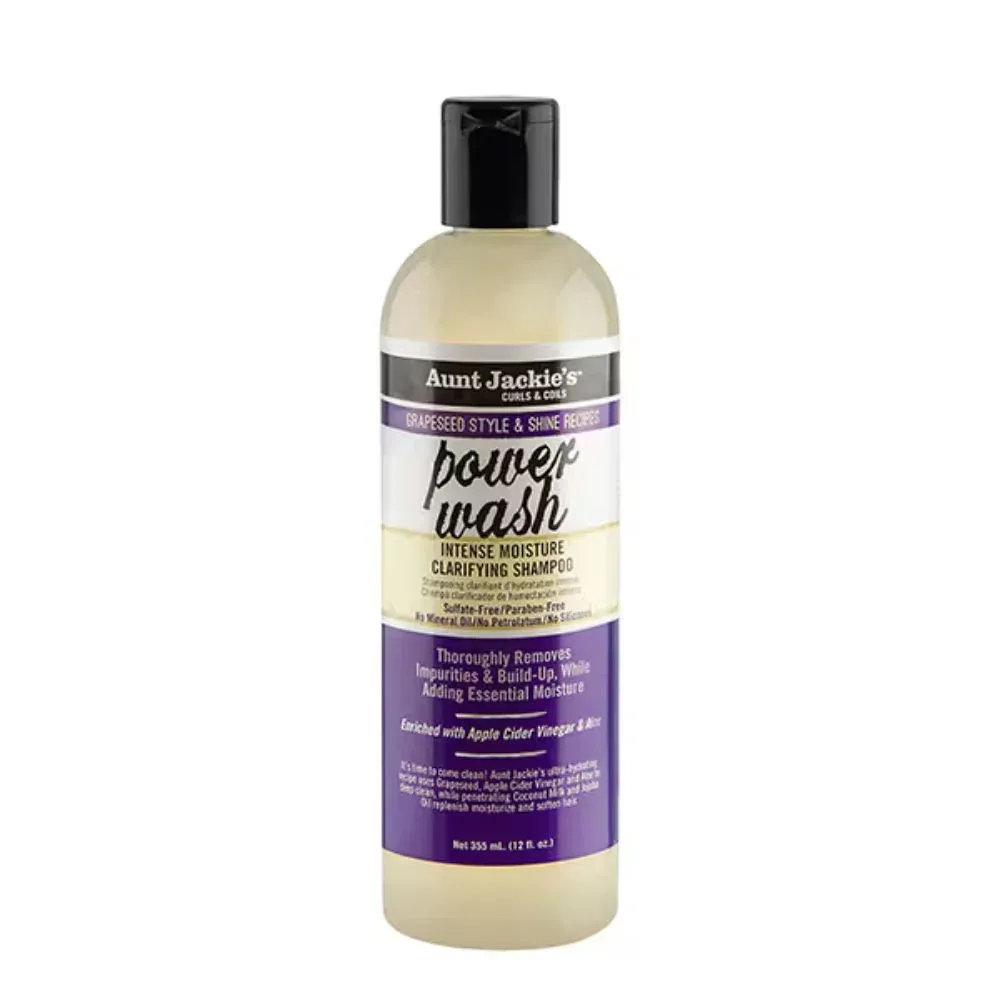
strongest cleanse
Aunt Jackies Power Wash
Best For Heavy styling product use
Why It Works : Helps remove stubborn buildup from gels, creams, and edge control.
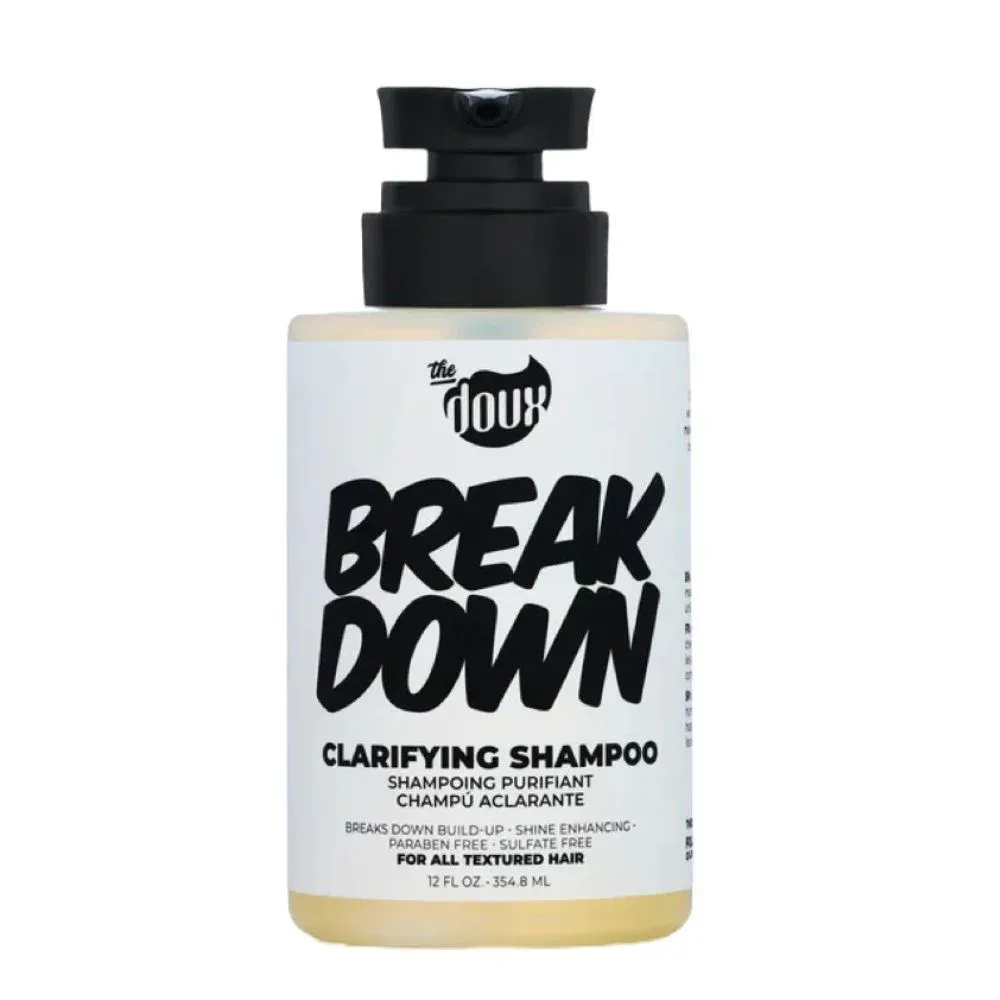
best for gels
The Doux Breakdown
Best For Layered styling products
Why It Works : Breaks down gel and styling residue without excessive stripping.
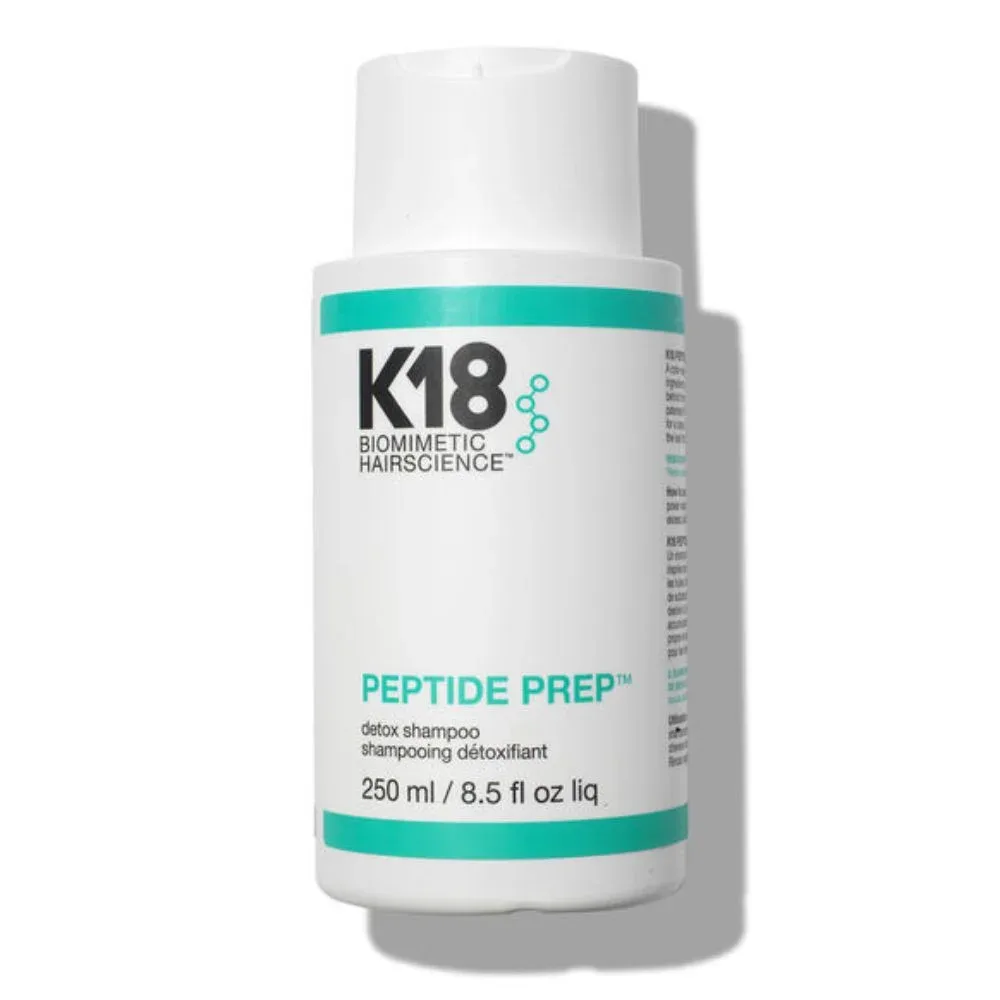
BEST detox
K18 Detox Shampoo
Best For Hard water buildup
Why It Works : Removes mineral deposits, pollution, and product buildup.
FAQ’s about Product Build Up on Hair
How can you avoid product build up on natural hair?
- Choose lightweight products where possible
- Be mindful when layering leave-ins, creams, gels, and mousse
- Avoid applying more product than the hair can absorb
- Minimise heavy butters in daily styling routines
- Avoid relying solely on co-washing without occasional clarifying
Should you deep condition your hair after clarifying?
Yes. Clarifying shampoos remove residue and excess oils from the hair, which can leave the strands feeling slightly dry afterward. Following up with a hydrating deep conditioner helps restore moisture and elasticity.
If you are short on time, use a moisturising conditioner followed by a lightweight leave-in. Being intentional with product application afterward can also help reduce buildup from returning too quickly.
Why does my hair feel dry after clarifying?
Clarifying shampoos are designed to remove buildup, excess oils, and residue from the hair shaft. Because they cleanse more deeply than regular shampoos, the hair may feel lighter and slightly drier immediately afterward.
This does not mean clarifying is damaging. It simply means the hair needs moisture restored. Following up with a deep conditioner or hydrating treatment helps rebalance the strands.
For most Type 4 naturals, clarifying once per month is usually enough, as overuse may contribute to dryness.
What’s the difference between dandruff and product buildup on the scalp?
Product build up flakes are usually larger and tend to appear after styling or product application. They are commonly caused by residue accumulating on the hair and scalp.
Dandruff, on the other hand, is typically linked to scalp conditions and may come with persistent itching, irritation, or inflammation. If flakes continue even without styling products, the issue may be scalp related rather than caused by buildup.