

Share This Article
This post may contain affiliate links and we may get paid a small commission if you click on a link.
Please read our privacy policy and cookie policy.
If you’re wondering how to moisturize 4C hair, you’re not alone. Keeping 4C hair moisturized can be one of the biggest challenges for Type 4 naturals. If your hair still feels dry and brittle after moisturizing, or you’re struggling to find products that work, you’re not alone. The tight coil pattern of 4C hair makes it harder for your scalp’s natural oils to travel down the hair shaft. As a result, 4C hair is naturally more prone to dryness and breakage.
Learning how to moisturize 4C hair isn’t about applying more products. It’s about using the right techniques, choosing ingredients that support moisture retention, and building a routine that keeps your hair hydrated for longer. In this guide, we’ll explain why moisture matters, share eight proven ways to keep 4C hair moisturized, and recommend products that can help you achieve healthier, more hydrated hair.
Why Is Moisture Important for 4C Hair?
Moisture plays a vital role in maintaining healthy 4C hair. Without enough moisture, strands become dry, fragile and more prone to breakage.
Keeping your hair hydrated improves elasticity, softness and manageability, making it easier to detangle and style. A consistent moisturizing routine also helps reduce breakage and supports better moisture retention between wash days.
Although 4C hair is naturally prone to dryness, the right products and techniques can make a noticeable difference. With a routine focused on hydration and moisture retention, you can keep your hair healthier and easier to manage.
Why Is My 4C Hair So Dry?
Dry 4C hair is a common concern for many naturals. Although dryness is normal, it can have several causes. Identifying what’s contributing to your dry hair is the first step towards improving moisture retention.
Your hair’s natural structure
Dryness is a natural characteristic of Type 4 hair. Compared with straighter hair types, 4C hair often requires more consistent hydration and moisture retention techniques to stay soft and manageable. This also applies to other Type 4 hair, including 4A and 4B.
Your hair isn’t retaining moisture
Applying products alone isn’t always enough. A healthy routine should include moisturizing products, such as a moisturizing shampoo, deep conditioner and leave-in conditioner. It’s equally important to seal that moisture in to slow moisture loss. Techniques like the LOC and LCO methods can help improve moisture retention.
Your haircare routine
Some haircare habits can make dryness worse. Harsh shampoos, skipping deep conditioning, excessive heat styling, product buildup and damaged ends can all affect your hair’s ability to retain moisture.
Environmental factors
Cold weather, indoor heating, low humidity and sun exposure can all contribute to dry hair. You may find that your hair needs extra moisture during certain seasons.
The good news is that dry 4C hair is often manageable. Once you identify the cause, you can adjust your routine to improve moisture retention and keep your hair hydrated for longer.
8 Best Ways to Keep 4C Hair Moisturized for Longer
Here are 8 techniques to try to get the right level of moisture into your 4C hair strands and keep your hair fully hydrated.
1. Refresh your hair with a Moisturizing Spritz
If your hair feels dry between wash days, a moisturizing spritz is a quick and easy way to restore hydration. Water provides the moisture your hair needs, but it evaporates quickly on its own. Mixing it with a leave-in conditioner helps reduce moisture loss and keeps your hair softer for longer.
How to make a moisturizing spritz for 4C hair
- Step 1: Fill a spray bottle with water.
- Step 2: Add your favourite leave-in conditioner.
- Step 3: Shake well before each use.
Bonus tip: Add a few drops of a lightweight oil, such as avocado or olive oil, to help seal in moisture. Avoid using too much oil, as it can weigh your hair down.
2. Choose the Right Moisturizer
Not all moisturizers are created equal. The right product should do more than make your hair feel soft temporarily. It should also help your hair retain moisture between wash days.
When shopping for a moisturizer, look for ingredients known as film-forming humectants. These ingredients attract water and form a lightweight film over the hair shaft to help reduce moisture loss. They can make a noticeable difference if your 4C hair dries out quickly.
Some effective film-forming humectants include:
- Marshmallow root
- Flaxseed gel
- Aloe vera
- Slippery elm
- Panthenol (Pro-Vitamin B5)
- Hydroxypropyltrimonium Honey
- Nettle extract
We’ve included some of our favourite moisturizers later in this guide, featuring a combination of film-forming humectants, conditioning ingredients and emollients that help support moisture retention.
3. Use the LOC or LCO Method
The LOC method is a popular moisture retention technique that can help keep 4C hair hydrated for longer. LOC stands for Liquid, Oil and Cream. The liquid provides hydration, while the oil and cream help slow moisture loss by sealing it into the hair.
If you have low porosity hair, the LCO method may work better. It follows the same principles but applies the cream before the oil. The best method depends on your hair’s porosity, products and how your hair responds. Learn more in our guide on LOC vs LCO to find the best approach for your hair.
4. Choose a Moisturizing Shampoo
Your shampoo plays an important role in your hair’s moisture levels. While shampoos cleanse the hair and scalp, some can leave already dry 4C hair feeling stripped if they’re too harsh or used too often.
For most wash days, choose a moisturizing shampoo that cleanses without leaving your hair feeling dry. If you have heavy product buildup, follow up with a clarifying shampoo occasionally before returning to your regular moisturizing shampoo. This helps remove buildup without compromising your overall moisture retention routine.
If you’re looking for recommendations, explore our guide to the best moisturizing shampoos for 4C hair to find formulas that cleanse while supporting healthy, hydrated hair.
5. Don’t Skip Deep Conditioning
Deep conditioning is one of the best ways to improve moisture retention in 4C hair. While wash days can be time-consuming, skipping this step can leave dry hair feeling even more dehydrated.
A good deep conditioner helps replenish moisture, improves softness and manageability, and reduces breakage caused by dry, fragile strands. Using one regularly can also make your hair easier to detangle and style.
For more tips, read our Deep Conditioning Guide for Type 4 Hair, where we cover techniques, product recommendations and how often to deep condition. If you enjoy DIY haircare, explore our Homemade Deep Conditioners for Natural Hair for simple recipes you can try at home.
With consistent deep conditioning, you’ll notice healthier hair that feels softer, stronger and better able to retain moisture.
6. Use Steam During Deep Conditioning
Steam can help improve your deep conditioning routine by allowing your conditioner to coat the hair more effectively. If you don’t own a hair steamer, a heated or steam cap is a great alternative and is often more affordable.
Try using steam while deep conditioning to help soften dry hair and improve manageability. Consistent use, alongside a good moisturizing routine, can help support moisture retention over time.
7. Stay Hydrated
Healthy hair starts from within. Drinking enough water supports your overall health, including your scalp, which creates the environment for healthy hair growth. While drinking more water won’t moisturize your hair on its own, staying hydrated is still an important part of maintaining healthy hair.
Aim to drink enough water each day and combine good hydration with a consistent moisturizing routine for the best results.
8. Consider Underlying Health Factors
If you’ve improved your haircare routine but your 4C hair still feels unusually dry or brittle, it may be worth considering whether an underlying health issue is contributing.
Nutritional deficiencies, particularly low iron or vitamin D levels, can affect your hair’s overall health and may contribute to increased breakage or changes in hair texture. If you suspect a deficiency or notice persistent changes in your hair, speak to your GP or healthcare professional about whether blood tests are appropriate.
While a healthy diet supports healthy hair, it works best alongside a consistent moisturizing routine and good haircare practices.
How Often Should You Moisturize 4C Hair?
There’s no one-size-fits-all answer. How often you moisturize 4C hair depends on your routine, styling choices, environment and how quickly your hair loses moisture.
Start by moisturizing your hair on wash day using products that suit your hair, whether that’s the LOC or LCO method or your preferred moisturizing routine. Between wash days, pay attention to how your hair feels. If it starts to feel dry, refresh it with a moisturizing spritz or a lightweight leave-in conditioner before sealing in the moisture if needed.
Your environment also plays a role. During colder months or in low-humidity conditions, you may find your hair dries out more quickly and needs extra hydration. The key is to observe how your hair responds throughout the year and adjust your routine accordingly.
Is Your Hair Dry or Is It Product Buildup?
If your hair still feels dry after applying more products, the problem may not be a lack of moisture. Over time, product buildup can coat the hair, making it harder for water and conditioners to work effectively.
If your hair feels heavy, looks dull or products seem to sit on top of your strands, it may be time for a clarifying wash. Removing buildup gives your moisturizing products a fresh start and can improve moisture retention.
Follow your clarifying shampoo with a moisturizing shampoo and deep conditioner to restore hydration.
6 Moisturizing Products We Recommend for 4C Hair
Choosing the right moisturizer can make a big difference to how well your hair retains moisture between wash days. Whether you prefer a lightweight leave-in, rich cream or intensive butter, the best choice depends on your hair’s needs, texture and styling routine.
Here are six moisturizers we recommend to help keep 4C hair soft and hydrated. For a more detailed comparison across different strand thicknesses and product types, see our complete guide to the best moisturizers for 4C hair.
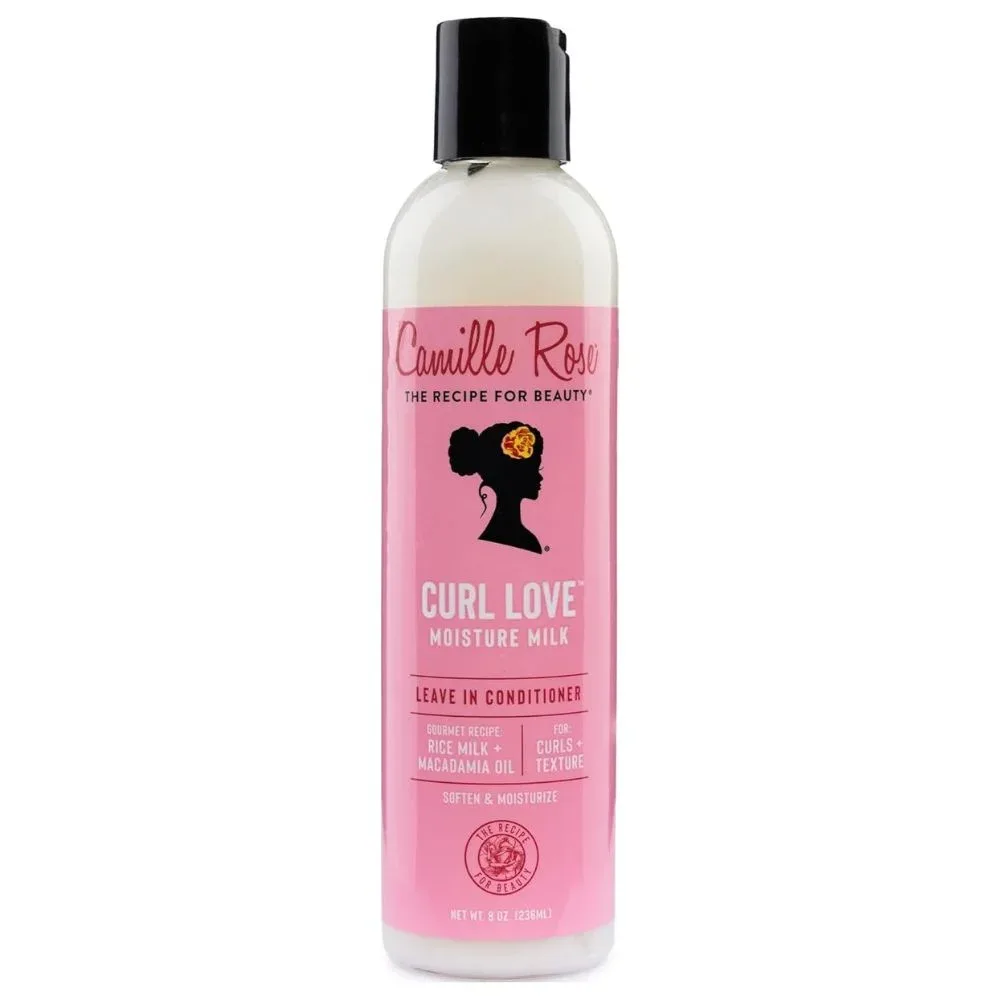
fine hair
Camille Rose Curl Love
Why You’ll Love It: Lightweight hydration for fine hair.
Key Ingredients:
Rice Milk: Hydrates
Slippery Elm: Adds slip
Macadamia Oil: Seals moisture
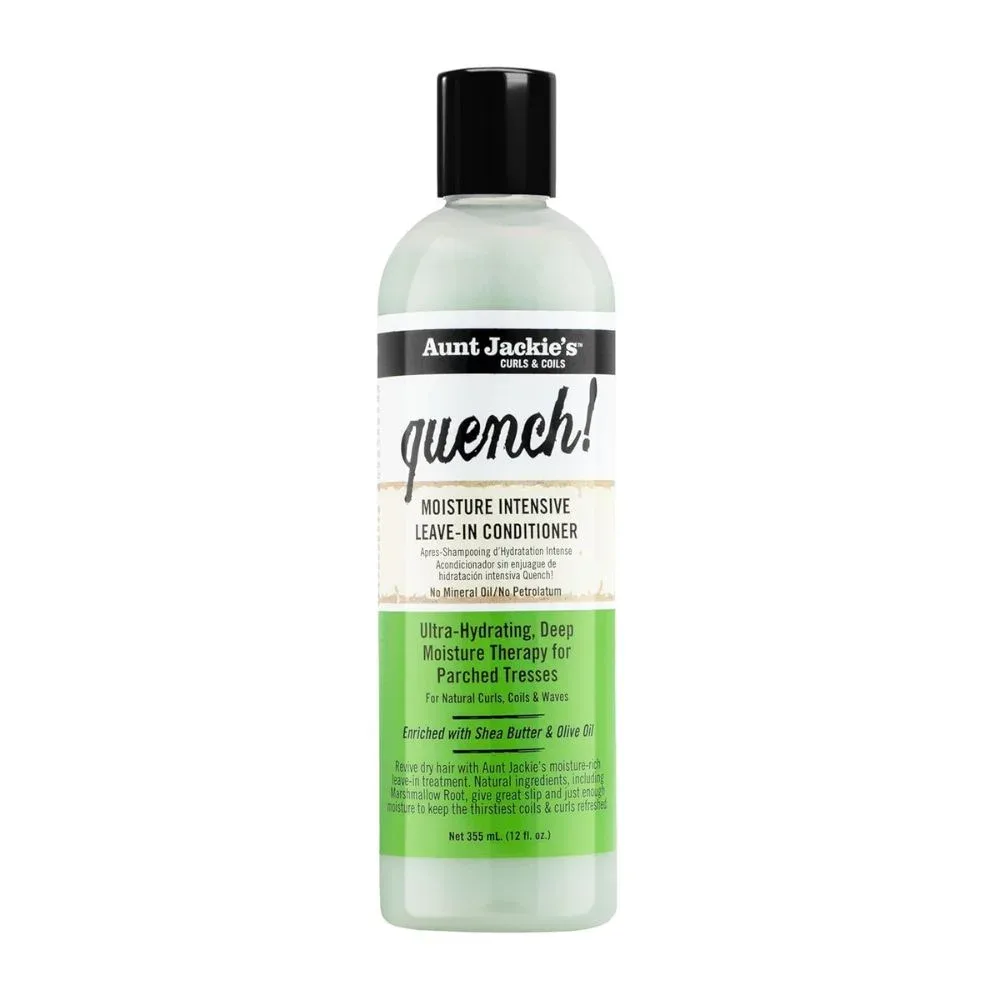
BEST VAlUE
Aunt Jackie’s Quench
Why You’ll Love It: Budget-friendly moisture and slip.
Key Ingredients:
Marshmallow Root: Adds slip
Shea Butter: Moisturizes
Olive Oil: Seals moisture
very dry hair
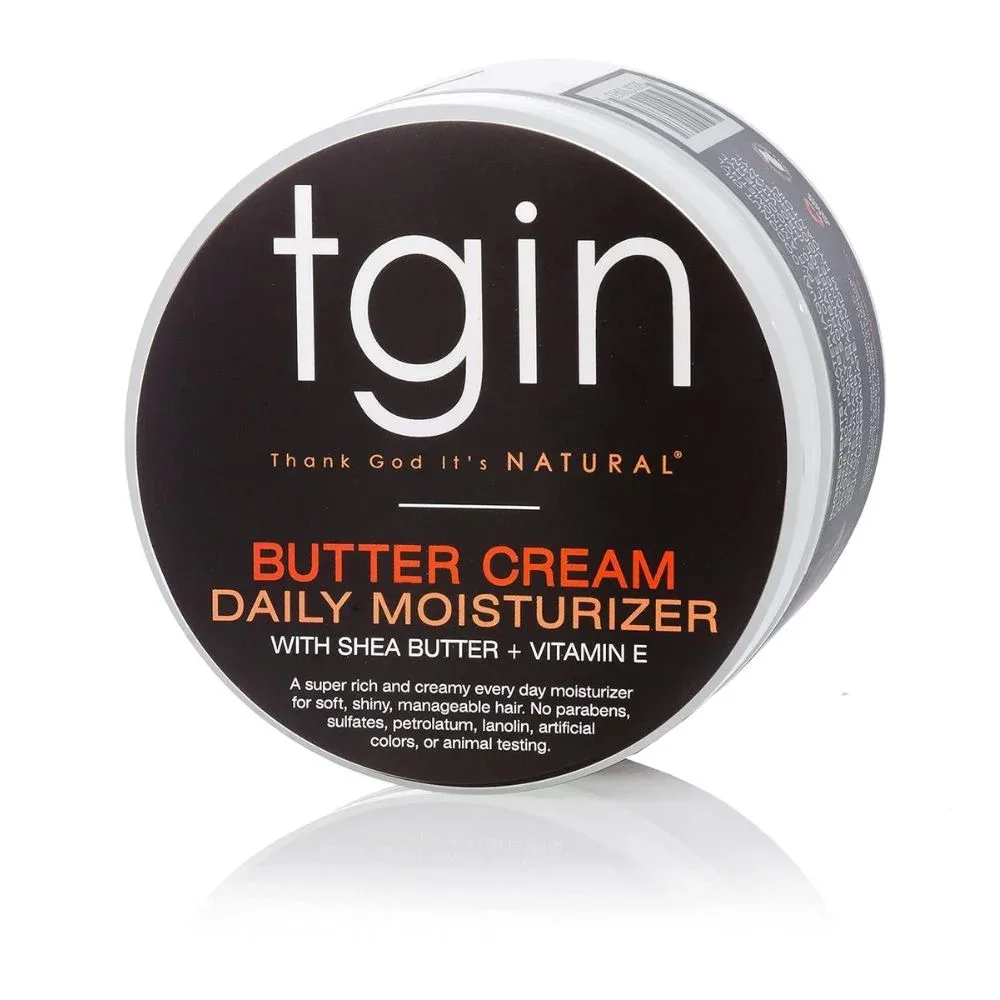
tgin Butter Cream
Why You’ll Love It; Rich moisture for dry hair.
Key Ingredients:
Shea Butter: Moisturizes.
Cocoa Butter: Softens
Vitamin E: Nourishes
maximum moisture
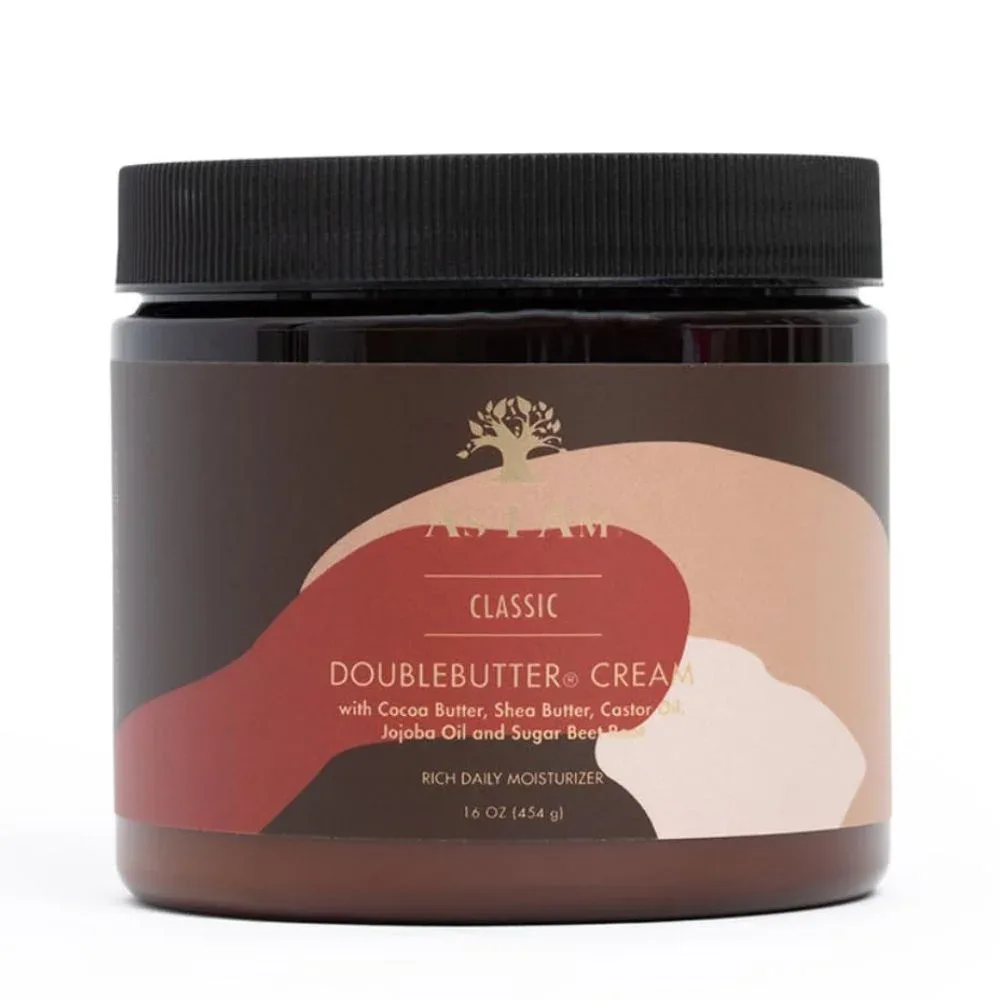
As I Am Double Butter
Why You’ll Love It: Lasting moisture for very dry hair.
Key Ingredients:
Shea Butter: Moisturizes
Cocoa Butter: Softens
Pro-Vitamin B5: Conditions
BEST LEAVE IN
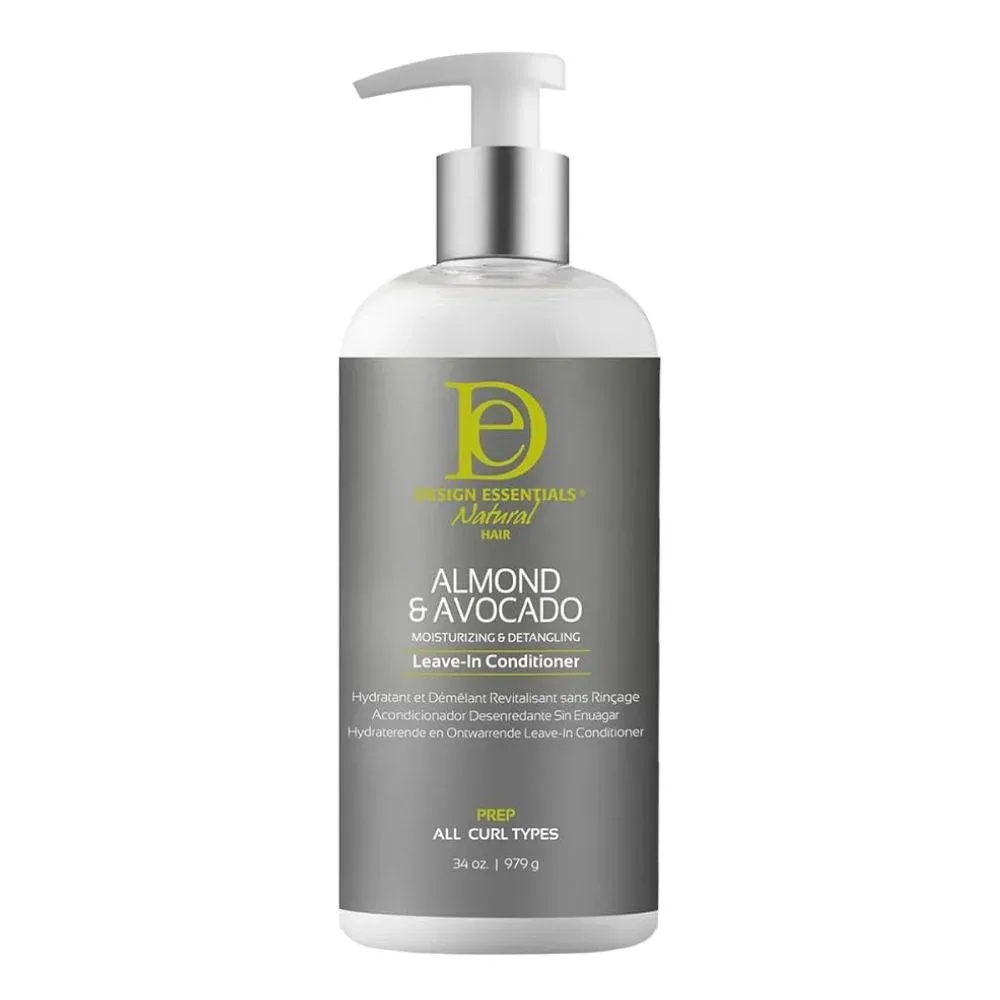
design Essentials Leave-In
Why You’ll Love It: Lightweight moisture and slip.
Key Ingredients:
Almond Oil: Nourishes
Avocado Oil: Softens
Coconut Milk: Hydrates
BEST OVERALL
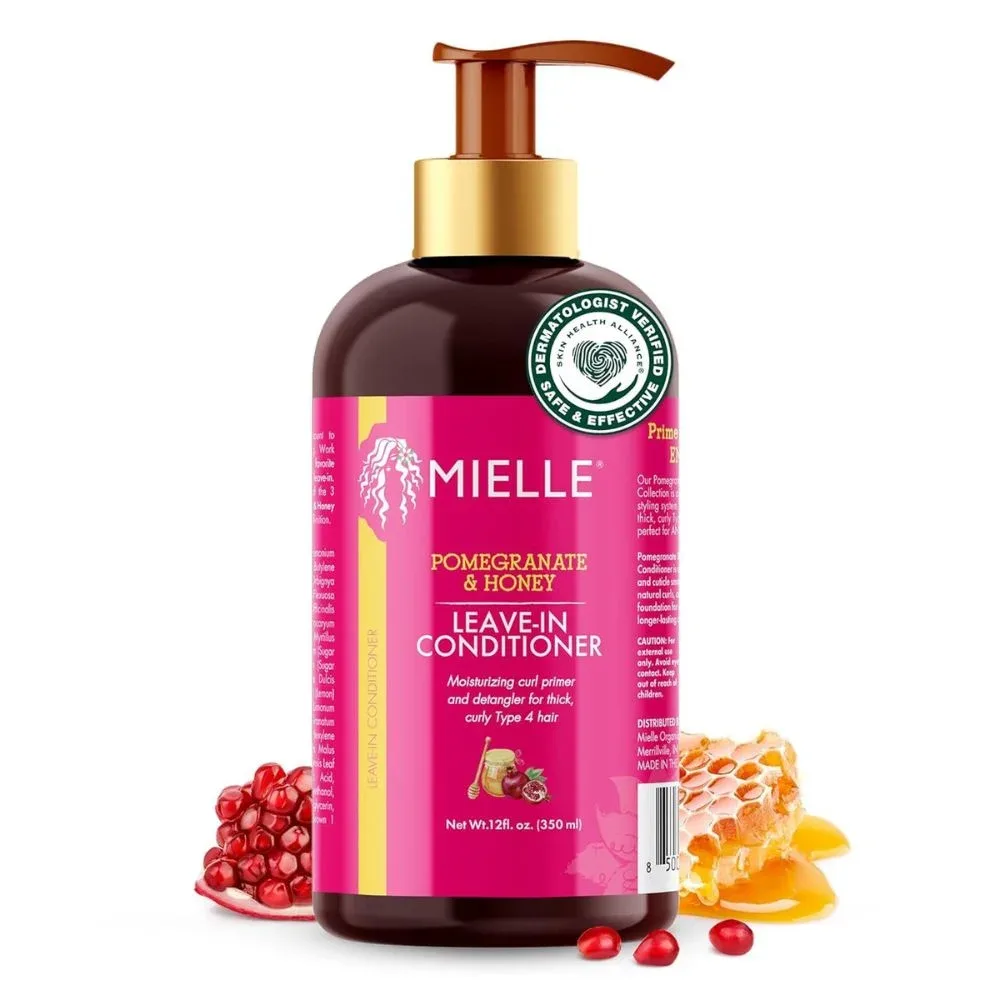
Mielle Pomegranate & Honey
Why You’ll Love It: Nourishing moisture for dry hair.
Key Ingredients:
Honey: Attracts moisture
Babassu Oil: Softens
Pomegranate Extract: Nourishes
No single moisturizer works for everyone. Fine hair often benefits from lightweight formulas, while thicker or very dry hair may need richer creams or butters. If you’re unsure which product is right for you, start with one that matches your hair’s needs and use it consistently for a few wash days before deciding whether it’s a good fit.
Frequently Asked Questions
To keep 4C hair moisturized, focus on building a consistent routine rather than constantly applying more products. Start with a moisturizing shampoo and deep conditioner on wash day, then apply a leave-in conditioner and seal in the moisture using your preferred method, such as LOC or LCO.
Between wash days, refresh your hair only when it starts to feel dry. Sleeping in a silk bonnet or on a silk pillowcase can also help reduce moisture loss overnight. With the right products and techniques, your hair will be better able to retain moisture and stay hydrated for longer.
If you don’t already have a hair regimen then create one to help stay consistent with all the steps.
4C hair is naturally more prone to dryness because its tightly coiled strands make it harder for your scalp’s natural oils to travel down the hair shaft. However, your haircare routine can also contribute to dry, brittle hair.
Common causes include skipping deep conditioning, using harsh cleansing products too often, excessive heat styling, product buildup, chemical processing and poor moisture retention. If you’ve improved your routine and your hair still feels unusually dry or brittle, it’s worth speaking to your GP or healthcare professional to rule out any underlying nutritional deficiencies.
No. Water provides the hydration your hair needs, but it evaporates quickly on its own. To help your hair retain moisture, follow up with a leave-in conditioner or moisturizing cream, then seal it in with your preferred method if needed.
Using water alongside moisturizing products is far more effective than relying on water alone.
Not usually. Oils don’t replace moisture. Instead, they help reduce moisture loss by sealing in hydration that’s already there. Applying oil every day without first adding moisture can lead to product buildup and leave your hair feeling heavy.
For best results, apply oil after your leave-in conditioner or moisturizer on wash day, then reapply only when your hair needs it. If you’re wearing your hair straight, a small amount of a lightweight oil or serum can also help reduce dryness, smooth flyaways and add shine between wash days without reintroducing water.
Not usually. Most people don’t need to moisturize 4C hair every day, and overapplying products can lead to buildup that leaves hair feeling heavy and less responsive to your moisturizing routine.
Instead, moisturize on wash day, then refresh your hair only when it starts to feel dry. The ideal frequency depends on your routine, styling choices, environment and how quickly your hair loses moisture.
Both methods can work well, and the best choice depends on your styling goals. If you air dry your hair, drying it in twists or braids can help keep it stretched and reduce tangles.
Many naturals choose to blow dry their hair because stretching the hair can reduce shrinkage, tangles and single strand knots. It also makes detangling and styling easier, especially before protective styles. If you blow dry your hair, always use a heat protectant and the lowest effective heat setting to help minimise the risk of heat damage. When used correctly and in moderation, heat styling can be part of a healthy 4C hair routine.
Final Thoughts
Learning how to moisturize 4C hair doesn’t have to be complicated. By choosing the right products, using effective moisture retention techniques and following a consistent routine, you can reduce dryness and support healthier, more manageable hair over time. Remember, every head of hair is different. Pay attention to how your hair responds and adjust your routine as needed to find what works best for you.




0 Comments
Tori
I appreciate this article so much. It taught me a lot about my hair type that I wasn’t aware of. It’s my first time hearing about the LOC/LCO method. God bless you.
NaturalistaVibes
Thank you so much for your kind words! I’m really glad the article helped you learn more about your hair type. The LOC/LCO method can be a game-changer for retaining moisture, so I’m excited for you to try it! Feel free to reach out if you have any questions as you start experimenting with it. God bless you too!”
Aretha Mickle
My favorite products are Camille rose natural moisture milk and as I am Jamaica Black Castor Oil. I have tried the deep conditioning method and I love that, the only problem I encountered was shampooing twice with a moisturizing shampoo it strips my hair .
NaturalistaVibes
Thanks so much for sharing your favorites! Camille Rose Natural Moisture Milk and As I Am Jamaican Black Castor Oil are excellent choices. I’m glad to hear the deep conditioning method is working well for you!
Regarding the shampooing issue, it might be worth trying a pre-poo treatment before washing. This can help protect your hair’s natural oils and reduce the stripping effect of shampoo, especially if you’re shampooing twice. You can use oils or a conditioner for your pre-poo to give your hair an extra moisture boost before cleansing. I hope this helps!