Share This Article
This post may contain affiliate links and we may get paid a small commission if you click on a link.
Please read our privacy policy and cookie policy.
Finding the right 4C hair products isn’t always easy. If your hair often feels weighed down, greasy or coated, the problem may not be your routine. It could be the formulations you’re choosing.
I learned this the hard way. I used to layer multiple products, believing more moisture would create healthier hair. Instead, my fine strands felt heavy. Once I paid attention to how my hair responded, I realised lightweight formulas and using less product delivered better results.
While all 4C hair shares a tightly coiled curl pattern, strand thickness varies. Products that work well for coarse strands can feel too rich for fine 4C hair. They often leave hair weighed down instead of soft and moisturised.
In this guide, you’ll discover the best products for fine 4C hair, learn which ingredients to prioritise and build a simple routine that delivers moisture, slip and strength without unnecessary buildup.
This guide is for you if:
- You have fine 4C hair.
- Products often leave your hair feeling coated or greasy.
- You want moisture without sacrificing volume.
- You’re building a simple routine that supports length retention and reduces breakage.
How We Chose the Best Products for Fine 4C Hair
Choosing the best 4C hair products for fine strands isn’t just about finding the richest formula. We selected products for fine hair that deliver lightweight hydration, improve manageability and help strengthen strands without unnecessary buildup.
We’ve personally tested several of the products featured. We selected every recommendation for its formulation, ingredient profile and suitability for fine 4C hair.
When choosing our recommendations, we prioritised products that:
- Provide lightweight hydration without unnecessary buildup.
- Offer good slip for easier detangling.
- Support healthier-looking hair with effective ingredients.
- Work well for regular use on fine 4C hair.
- Deliver excellent value and earn consistently positive reviews.
The Best 4C Hair Products for Fine Hair
The best products for fine 4C hair deliver moisture, slip and strength without weighing strands down. Whether you need a lightweight shampoo, nourishing deep conditioner or everyday leave-in, these recommendations will help you build a routine that supports healthier, more manageable hair.
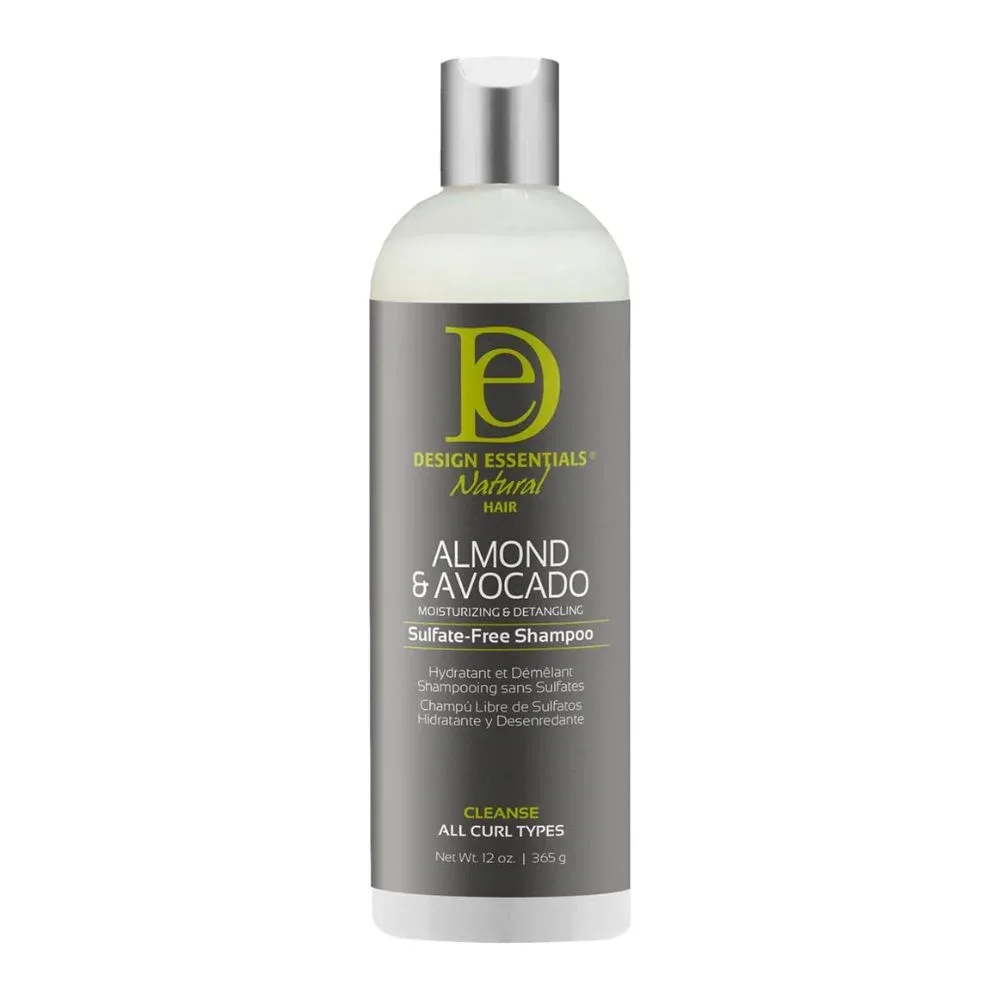
everyday shampoo
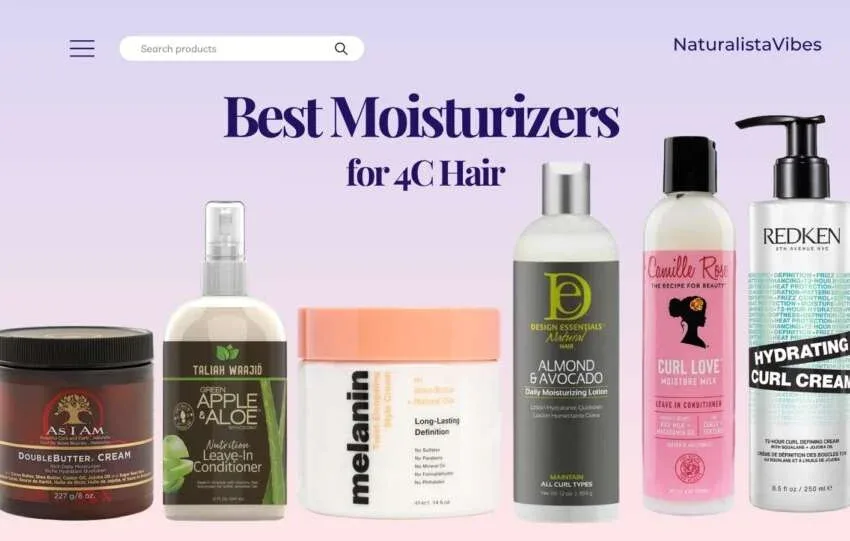
Almond & Avocado
Why We Recommend It : Gently cleanses while adding slip, making wash day and detangling easier for fine 4C hair.
Why It Stands Out : Moisturises without stripping, making it ideal for regular wash days.
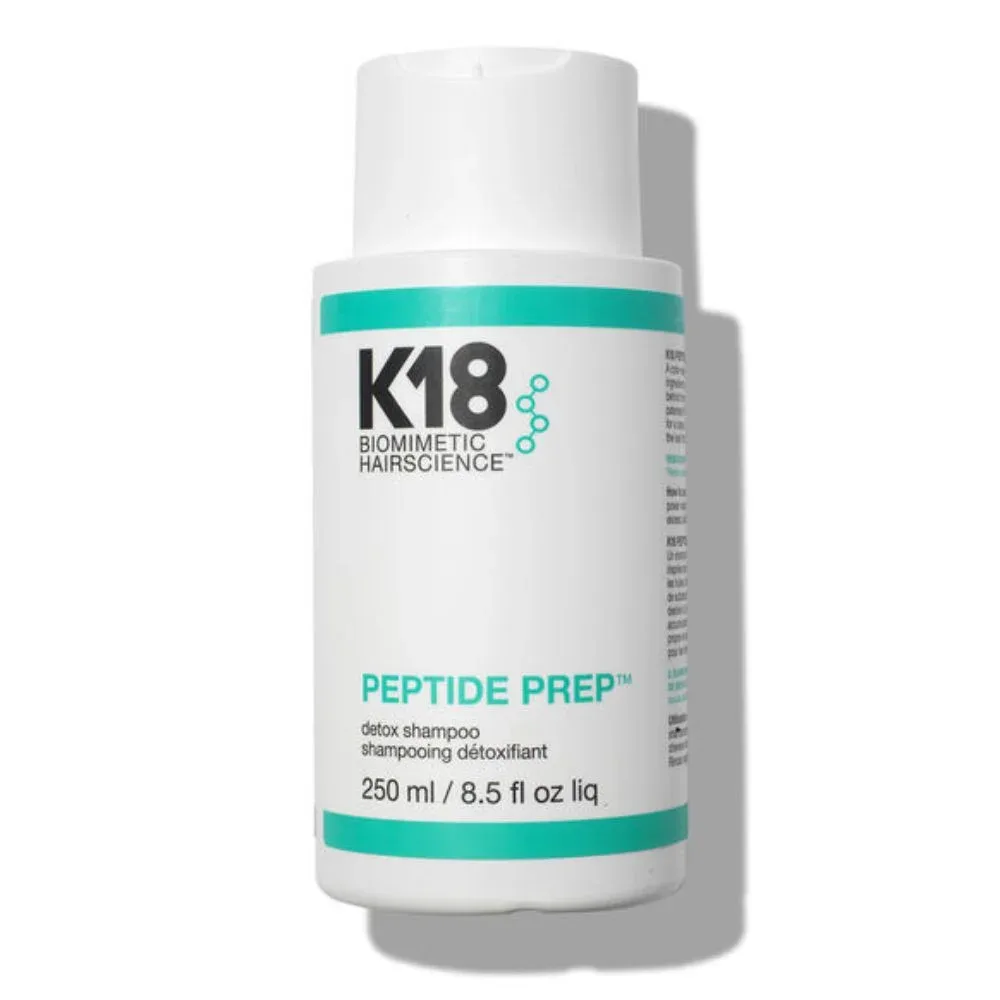
clarifying shampoo
K18 Peptide Prep Detox
Why We Recommend It : Removes stubborn buildup without over-drying, helping treatments work more effectively.
Why It Stands Out : Clarifies thoroughly while keeping fine strands soft and manageable.
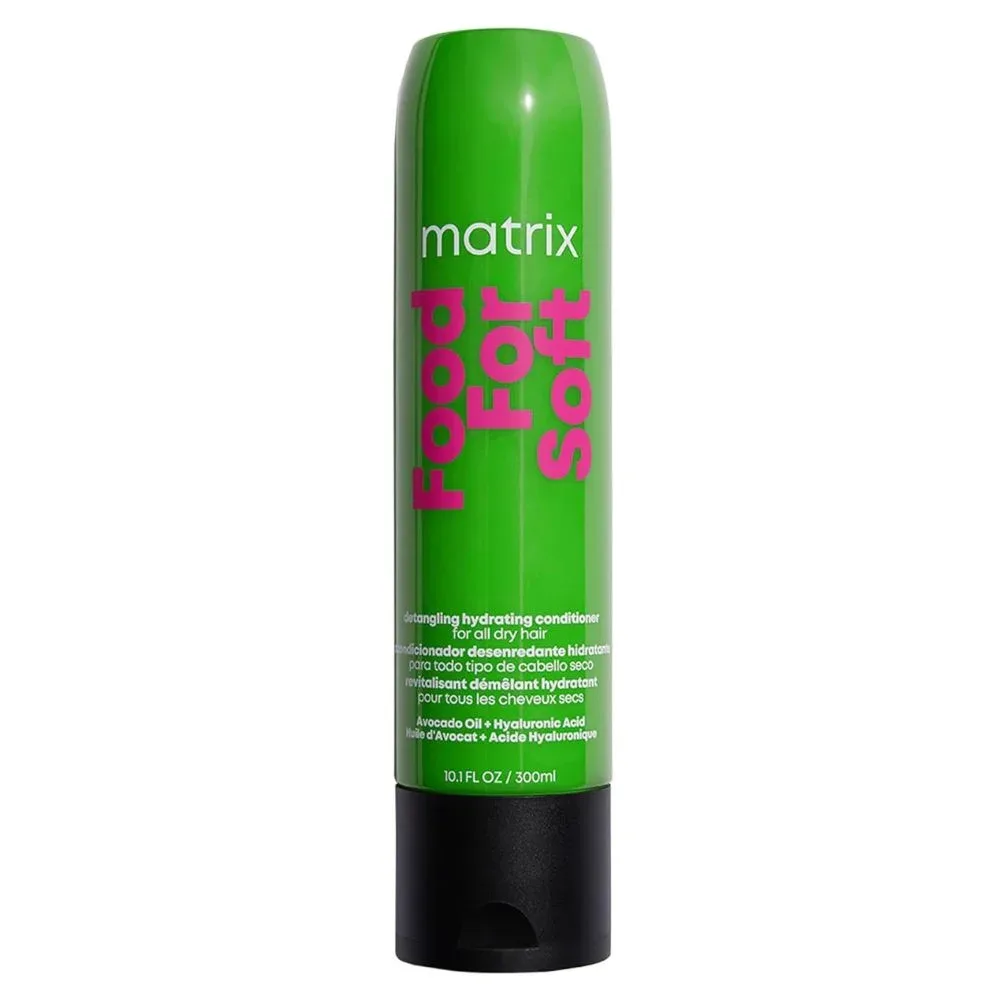
everyday conditioner
Matrix Food for Soft
Why We Recommend It : Delivers moisture and slip to improve softness, detangling and manageability without feeling heavy.
Why It Stands Out : Lightweight hydration that’s suitable for frequent use.
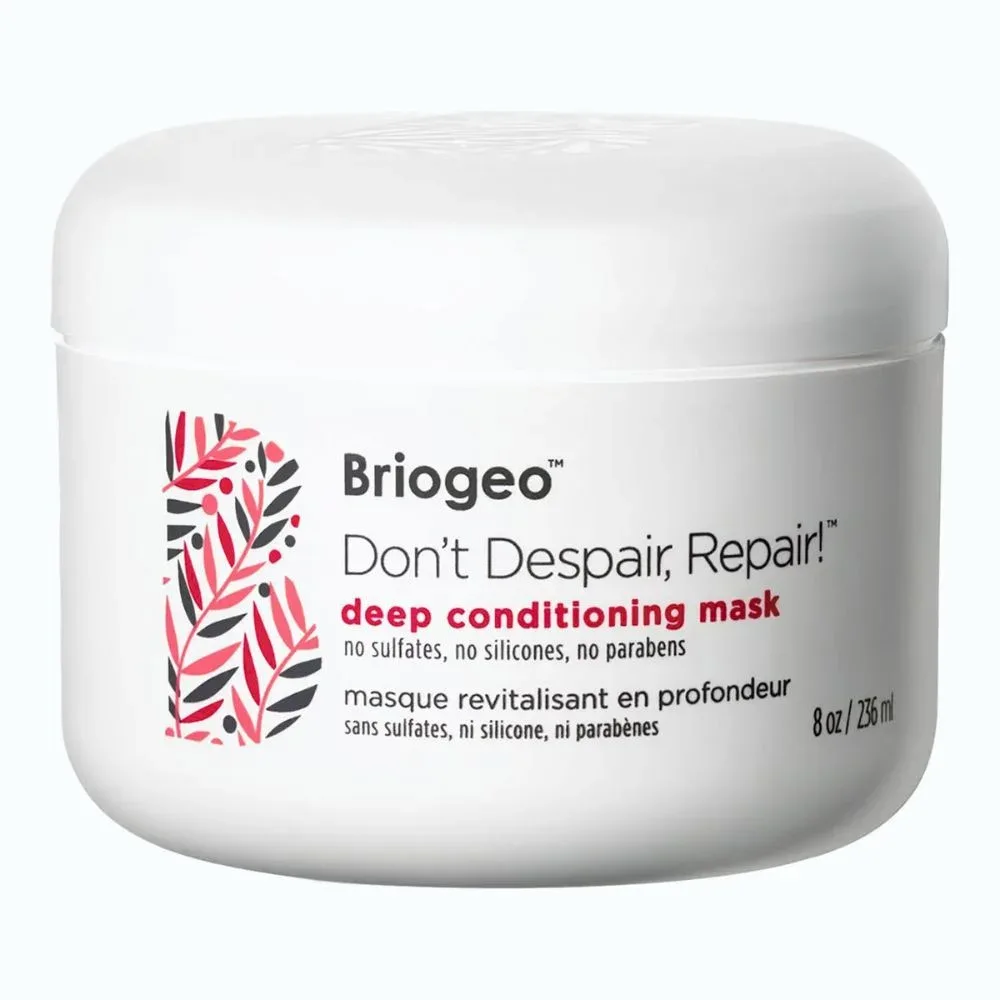
deep conditioning mask
Brigeo Don’t Despair
Why We Recommend It : Deeply conditions while helping strengthen weakened strands, leaving hair softer and easier to manage.
Why It Stands Out : Balances moisture and strength in one treatment.
Editor’s Tip: If you prefer a richer moisturising treatment, Amika Soulfood Nourishing Mask is another excellent option. Fine 4C hair often responds better to using a small amount than switching to heavier formulas.
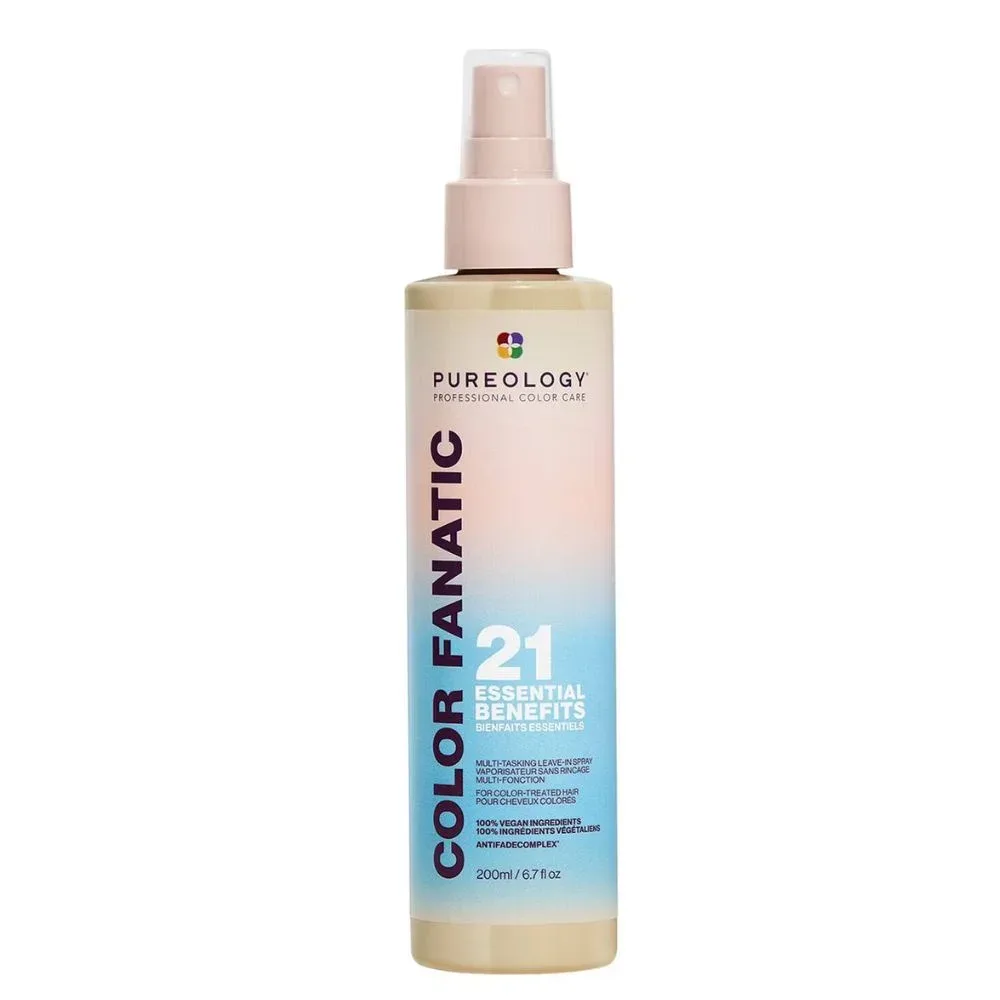
leave in conditioner
Pureology Color fanatic
Why We Recommend It : Conditions, detangles and smooths while helping reduce tangles without leaving hair overloaded.
Why It Stands Out : Fine mist helps prevent over-applying product.
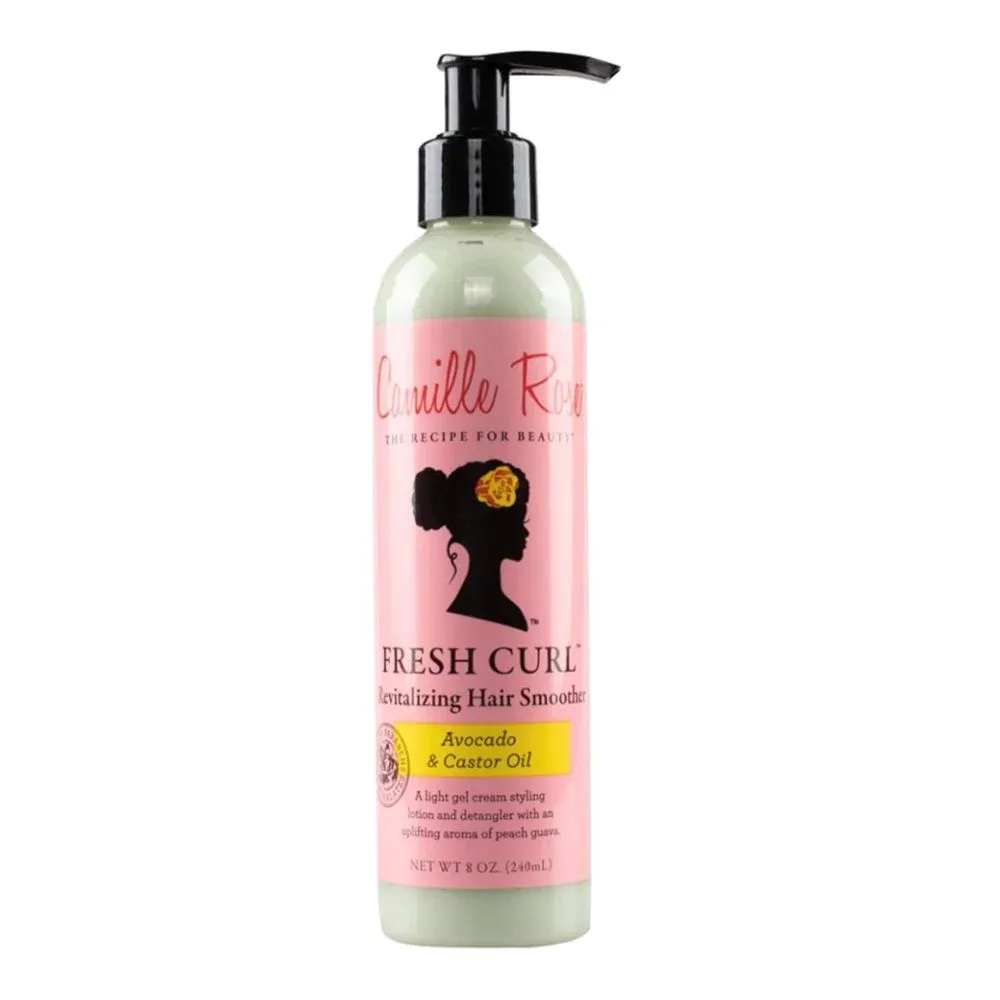
STYLING CREAM
Camille Rose Fresh Curl
Why We Recommend It : Refreshes curls, adds lightweight moisture and helps reduce frizz without weighing down fine Type 4 hair.
Why It Stands Out : Ideal for refreshing styles between wash days.
Editor’s Tip: If spray leave-ins don’t provide enough moisture, switch to a lightweight cream leave-in instead of layering multiple products. Design Essentials Almond & Avocado Leave-In Conditioner is a great alternative.
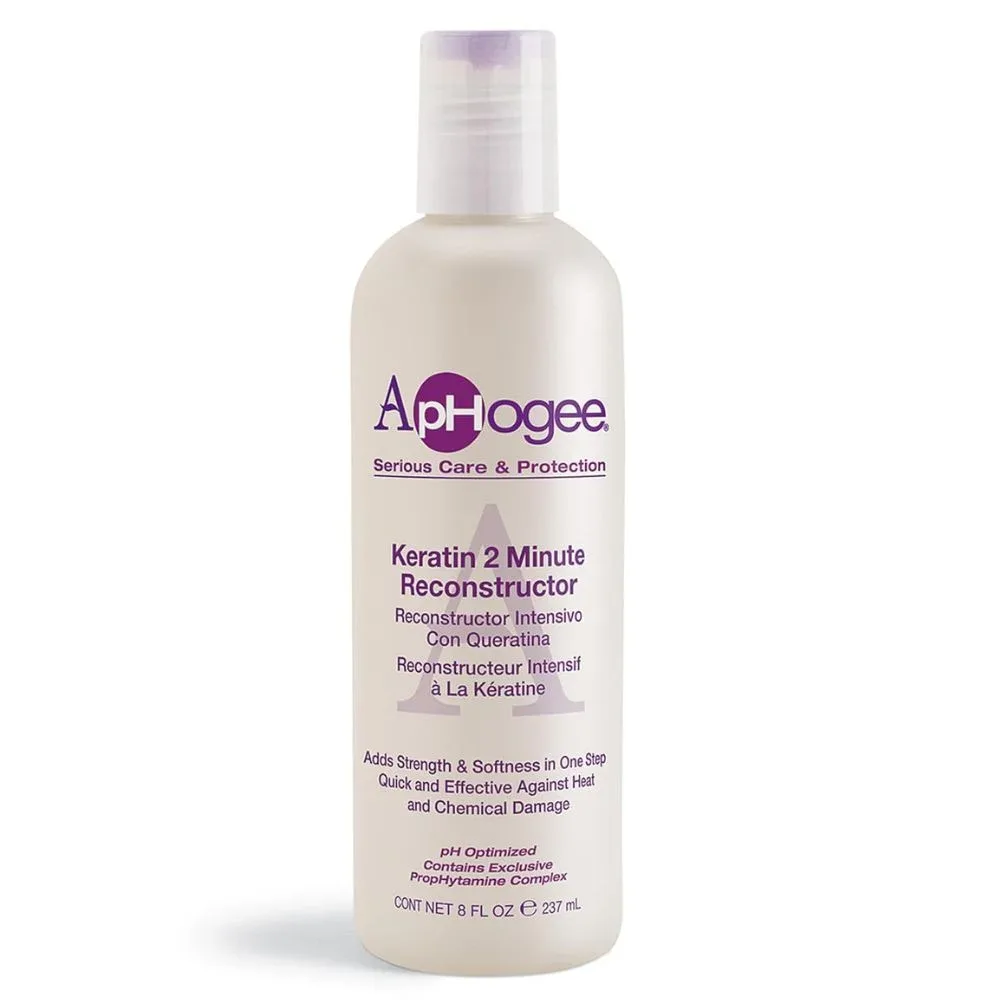
protein treatment
Aphogee Keratin
Why We Recommend It : Reinforces fragile strands with a balanced protein treatment to help reduce everyday breakage.
Why It Stands Out : Quick protein boost without the extra steps.
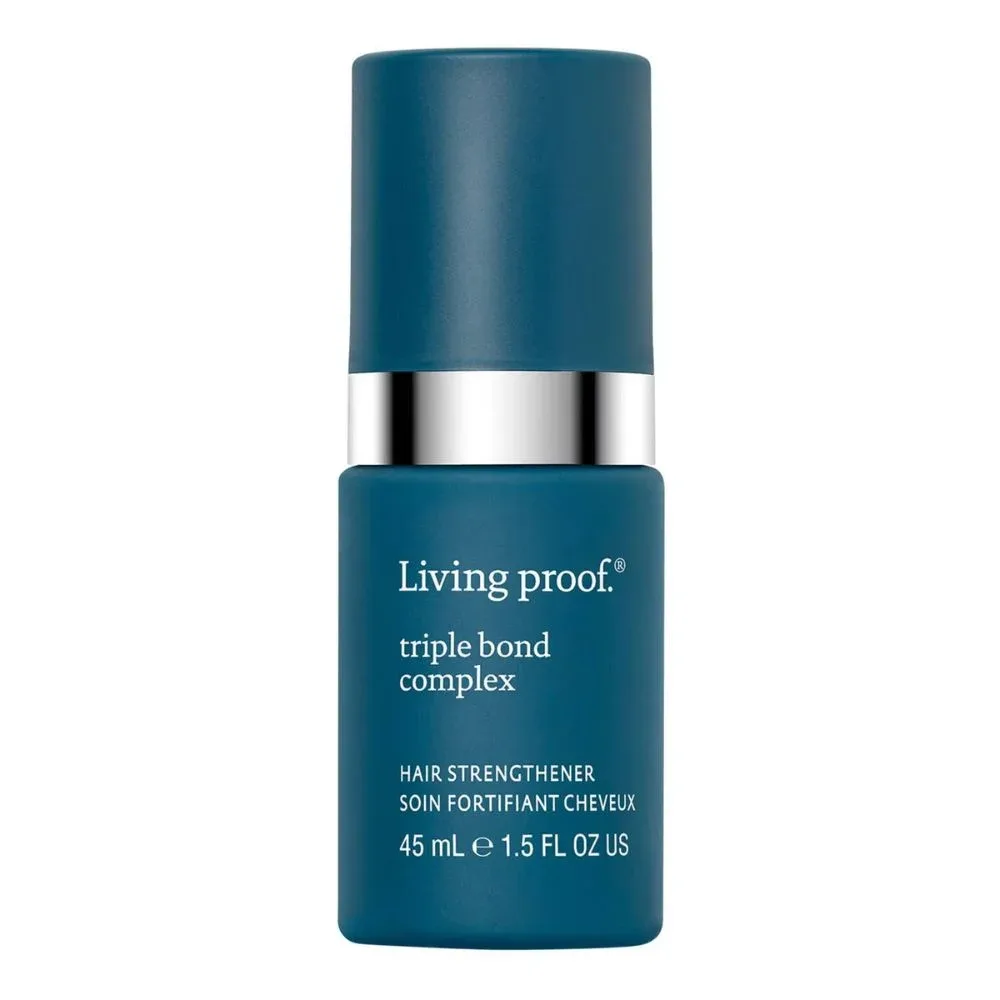
bond buiilder
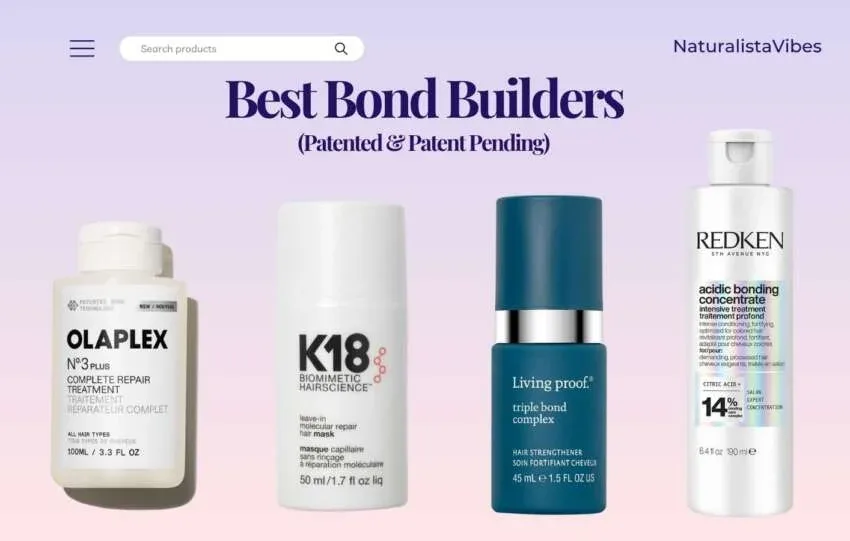
Living Proof Triple Bond
Why We Recommend It : Helps strengthen heat or colour-damaged hair while remaining lightweight enough for fine strands.
Why It Stands Out : Strengthens damaged hair without adding weight.
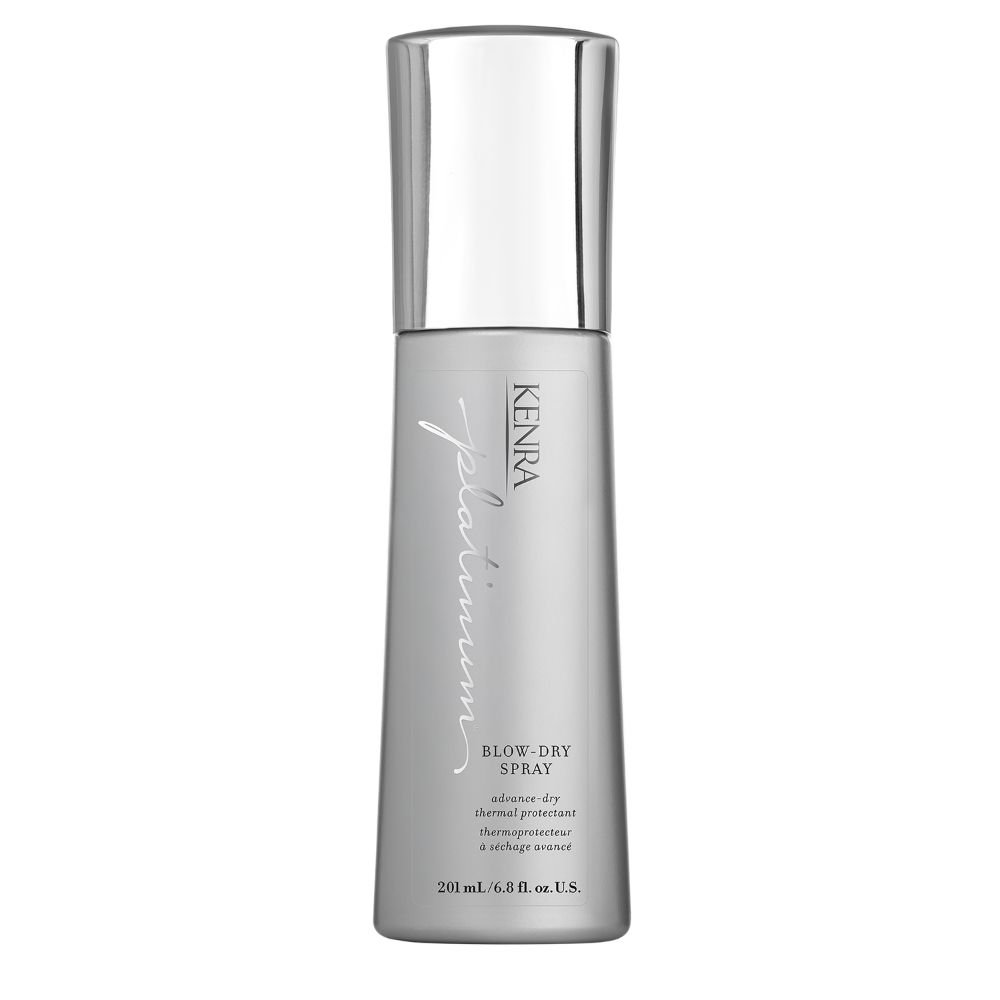
heat protectant
Kenra Blow-Dry Spray
Why We Recommend It : Protects against heat while smoothing hair and helping reduce blow-drying time.
Why It Stands Out : Helps maintain softness and natural movement.

lightweight oil
Amika Superfruit Star
Why We Recommend It : Adds shine and seals ends without weighing down fine Type 4 hair.
Why It Stands Out : Lightweight silicone blend reduces everyday frizz.
Why Fine 4C Hair Benefits Different Products
Fine 4C hair has a smaller strand diameter than medium or coarse hair. Rich creams, butters and oils can coat finer strands more easily because each hair is thinner. Layering several products or applying too much can increase buildup over time. While these products work well for some hair types, lightweight products often provide moisture, slip and conditioning without leaving fine strands coated.
Fine Hair Isn’t the Same as Thin Hair
Fine hair describes the diameter of each strand. Thin hair describes your hair density, or how many strands grow on your scalp. You can have fine hair with high density or coarse hair with low density. Understanding the difference helps you choose the best products for fine 4C hair instead of following advice for a different hair type.
Why Heavy Products Can Cause Buildup
Rich creams, butters and oils can leave more residue on finer hair because it has less structure to support heavier formulas. Layering several products or applying too much can increase buildup over time. Your hair may feel coated, limp or harder to manage. Clarify regularly and apply only the amount your hair needs to maintain healthy moisture levels without unnecessary buildup.
Why Lightweight Doesn’t Mean Less Moisturising
A lightweight formula isn’t automatically less moisturising. The ingredients and overall formulation matter more than the texture. Many products for fine hair combine water, humectants and conditioning agents to hydrate without weighing hair down. Choosing lightweight 4C hair products gives fine strands an excellent balance of hydration, softness and manageability.
Ingredients to Look for in 4C Hair Products
Choosing products for fine hair isn’t just about avoiding heavy formulas. The right ingredients can deliver moisture, slip and strength without weighing fine 4C hair down.
Hydrating Ingredients
Choose products that contain water alongside humectants such as glycerin, panthenol and honey. These ingredients attract and retain moisture within the hair. Aloe vera also provides lightweight hydration and improves manageability. Together, they keep fine 4C hair softer between wash days.
Conditioning Ingredients That Improve Slip
Fine hair can break more easily during detangling, so prioritise products with conditioning agents that improve slip. Behentrimonium methosulfate (BTMS), behentrimonium chloride, cetrimonium chloride and amodimethicone reduce friction between strands. They make tangles easier to remove and help minimise breakage.
Strengthening Ingredients
Fine strands benefit from occasional strengthening treatments. Look for hydrolysed proteins, including wheat, rice or quinoa protein, or products that use bond-building technology. These ingredients reinforce weakened hair and support breakage reduction. Balance protein with moisture to avoid stiffness.
Lightweight Oils and Emollients
Not all oils perform the same. Argan oil, grapeseed oil, squalane and jojoba oil smooth the hair and reduce moisture loss without leaving fine 4C hair feeling heavy. Richer butters and heavier oils still have a place in some routines. However, using too much can increase buildup and weigh hair down.
Film-Forming Ingredients That Reduce Friction
Film-forming ingredients create a lightweight coating around the hair shaft. They reduce friction, improve smoothness and protect the hair during styling. Common examples include amodimethicone, silicones, polyquaterniums and other film-forming polymers. You’ll often find them in leave-in conditioners, heat protectants and styling products. Despite their reputation, silicones can work well for fine 4C hair when you remove them with regular cleansing.

Ingredients to Use More Sparingly
Not every rich ingredient is a poor choice for fine 4C hair. Many 4C hair products contain nourishing butters, oils and occlusives that soften the hair and reduce moisture loss. Fine strands simply need smaller amounts more often than complete avoidance. The overall formula, how much you apply and how often you use it all affect performance.
Shea Butter
Shea butter is a rich emollient that softens the hair and reduces moisture loss. High concentrations can weigh down fine 4C hair, especially when you apply too much. Lighter formulas or smaller amounts often provide a better balance.
Castor Oil
Castor oil is thicker than most plant oils and helps seal in moisture. Applying too much can leave fine hair feeling greasy or coated. Products that blend castor oil with lighter oils often work better for finer strands.
Mineral Oil and Petrolatum
Mineral oil and petrolatum form a protective barrier that reduces water loss. They aren’t harmful to fine 4C hair, but frequent use without regular cleansing can increase buildup. Used correctly, they still have a place in a healthy hair care routine.
Heavy Waxes
Heavy waxes appear in many edge controls, pomades and styling products because they provide long-lasting hold. On fine hair, they can build up more quickly and leave strands feeling coated. Use them only when needed and clarify regularly to keep buildup under control.
Focus on the Formula, Not Individual Ingredients
Don’t judge a product by one ingredient alone. Consider the overall formula, the type of product and how much you apply. Those factors have a much greater impact on how products for fine hair perform than any single ingredient.
A Simple Product Routine for Fine 4C Hair
Building a routine for fine 4C hair doesn’t have to be complicated. In many cases, a few well-chosen products deliver better results than layering multiple creams, oils and treatments. Use this routine as a starting point and adjust it to suit your hair’s needs.
1. Optional: Pre-Poo
If your hair feels dry or tangles easily, apply a pre-poo before shampooing. Philip Kingsley Elasticizer provides an intensive conditioning treatment, while African Pride Moisture Pre-Shampoo adds slip and makes detangling easier before cleansing.
2. Shampoo
Cleanse your scalp and hair with a moisturising shampoo to remove dirt, oil and product residue without stripping moisture. If you notice significant buildup, start with a clarifying shampoo, such as K18 Peptide Prep Detox Shampoo. Follow with a moisturising shampoo like Design Essentials Almond & Avocado Moisturizing Shampoo.
3. Conditioner or Deep Conditioner
Condition your hair after every wash to restore moisture and improve slip for easier detangling. If your hair feels particularly dry or damaged, replace your regular conditioner with a deep conditioner. Briogeo Don’t Despair, Repair! Deep Conditioning Mask and Amika Soulfood Nourishing Mask both deliver lightweight moisture while keeping hair soft and manageable.
4. Leave-In Conditioner
Apply a leave-in conditioner after washing to hydrate your hair and prepare it for styling. Lightweight options, such as Pureology Color Fanatic Multi-Tasking Leave-In Spray, add moisture without weighing strands down. If you prefer a cream leave-in, choose a lightweight formula and use only as much as your hair needs.
5. Seal with a Lightweight Oil (Optional)
If your hair responds well to sealing, apply a small amount of lightweight oil to reduce moisture loss. Oils don’t moisturise the hair. They help lock in the moisture already inside the strands. Use a small amount to avoid weighing fine hair down.
6. Style as Desired
Finish with styling products that suit your hairstyle, whether that’s a mousse, styling cream or another lightweight styler. Fine 4C hair often responds better to light layering rather than several products applied at once.
7. Always Use Heat Protection
Whenever you blow dry, diffuse or use other hot tools, protect your hair with a heat protectant. Apply Kenra Platinum Blow-Dry Spray to damp hair before blow drying. If you straighten your hair afterwards, use a heat protectant designed for dry hair before using the flat iron.
Adjust Your Routine as Needed
Your routine doesn’t need every treatment on every wash day. Add products such as Living Proof Triple Bond Complex or ApHogee Keratin 2 Minute Reconstructor when your hair needs extra strengthening. Maintain a balance between moisture and strength. Consistency with the right products delivers better long-term results than an overcrowded routine.

Common Mistakes When Choosing Products for Fine 4C Hair
Choosing the right products for fine 4C hair isn’t just about buying products labelled for Type 4 hair. How you layer products, how much you apply and your hair’s individual characteristics all influence the results. Here are some common mistakes to avoid.
Buying Products Based Only on Curl Pattern
Your curl pattern is only one part of the picture. Strand thickness, density, porosity and your hair’s overall condition all affect which products work best. Many formulas marketed for Type 4 hair contain rich butters and oils that may feel too heavy for fine strands. Instead, prioritise products based on their formulation rather than the label on the packaging.
Layering Too Many Heavy Products
Layering products is common in Type 4 hair care, but combining several rich creams and oils can weigh fine strands down. Apply products from the lightest to the richest consistency. Remember, using more product doesn’t always produce better results. A simple routine with fewer products often works best.
Skipping Clarifying Shampoo
Even the best products become less effective when buildup accumulates. Clarify when needed to remove excess oils, styling products and residue. Follow with a moisturising shampoo or deep conditioner to restore hydration.
Assuming Oils Moisturise Hair
Oils reduce moisture loss by sealing hydrated hair, but they don’t replace water-based moisturising products. Apply a lightweight leave-in conditioner first, then seal with a small amount of oil if your hair benefits from it.
Overusing Protein Treatments
Protein treatments strengthen fine strands and reduce breakage, but using them too often can leave hair feeling stiff or brittle. Rather than following a fixed schedule, pay attention to how your hair responds. Alternate strengthening and moisturising treatments to maintain a healthy balance.
Final Thoughts: Keep It Simple
When I first started caring for my fine 4C hair, I assumed using more products would deliver better results. Over time, I realised that using less product, paying attention to how my hair responded and refining my routine made a much bigger difference.
The recommendations in this guide follow those same principles. They focus on lightweight formulas that deliver moisture, slip and strength without unnecessary buildup. Start with the essentials, give your hair time to respond and adjust your routine as your hair’s needs change. Consistency and choosing the right products will often deliver better results than an overflowing bathroom shelf.
Frequently Asked Questions About Fine 4C Hair Products
Fine 4C hair doesn’t need an extensive collection of products. For many people, a moisturising shampoo, conditioner or deep conditioner, leave-in conditioner, styler and, if needed, a lightweight sealing oil are enough. Add treatments such as protein, bond repair or clarifying shampoos only when your hair needs them. Using the right products consistently is often more effective than layering multiple products in the hope of better results.
Yes. Shea butter isn’t unsuitable for fine 4C hair, but its rich texture can leave finer strands feeling heavy or coated if you apply too much. Rather than avoiding it altogether, consider where it appears in the ingredient list, how the product is formulated and how your hair responds. Often, using less is more effective than avoiding the ingredient completely.
Greasy hair often results from applying more product than your hair needs, layering several products together or not removing buildup regularly. Fine 4C hair has a smaller strand diameter, so rich creams and oils coat the hair more easily than they do medium or coarse strands. Choose lighter formulations, apply smaller amounts and clarify when needed to keep your hair moisturised without feeling greasy.
There isn’t a one-size-fits-all schedule. If you regularly use styling products, oils or silicones, clarifying every 3–6 weeks is a good starting point. If your hair starts feeling coated or dull, or your usual products no longer perform as well, it may be time to clarify sooner. Always follow with a moisturising conditioner or deep conditioner to help restore softness and hydration.
Fine 4C hair can benefit from protein because finer strands are often more vulnerable to breakage. However, protein should complement a moisturising routine rather than replace it. If your hair feels weak, overly stretchy or breaks easily, a strengthening treatment may help. If it starts to feel stiff or brittle, reduce how often you use protein and focus on restoring moisture.
Fine hair describes the diameter of each strand, while thin hair refers to density, or the number of strands growing on your scalp. You can have fine hair with high density or coarse hair with low density, so the terms aren’t interchangeable. Understanding the difference makes it easier to choose products that suit your hair rather than following advice based on density alone.