
Share This Article
This post may contain affiliate links and we may get paid a small commission if you click on a link.
Please read our privacy policy and cookie policy.
You’ve probably heard that you should use a clarifying shampoo, but do you really need one for your Type 4 hair? It’s understandable to worry about stripping your hair of its natural oils. However, leave-in conditioners, oils, gels, and other styling products can accumulate over time, leaving your strands feeling coated, dull, or weighed down.
The right clarifying shampoo helps remove stubborn buildup without leaving your hair feeling excessively dry. It doesn’t need to replace your moisturizing shampoo, but it can complement your routine when a deeper cleanse is needed.
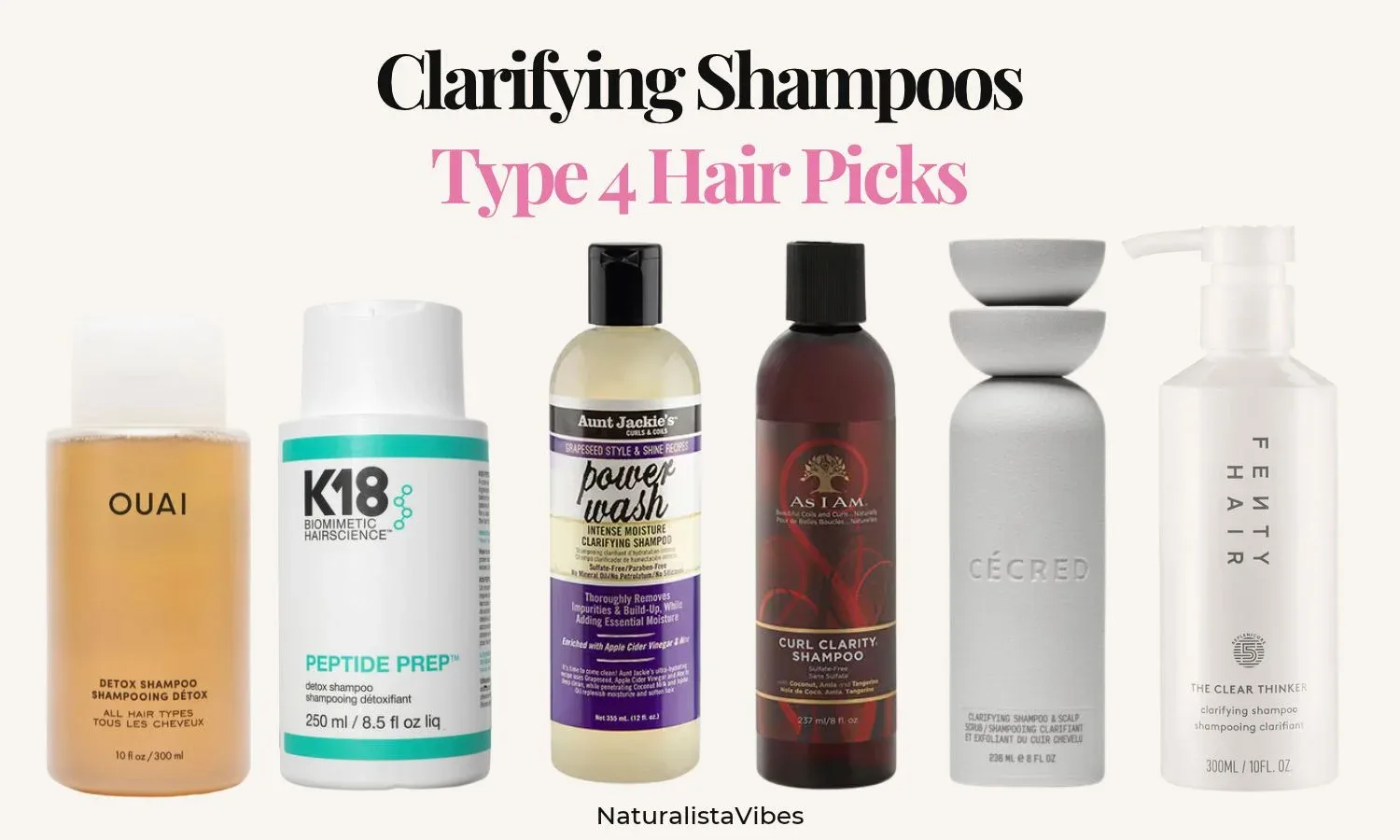
In this guide, we’re reviewing seven of the best clarifying shampoos for Type 4 hair, plus tips for choosing the right formula.
What’s the Difference Between Clarifying and Chelating Shampoo?
Clarifying and chelating shampoos are often confused, but they don’t perform exactly the same function.
Clarifying shampoos are formulated to remove accumulated oils, styling products, sebum and other residue from the hair and scalp. They primarily rely on surfactants to lift and wash away this buildup. Chelating shampoos contain ingredients that bind certain metal ions, including calcium and magnesium associated with hard water, helping remove mineral deposits during washing.
The important distinction is that a chelating shampoo can also clarify. Many modern formulas combine cleansing surfactants with chelating agents, so the two categories overlap. For example, K18 contains sodium phytate, OUAI uses several chelating agents, and Kinky-Curly Come Clean contains phytic acid.
You don’t necessarily need a dedicated chelating shampoo if your main concern is ordinary product buildup rather than hard-water deposits.
Best Clarifying Shampoos for Type 4 Hair
Best overall
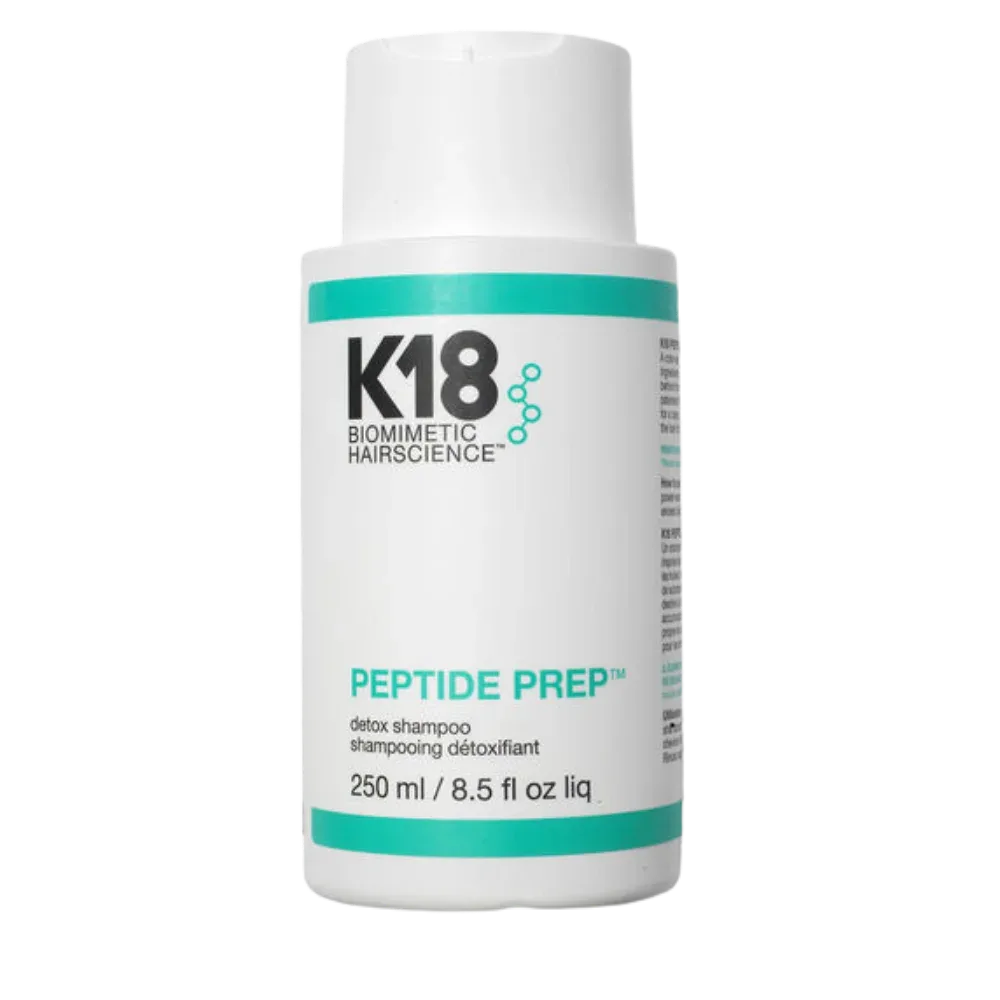
K18 PEPTIDE PREP Detox
Product type: Clarifying shampoo
Cleansing focus: Product buildup, excess oil and some metal deposits
Ideal for: Type 4 hair with frequent styling product use
Why we chose it: K18 combines sodium C14-16 olefin sulfonate with salicylic acid, charcoal and sodium phytate to help remove stubborn residue. Its acidic pH is another interesting formulation feature. Having used it on my fine Type 4 hair, I’ve found it removes buildup effectively without leaving my strands feeling excessively stripped.
Keep in mind: K18 sits at a premium price point. Although it contains a chelating ingredient, it shouldn’t automatically be considered the best option for every type of hard-water buildup.
Best for hard water
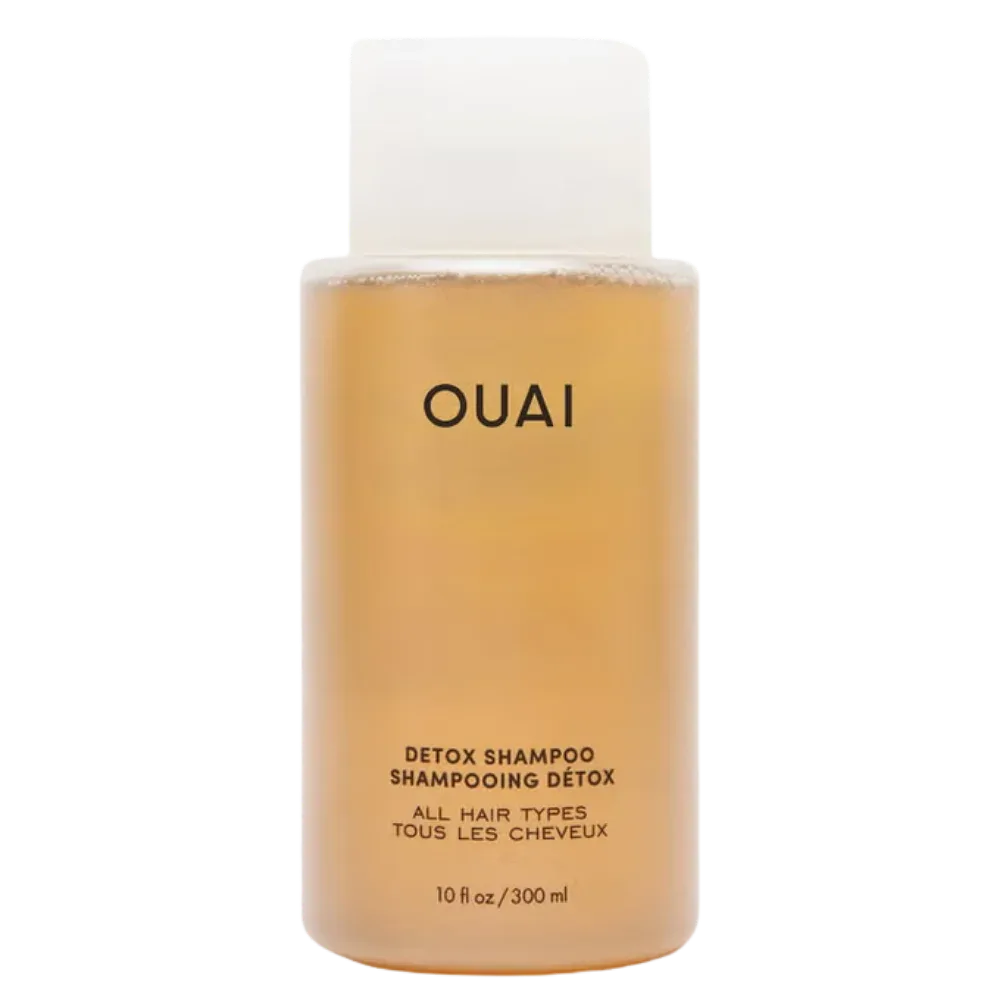
OUAI Detox Shampoo
Product type: Clarifying & chelating
Cleansing focus: Styling residue and hard-water minerals
Ideal for: Natural hair regularly exposed to hard water
Why we chose it: OUAI combines sodium C14-16 olefin sulfonate with chelating agents, including tetrasodium EDTA and trisodium ethylenediamine disuccinate. This makes it a useful option for targeting both styling residue and hard-water mineral deposits.
Keep in mind: A chelating shampoo isn’t necessary for every wash day. If your main concern is routine product buildup rather than mineral deposits, a conventional clarifier may be sufficient.
Best for ROUTINE CLARIFYING
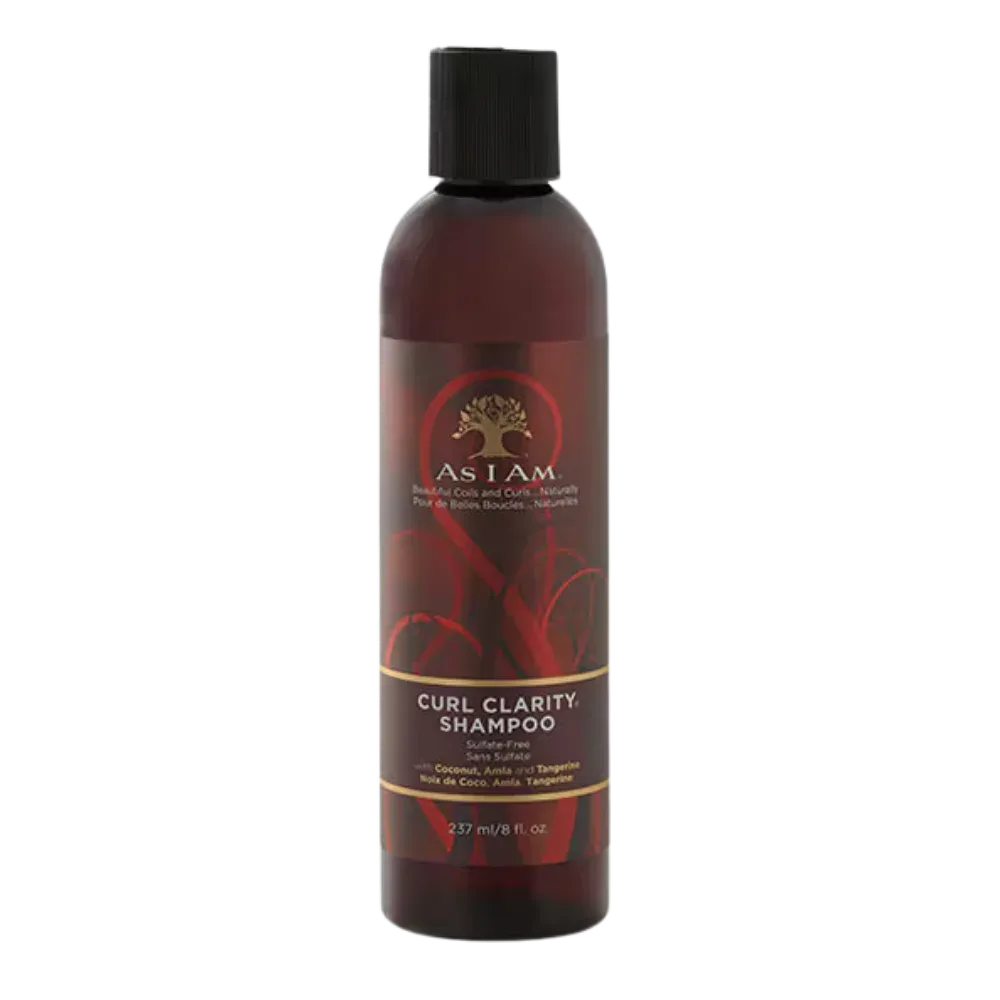
As I Am Curl Clarity Shampoo
Product type: Clarifying shampoo
Cleansing focus: Styling residue and excess oils
Ideal for: Natural hair needing a straightforward clarifying wash
Why we chose it: As I Am Curl Clarity uses sodium lauroyl sarcosinate and cocamidopropyl betaine to cleanse without relying on a long list of conditioning oils or butters. Its relatively simple formula makes it a practical option for removing everyday styling residue, particularly when you want a dedicated clarifier without a premium price tag.
Keep in mind: It isn’t specifically marketed as a hard-water treatment, so readers concerned about significant mineral deposits may prefer a shampoo with a more clearly defined chelating system.
Best for MANAGEABILITY
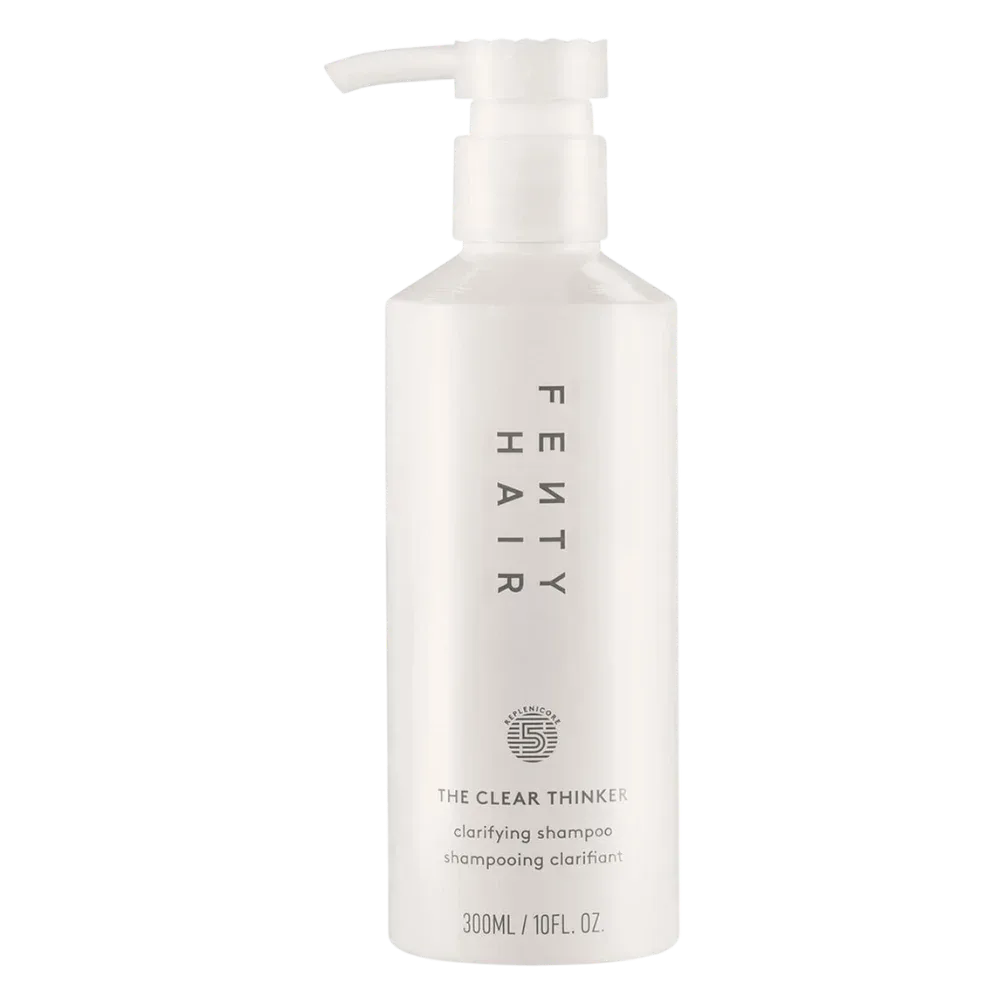
Fenty Hair The Clear Think’r
Product type: Clarifying shampoo
Cleansing focus: Product buildup with conditioning support
Ideal for: Type 4 hair prone to tangling after cleansing
Why we chose it: Fenty combines cleansing surfactants with panthenol, amino acids, and a conditioning polymer that helps support softness and detangling. This makes it a promising option for readers who want to remove buildup while keeping their hair easier to manage.
Keep in mind: Conditioning ingredients don’t guarantee a shampoo will feel gentle on every hair type. Its fragranced formula may also be unsuitable for those sensitive to fragrance.
Best scalp scrub
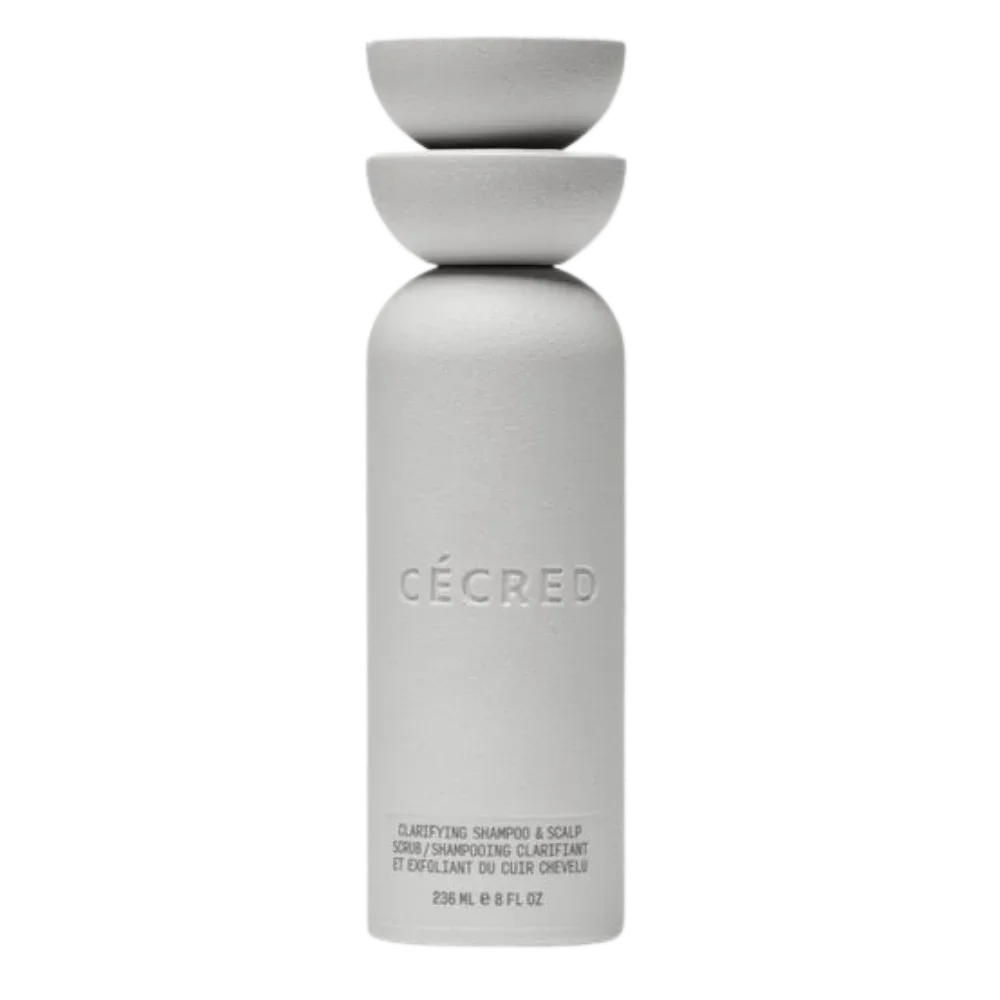
Cécred Clarifying & Scalp Scrub
Product type: Clarifying & scalp scrub
Cleansing focus: Scalp residue and product buildup
Ideal for: Natural hair routines involving heavy styling products
Why we chose it: Cécred combines cleansing surfactants with microcrystalline cellulose for physical exfoliation. Unlike a conventional clarifying shampoo, it provides an additional scalp-scrubbing action, making it a distinct option for readers who prefer an exfoliating cleanser.
Keep in mind: Physical exfoliation isn’t essential for a healthy scalp. Use gentle pressure and avoid scrubbing irritated or sensitive areas, particularly if you experience tenderness or bumps.
Best AFFORDABLE CHELATING OPTION
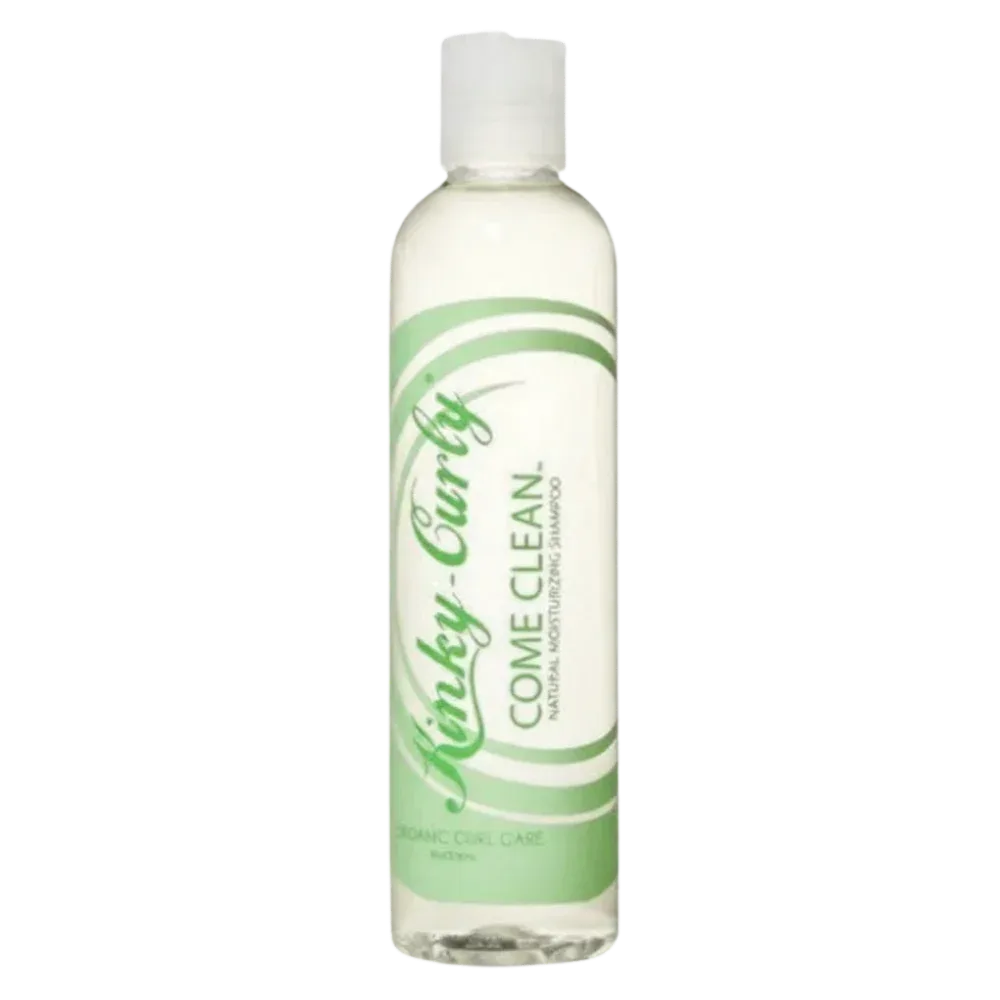
Kinky-Curly Come Clean
Product type: Clarifying with chelating ingredients
Cleansing focus: Product residue and hard-water minerals
Ideal for: Natural hair exposed to hard water
Why we chose it: Kinky-Curly Come Clean contains phytic acid, a chelating ingredient capable of binding certain mineral ions, including calcium and magnesium. This gives it an interesting role for readers concerned about hard-water deposits without necessarily investing in a premium detox shampoo.
Keep in mind: The presence of phytic acid doesn’t establish how effectively the finished formula removes mineral deposits compared with dedicated chelating treatments. Results will depend on the complete formulation and individual water conditions.
Best budget for heavy build up
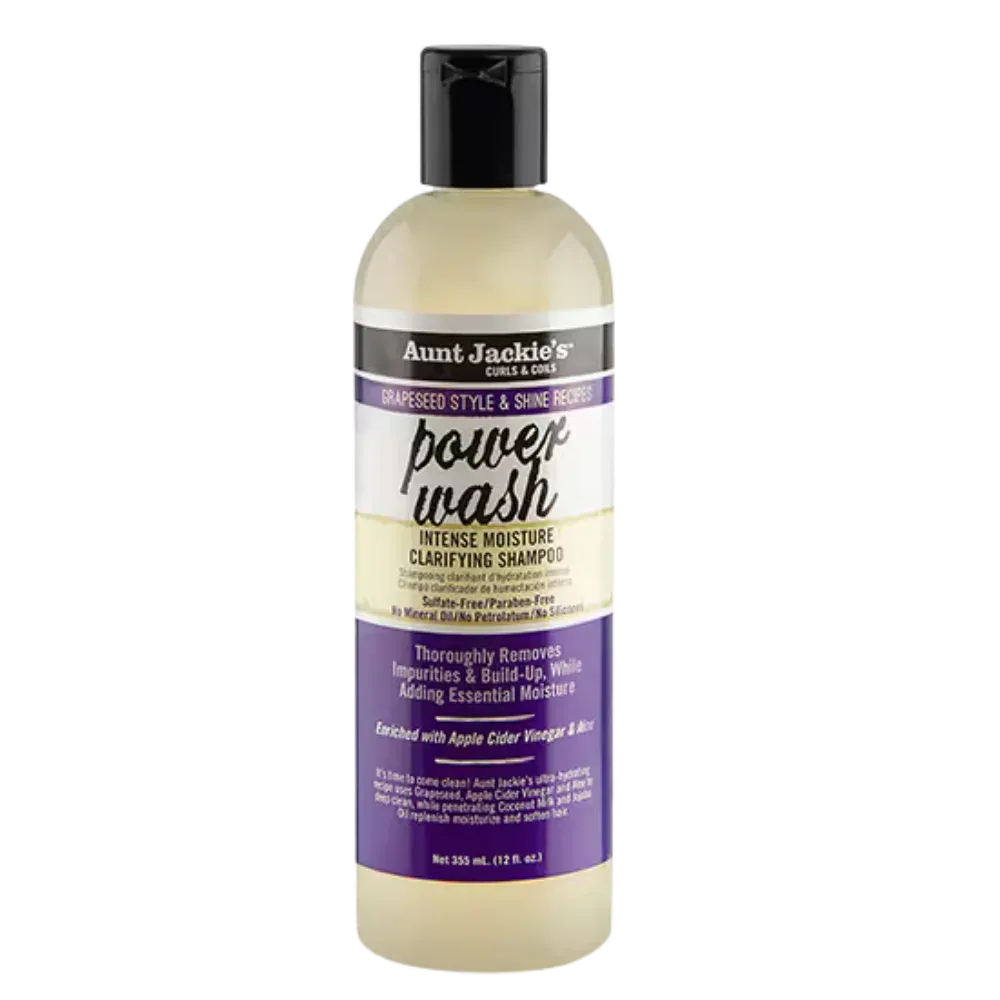
Aunt Jackie’s Power Wash
Product type: Clarifying shampoo
Cleansing focus: Heavy styling residue and oils
Ideal for: Natural hair with stubborn product buildup
Why we chose it: Aunt Jackie’s Power Wash combines cleansing surfactants with ingredients such as glycerin and aloe. It’s an affordable option for removing stubborn residue, and one I’ve personally found particularly effective at getting my hair thoroughly clean after product-heavy styling.
Keep in mind: Despite its moisture-focused name, this is still a deep-cleansing shampoo. In my experience, following it with a moisturizing shampoo helps restore softness and makes the rest of wash day more manageable.
How to Choose a Clarifying Shampoo for Natural Hair
With so many clarifying shampoos available, choosing the right one can feel confusing. Here are three things to consider before deciding which formula suits your hair.
Consider Your Buildup
Not all buildup is the same. Styling products such as gels, edge controls and oils leave residue that clarifying shampoos are designed to remove. Hard water, however, contains minerals such as calcium and magnesium that can accumulate on the hair.
If hard-water deposits are a concern, look for a shampoo containing chelating ingredients, which help bind mineral ions. Some clarifying shampoos already contain these ingredients, so you don’t necessarily need two separate products.
Look Beyond Sulfate-Free Labels
Sulfate-free shampoos have become popular in the natural hair community, but sulfate-free doesn’t automatically mean gentler or more effective. Cleansing surfactants contain water-attracting and oil-attracting components that help lift oils, dirt and product residue so they can be rinsed away.
What matters is how these surfactants work together within the overall formulation. A well-formulated shampoo should provide effective cleansing without causing unnecessary dryness.
Consider Your Hair’s Needs
Type 4 hair isn’t one-size-fits-all. Fine strands, coarse strands and colour-treated or damaged hair may respond differently to deep cleansing. If your hair is fine and easily weighed down, removing accumulated residue may improve how it feels and behaves. If your strands are particularly dry, damaged or prone to tangling, consider how the shampoo affects manageability and follow with appropriate conditioning.
The goal is to choose a cleanser that removes the buildup you’re dealing with while supporting the condition of your hair.
How Often Should You Clarify Type 4 Hair?
Clarifying once a month can be a useful starting point, but how often you need to clarify depends on your routine. If you regularly use edge control, heavy butters, oils, or styling gels, you may need to clarify more frequently to remove accumulated residue.
Some signs that your hair may need clarifying include:
- Hair feels coated or waxy, even after washing.
- Products seem to sit on your strands rather than spreading or absorbing as they usually do.
- Hair looks dull or feels weighed down, despite your usual routine.
If you’re unsure whether your hair needs a deeper cleanse, explore our guide to identifying and removing product buildup in natural hair.
Clarifying vs Moisturizing Shampoo: What’s the Difference?
Clarifying shampoos focus on removing accumulated oils, styling products, and stubborn residue, while moisturizing shampoos cleanse the hair with an emphasis on softness and manageability. Both have a place in your natural hair routine, but they serve slightly different purposes. Clarifying shampoos generally provide a deeper cleanse, which can leave hair feeling drier, while moisturizing shampoos often contain conditioning ingredients that help reduce friction and make detangling easier.
Looking for a shampoo that cleanses without leaving your Type 4 hair feeling overly dry? Explore our guide to the best moisturizing shampoos for 4C hair to find the right formula for your routine.
How to Clarify Natural Hair Without Excessive Dryness
Clarifying removes stubborn buildup, but it shouldn’t leave your Type 4 hair excessively dry. A few adjustments to your wash-day routine can help maintain softness and reduce tangling. Here are four ways to minimize excessive dryness:
- Choose a suitable formula: Not every clarifying shampoo is equally strong. Look for one that effectively removes buildup without leaving your hair feeling excessively stripped.
- Consider a pre-poo treatment: Applying a conditioning treatment before shampooing may help reduce friction and tangling during washing.
- Follow with a moisturizing shampoo if needed: A second shampoo isn’t essential, but you can use one after clarifying if it suits your routine.
- Deep condition afterward: Use a deep conditioner to improve softness, reduce friction, and make detangling easier after cleansing.
Not sure where clarifying fits into your routine? Our simple natural hair wash day routine walks you through the essential steps.
Frequently Asked Questions about Clarifying Natural Hair
Yes, but choose a formula suitable for color-treated hair. Some clarifying shampoos may accelerate color fading, particularly with frequent use. If you’ve recently colored your hair, follow your colorist’s advice on when to resume clarifying.
Yes. A clarifying shampoo can replace your regular shampoo when your hair needs a deeper cleanse. You don’t need to use both shampoos during the same wash day. Follow your clarifying shampoo with conditioner, or use a moisturizing shampoo afterward if you prefer a second cleanse.
Clarifying shampoo can remove product residue and excess oil, but it doesn’t treat the underlying causes of dandruff. If you’re experiencing persistent flakes, itching, or irritation, a targeted dandruff shampoo or advice from a dermatologist may be more appropriate.
Yes. Low-porosity hair has a relatively compact cuticle structure, but that doesn’t mean it can’t accumulate product residue. Heavy butters, oils, and styling products can leave strands feeling coated or weighed down. Clarifying helps remove this buildup, but you don’t need a stronger shampoo simply because your hair is low porosity.
Final Thoughts
The best clarifying shampoo for natural hair depends on the type of buildup you’re dealing with, the formula, and your individual hair needs. Clarifying is an important part of a healthy haircare routine, but how often you need to do it will depend on your styling habits and product use.
Our product recommendations are a useful starting point, but finding the right shampoo may take some trial and error. If you’re hesitant to invest in a full-size bottle, consider trying a travel size first, where available, to see how your hair responds.