
Share This Article
This post may contain affiliate links and we may get paid a small commission if you click on a link.
Please read our privacy policy and cookie policy.
Heat was once considered a complete no go in the natural hair community. Now, straight naturals and blowout naturals are challenging that longstanding rule after seeing how stretched hair can support more manageable routines and, in some cases, better length retention.
So, can a natural hair blowout make Type 4 hair easier to manage without compromising its health? We will explore the potential benefits of stretched hair and explain how to achieve a blowout with less risk of heat damage and breakage.
Key Takeaway
A natural hair blowout can make Type 4 hair easier to manage and may support length retention by reducing knots and manipulation. The benefits depend on controlling heat, tension and repetition while preserving your hair’s strength and ability to revert.
What Is a Natural Hair Blowout?
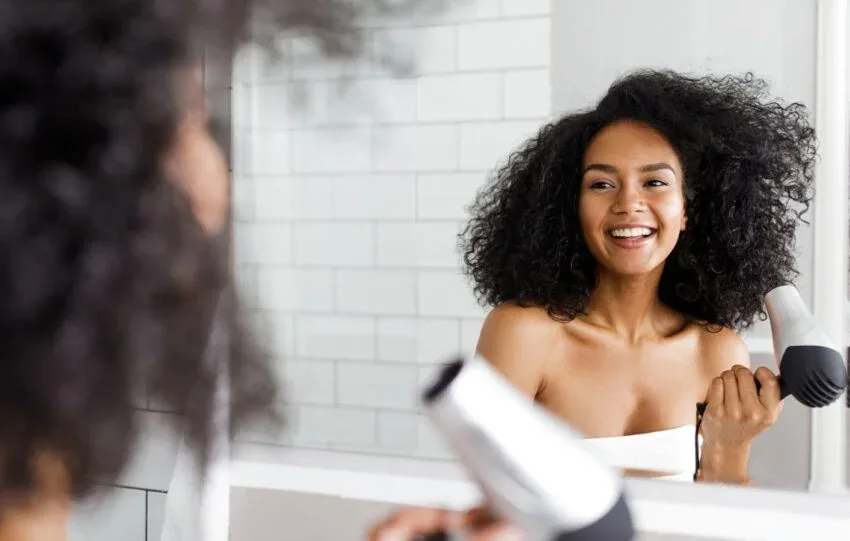
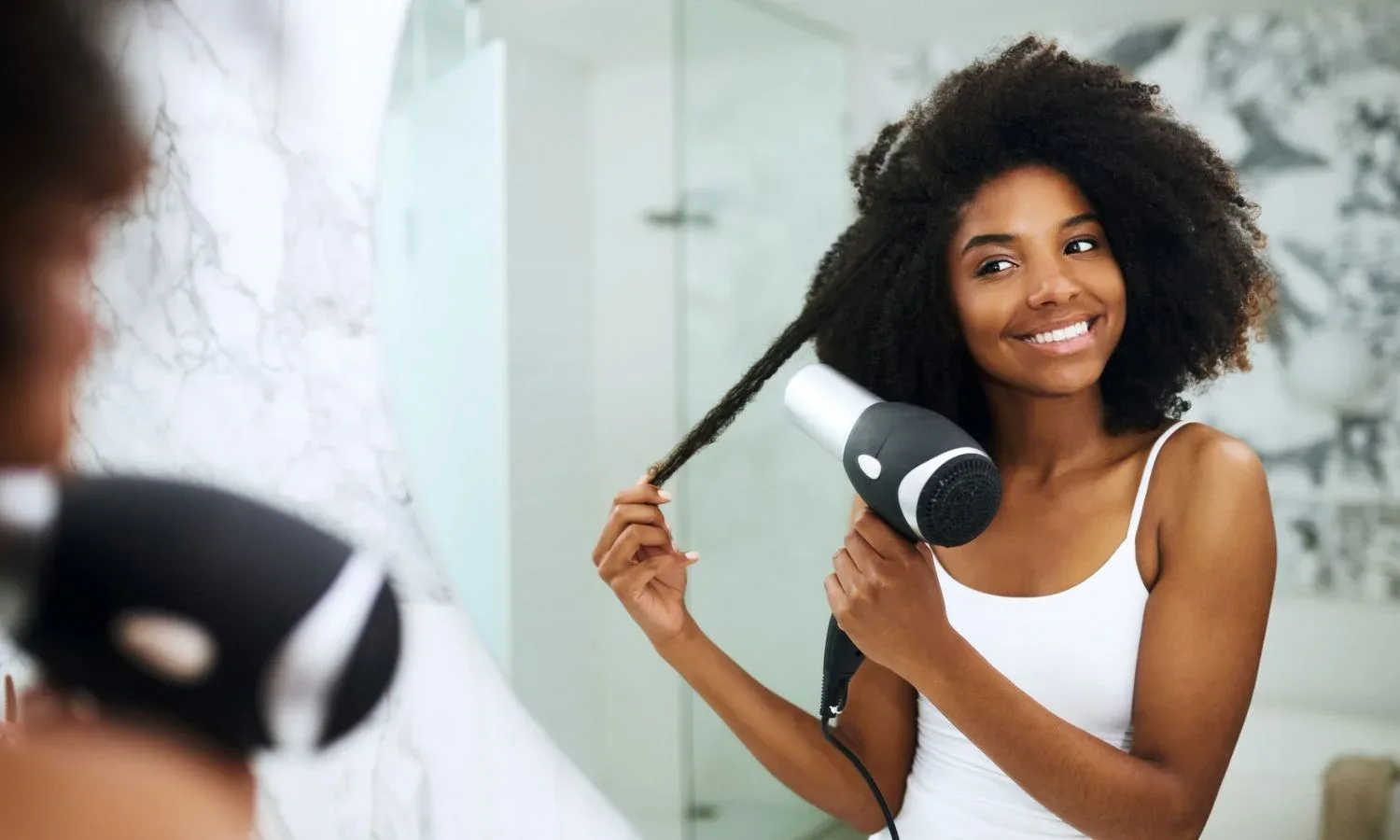
A natural hair blowout is a styling method used to stretch your curls with heat. It combines controlled heat from a blow dryer with directed airflow and gentle tension to dry and elongate your natural hair.
When done properly, a blowout leaves your hair looking fluffy, voluminous and visibly stretched. It does not need to be bone straight. Your natural texture may still be visible, but the difference between your shrunken curl pattern and the finished result should be noticeable. Unlike a silk press, a natural hair blowout does not require a flat iron, so the finished hair usually retains more texture and volume.
Why Are More Naturals Wearing Stretched Hair?
Over the last few years, straight naturals and blowout naturals have been sharing how stretched hair has transformed their routines. Many have seen noticeable improvements in length retention after switching from regularly wearing their hair shrunken to keeping it stretched.
This makes practical sense. Stretched strands have fewer opportunities to curl tightly around themselves. This can mean fewer knots, easier detangling and less manipulation. When these changes lead to less breakage, more of the hair you grow remains on your head.
- Fewer single strand knots: In its shrunken state, Type 4 hair can curl around itself and form knots that catch on nearby strands. Keeping the hair elongated may reduce how frequently this happens.
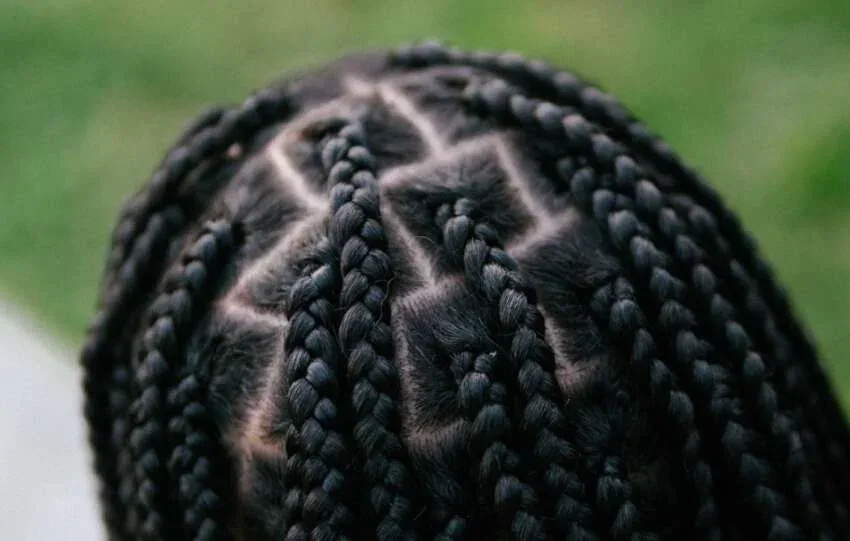
- Easier detangling and sectioning: Stretched strands can be easier to separate for buns, twists, cornrows and braids. The hair still requires gentle handling, particularly when it is dry.
- A clearer view of your ends: A blowout can make split ends, thinning areas, uneven lengths and single strand knots easier to see. This can help you make more informed trimming decisions.
The results still depend on how the hair is stretched and maintained. A blowout routine can support length retention when it reduces knots and handling, but excessive heat, strong tension and constant brushing can create the breakage and heat damage that the routine is meant to prevent.

Can You Blow Out Type 4 Hair Without Heat Damage?
You can blow out Type 4 hair without experiencing obvious changes to its strength or curl pattern, but no heat styling method can guarantee zero damage. Your strand thickness, hair condition and technique will influence how your hair responds. Fine natural hair may need lower tension and fewer repeated passes.
A blowout does not include the direct contact heat of a flat iron, but following it with a silk press adds another source of thermal exposure. When blow drying, focus on three factors: heat, tension and repetition.
Heat
Temperature, dryer distance and exposure time can all affect the level of damage. Research examining repeated blow drying found that damage to the hair surface increased as the temperature rose. In the conditions tested, keeping the dryer approximately 15 centimetres away and moving it continuously caused less damage than using it at closer distances and higher temperatures.1
The study was not specific to Type 4 hair and does not establish one safe setting for everyone. However, it supports avoiding concentrated high heat and keeping the dryer moving.
Tension
Brushes and comb attachments can pull, snag and break the hair, even when you use a lower heat setting. Controlled heat can still be undermined by aggressive pulling, so your tool should move through each section without constant snagging or force.
RevAir uses reverse airflow to stretch the hair without a traditional brush and blow dryer technique. Dyson dryers regulate temperature while providing strong airflow, although the amount of tension still depends on the attachment and method used.
You do not need an expensive tool to achieve a good blowout. A conventional blow dryer with a paddle brush or comb attachment can create enough tension for a smooth, stretched result.
Repetition
Repeated passes, frequent blowouts and heat between wash days all increase cumulative exposure. Once a section is dry and sufficiently stretched, move on instead of continuing to apply heat.
How to Blow Out Natural Hair With Less Breakage
These steps can help you achieve a soft, stretched blowout while reducing thermal and mechanical damage.
1. Start With Clean, Conditioned Hair
Begin with freshly washed hair so dirt, oil and product buildup have been removed. Follow your shampoo with a conditioner that provides enough slip to soften and detangle your strands. You can also use a mask if your hair needs additional conditioning.
The key is to moisturise your strands and lock in moisture before blow drying. Applying more water based products once your hair is stretched can cause it to revert, so your wash day preparation needs to keep your hair soft until the next wash.
2. Detangle and Divide Your Hair Into Manageable Sections
Always detangle before using your blow dryer. Your brush or comb attachment should stretch hair that is already detangled rather than pulling through knots for you.
Divide your hair into manageable sections to keep it organised and prevent loose strands from coiling around each other. Use less tension around your hairline and avoid repeatedly brushing thin, split or weathered ends.
3. Remove Excess Water Gently
Blot or squeeze your hair until it is damp rather than dripping wet. This can reduce drying time and limit heat exposure. Use a microfibre towel or soft cotton T shirt and avoid rubbing your strands. Do not allow Type 4 hair to dry so much that it begins to shrink and tangle before you start the blowout.
4. Apply Heat Protectant Evenly
Apply your heat protectant according to the product directions. Work in sections to create even coverage from the roots to the ends rather than concentrating the product on the surface of your hair.
Heat protectant can help reduce thermal stress and friction, but it cannot compensate for excessive temperatures or repeated passes. If you need help choosing a formula, read our guide to the 14 best heat protectants for natural hair, where we explain the ingredients and how they help protect your strands.
5. Choose Your Blow Drying Method
Choose a method that suits your hair, experience and preferred finish.
- Tension method: Hold the section stretched with your hand while directing airflow along the hair. Less contact with a brush or comb may make this suitable for fine or fragile strands.
- Comb attachment: This can stretch and dry hair efficiently but may snag strands that are not fully detangled. Check that the teeth and connecting seams feel smooth.
- Paddle or round brush: These brushes can produce a smoother finish but introduce more tension. Use small sections and never force the brush through resistance.
The video below demonstrates the tension method for stretching natural hair with a blow dryer.
7. Use Controlled Heat and Keep the Dryer Moving
Begin with a low or moderate setting and increase it only when necessary. Prioritise efficient airflow rather than automatically using the highest temperature. When using a concentrator nozzle, direct the airflow from the roots towards the ends. Keep the dryer moving instead of concentrating heat on one area.
Once a section is dry and stretched, move on. Check that the roots and inner layers are also dry, since dense Type 4 hair can feel dry on the surface while moisture remains underneath.
8. Stop When Your Hair Is Stretched Enough
A blowout for trimming, twists or braids does not need to be bone straight. Your desired style should determine how far you stretch your hair.
A smooth and bouncy result depends on preparation, section size, tension and technique rather than simply using more heat. It may take a few attempts to find what works, so do not be discouraged if your first blowout is not as sleek or fluffy as expected.
Signs Your Blowout Routine May Be Causing Damage
When heat is part of your regular routine, pay attention to changes in your hair’s texture, strength and curl pattern. One blowout does not always cause obvious damage, but repeated heat can weaken your hair when warning signs are ignored.
Remember, heat is not automatically the enemy. How you use it matters. Here are six signs to watch for.
- More short broken hairs: Short pieces on your clothes, tools or floor may indicate breakage. A shed strand releases from the follicle and may have a small club shaped bulb at one end. Brushes with ball tipped bristles can catch Type 4 hair when sections are tangled or forced through resistance. Our guide to 4C hair breakage explains the other forms of mechanical stress that can cause strands to snap.
- Thinner or more transparent ends: Your ends may look thinner or less even when breakage outpaces retention. Fine hair naturally appears more transparent than coarse hair, so look for a noticeable loss of fullness compared with your previous blowouts.
- Increased roughness and brittleness: Hair that feels increasingly rough, stiff or brittle after blow drying may be weathered by repeated heat and handling. Assess how it feels after cleansing because styling products can temporarily disguise roughness.
- More tangles and single strand knots: A stretched routine should make your hair easier to manage. Increasing tangles or knots may mean that roughened strands are catching on each other.
- Reduced curl reversion: Hair that has not been permanently altered by heat should return towards its usual curl pattern after thorough cleansing and saturation. Sections that remain straight, limp or loose after several washes may have experienced heat damage.
- Thinning around the hairline: The perimeter often receives extra heat and tension because it reverts quickly. Root touch ups apply more heat to dry hair that may already be coated with leave in conditioner, heat protectant or serum. Repeating this between wash days can contribute to dryness and breakage around the hairline, so try to leave reverted roots alone until your next wash.
If you notice several signs at once, reduce your heat use and reassess your tools, technique and blowout frequency.
How to Maintain Stretched Hair Without More Heat
Once your natural hair is blown out, the aim is to minimise heat touch ups and preserve the stretched result for as long as possible.
- Match your nighttime method to your finish: Wrap smoother or silk pressed hair to preserve a straighter result. Use large flexi rods if you want to maintain volume and bounce. Choose loose braids or twists only if you want to add waves or texture to your blowout.
- Choose low manipulation styles: Wear loose buns, claw clip styles and simple updos during the week.
- Protect against shower steam: Wear a satin scarf underneath a shower cap to prevent moisture from reaching your hair.
- Accept some reversion: Avoid repeatedly applying heat whenever your roots begin to puff. If they become damp, use cool airflow to help dry them without trying to restraighten your hair with heat.
- Protect your hair during exercise: Put your hair in a high ponytail, loose bun or wrap and secure your hairline with a moisture wicking sweatband. After exercising, allow your scalp and roots to dry completely before taking your hair down.
How Often Should You Blow Out Natural Hair?
There is no universal schedule for blowing out natural hair. Some naturals find that their hair tolerates a blowout every wash day, while others use heat monthly or only a few times a year. The right frequency depends on your strand thickness, current hair condition, technique and total heat exposure.
Your wider styling routine also matters. Following a blowout with a flat iron adds direct heat, so silk presses may require more time between sessions. Bleached or permanently coloured hair may also need a more conservative routine because chemical processing can leave strands more vulnerable to heat and mechanical stress.
Monitor broken pieces, tangles, the fullness of your ends and how well your curls revert. These changes will tell you more than following someone else’s schedule. Regular trims can remove split or weathered ends, but they cannot prevent heat damage. If your hair becomes increasingly brittle or difficult to revert, reduce your blowout frequency and reassess your technique.
Final Thoughts
Wearing stretched hair can be a practical choice, but it is not a requirement or a rejection of your natural texture. The best routine is one that suits your lifestyle and makes your hair easier to manage.
Focus on controlling heat, tension and repetition rather than achieving the straightest possible finish. Ask whether detangling feels easier, you notice fewer knots and less breakage, your curls still revert and the routine feels sustainable. A successful blowout should improve manageability without sacrificing the strength of your hair.
Frequently Asked Questions About Natural Hair Blowouts
For a traditional blowout, begin with damp hair rather than hair that is soaking wet or completely dry. Gently remove excess water to reduce drying time, but do not allow Type 4 hair to shrink and tangle before you begin. Work in sections so the hair dries and stretches evenly. Make sure the roots and inner layers are fully dry before moving to the next section.
There is no single heat setting suitable for all 4C hair. Start with a low or medium setting and increase it only when necessary. Your strand thickness, density, existing damage and styling tool matter more than curl type alone. Prioritise controlled heat and efficient airflow rather than automatically using the highest temperature.
Hair that has not been permanently altered by heat should return towards its usual curl pattern after thorough washing and saturation. If sections remain unusually straight or limp after several washes, reduce your heat use and assess your routine.
Conditioning, protein and bond building products may improve the strength, feel or appearance of damaged hair, but they cannot restore a permanently altered curl pattern.
Yes, you can blow out natural hair before braids to reduce shrinkage and make sectioning easier. However, the hair does not need to be bone straight. Stretch it only as much as needed for the style and avoid excessive heat or tension before installing the braids.
A natural hair blowout can last from several days to around two weeks, depending on humidity, exercise, hair characteristics and nighttime maintenance. Wrapping can preserve a straighter finish, while large flexi rods can maintain volume. Use braids or twists when you want to add texture to the blowout.
Sources
- Lee Y, Kim YD, Hyun HJ, Pi LQ, Jin X and Lee WS. Hair Shaft Damage from Heat and Drying Time of Hair Dryer. Annals of Dermatology. 2011;23(4):455–462. ↩︎