

Share This Article
This post may contain affiliate links and we may get paid a small commission if you click on a link.
Please read our privacy policy and cookie policy.
Noticing thinner edges after taking down a protective style can feel worrying. That worry can deepen when scalp soreness has become part of your styling routine. These changes deserve attention and can signal excessive tension, although they do not confirm traction alopecia on their own.
Traction alopecia is hair loss caused by repeated pulling on the hair. For those of us with Type 4 hair, styles we rely on for convenience and length retention can strain our follicles when they pull too tightly.
Can the hair grow back? Hair may grow back when traction alopecia is recognised early and the pulling stops. However, longstanding damage can destroy follicles and cause permanent hair loss.
We’ll run through how to recognise possible early signs, understand what affects regrowth and make informed styling choices, including when to seek a dermatologist’s assessment.
What is traction alopecia, and how does it affect Type 4 hair?
Traction alopecia is hair loss that occurs when repeated pulling or tension damages the hair follicles.It can affect anyone. The Skin of Color Society identifies African American women as a commonly affected group. Causes include tight braids, cornrows, weaves and other styles that repeatedly pull on the hair.1
Tension can build during a salon appointment or through everyday styling. Tight braids and heavy extensions can pull on the roots, but repeatedly brushing your edges into a slick bun also puts strain on the hairline. When using edge control or holding spray, pay attention to how tightly you pull the hair into place.
Type 4 includes 4A, 4B and 4C curl patterns, while strand thickness and density are separate characteristics. Both fine and coarse hair can experience traction alopecia.
What are the early signs of traction alopecia hair loss?
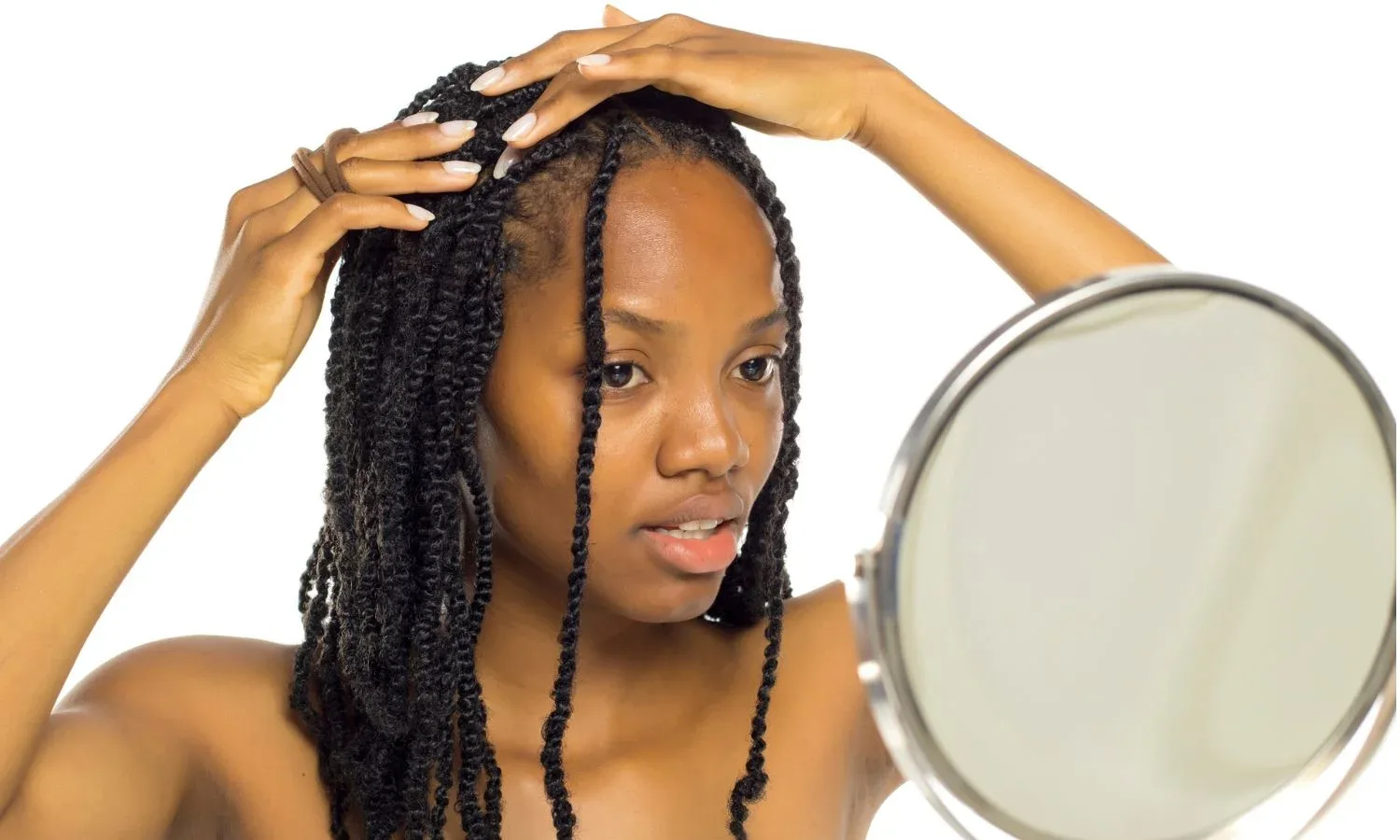
Early signs of traction alopecia can be easy to dismiss. You might cover a thinning temple, brush shorter hairs into a slick bun or assume soreness comes with a neat ponytail. Everyday styles can place repeated tension on the hair, just as tight braids and weaves can.
Your hairline looks less full when you take your hair down
After undoing a bun or ponytail, you may notice more scalp showing at your temples or gaps where your edges once looked fuller. You might spot similar changes when removing braids or a weave. Check the sides and nape too, as the affected areas depend on where your style pulls.
Compare with older photographs using similar lighting and positioning. Look for changes in your own hairline rather than comparing it with someone else’s.
Short hairs keep appearing where your style pulls
Perhaps the same section around your edges keeps snapping, leaving you brushing shorter pieces back into place each morning. Broken hairs show strand damage and can occur alongside traction alopecia, but they do not confirm it. Short hairs alone cannot tell you whether you are seeing breakage or regrowth. Take notice when they appear with thinning or scalp discomfort.
Your bun or ponytail only feels comfortable once you undo it
If you look forward to taking your hair down because your scalp feels sore or tight, pay attention. Stinging as you smooth your hair back or tenderness while wearing the style should not become routine. The same applies if moving your braids or resting your head on a pillow hurts. Loosen or remove painful styles rather than waiting for visible hair loss.
Small bumps appear where the hair is pulled tightly
Look for raised bumps around braid roots or areas pulled taut by a bun or ponytail. Tenderness or redness can accompany them. Reduce the pulling rather than covering the area with more styling products. Seek medical advice if bumps persist or worsen.
These changes do not prove you have traction alopecia. If you notice thinning or a receding hairline, arrange a dermatologist’s assessment to establish the cause.
Can hair grow back from traction alopecia?
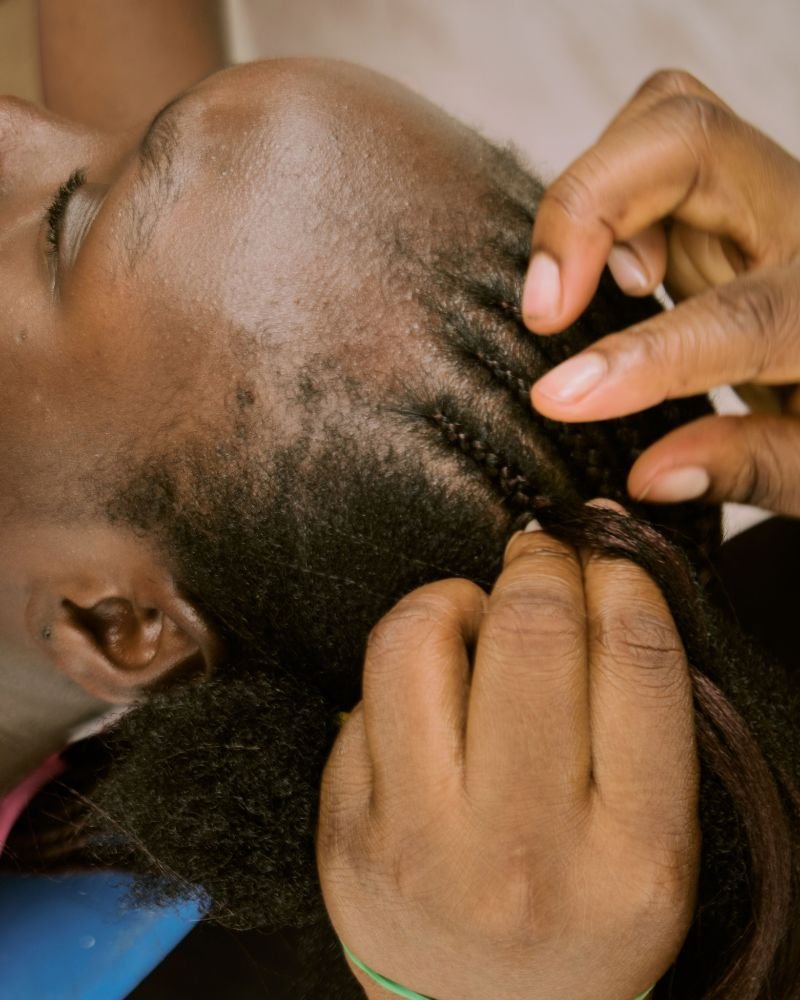
Hair can grow back from traction alopecia, but recovery depends on whether the affected follicles can still produce hair. Removing tension early gives them a better chance of recovery. Once scarring destroys a follicle, it cannot produce new hair.2
When early changes may be reversible
Early traction alopecia can improve when repeated pulling stops, before permanent follicle damage develops. If your edges are thinning, removing tight braids helps, but pulling those same hairs into a slick bun continues the strain.
Keep handling gentle when detangling and styling, and avoid chemical relaxers and excessive heat on affected hair. These changes reduce further stress, although they cannot guarantee regrowth. A dermatologist can assess whether treatment is needed to address inflammation or support growth.
When is it too late for hair to grow back?
Smooth, shiny patches can suggest scarring, but you cannot confirm permanent damage by looking in the mirror. A bald patch or several months without visible regrowth does not establish that the follicles are destroyed. A dermatologist may examine your scalp with magnification and sometimes recommend a biopsy.
If scarring has destroyed follicles, oils and growth treatments cannot bring them back. That can be difficult to hear, but assessment can still help you protect remaining hair and explore options.
How long might regrowth take?
The British Skin Foundation notes that regrowth may begin around three months after the pulling stops. This is a possible starting point, not a deadline or a promise of restored density.
Photographs taken under similar conditions can help you track progress and discuss it at appointments. Seek assessment for ongoing thinning rather than waiting for a set number of months.
How braids and other styles can cause repeated tension
A style can reduce daily handling while still pulling on your roots. Traction alopecia from braids, buns or other styles depends on repeated pulling. Check attachment points, added weight and where tension falls.
| Style | How tension builds | What to pay attention to |
|---|---|---|
| Braids and cornrows | Tight installation, added hair and braided updos increase pulling at the roots. | Closely gripped edges, pulling when you turn your head or soreness when lifting the braids. |
| Slick buns and ponytails | Tight brushing and firm hair ties repeatedly pull on the same areas of the scalp. | Taut temples, a sore hairline or relief when you loosen your bun or remove the hair tie. |
| Weaves and extensions | Tight foundation braids and attachment points carry the weight of added hair. | Pulling beneath the weave or at attachment points, even when the style looks loose. |
| Wigs | Tight cornrows or wig fastenings can repeatedly pull on the hair beneath the wig. | Tugging around your temples or nape, or soreness from the braids beneath your wig. |
| Locs | Tight retwisting, secured updos and the weight of longer locs can strain the roots. | Tender roots after maintenance or pulling when you gather your locs into an updo. |
The label “protective style” does not guarantee minimal tension. A comfortable foundation and reduced pulling matter more than how neat or long lasting the style looks.3
What to do if you notice traction alopecia hair loss?
If you suspect traction alopecia, start by reducing pulling while arranging an assessment for any thinning. You do not need to wait until discomfort becomes severe.
Remove the source of pulling
Loosen or remove a style that hurts. If one braid is pulling, ask your stylist to undo it rather than waiting for it to loosen with wear. If tension affects the whole style, change it. Cooling sprays, oils and ointments cannot make a tight installation less damaging.⁴
Choose a manageable style with minimal tension
Wear your hair loose or consider loosely installed twists without extensions, provided they do not pull on affected areas. For buns and ponytails, loosen the hold and leave the edges relaxed. Changing your parting will not help enough if the hair is still pulled tightly.
Shorter, lighter braids may reduce weight, but replacing a painful set with another installation is not automatically suitable for thinning areas. Choose a stylist who will adapt or stop the service when needed.
What to say to your stylist:
“I’ve noticed thinning or tenderness here. Please avoid pulling on these areas or adding extension weight to them. If anything feels tight, I’ll need you to stop and adjust it straight away. If we cannot achieve this style without tension, I’d rather choose another style or remove it.”
Keep the routine simple
Cleanse your scalp regularly and detangle gently, without tugging at the roots. Keep repeated brushing and restyling to a minimum. Switching styles frequently will not help if each new look pulls on the same areas.
Keep a simple record of styles, symptoms and photographs to discuss at your appointment. For more guidance, explore our articles on low manipulation styles and braid bumps.
Traction alopecia treatment and what products can realistically do
Traction alopecia treatment starts with a diagnosis. A dermatologist can assess whether inflammation needs treating and whether the follicles can still produce hair. Depending on those findings, they may recommend corticosteroids to reduce inflammation or minoxidil to support regrowth.4
Can minoxidil help traction alopecia?
If you’ve seen minoxidil recommended for thinning edges in Black haircare conversations, you may wonder whether it could help yours. A dermatologist may recommend topical minoxidil to support regrowth, but it cannot restore destroyed follicles or replace removing the pulling.5
Possible side effects include unwanted facial hair and scalp irritation, such as itching, redness or a rash. Transferring the product from your scalp to your face can contribute to unwanted growth, so careful application and washing your hands matter. Stop using it and seek medical advice if irritation persists. Stop using minoxidil and seek immediate medical help if your face, lips, tongue or throat swell.6
Does starting mean using it forever? Not necessarily. Continued use usually maintains results in pattern hair loss.7 For traction alopecia, your dermatologist may advise stopping minoxidil after satisfactory regrowth if the pulling has stopped. Ask your dermatologist how long to use it, especially if you have more than one cause of hair loss.
What about oils, edge serums and protein treatments?
When your edges look thinner, reaching for a growth oil or serum can feel like an easy first step. However, softer strands or fuller looking hair do not demonstrate that a product treats traction alopecia.
Conditioners and some protein treatments can improve how strands feel and resist breakage. That does not establish that they treat traction alopecia. Likewise, an ingredient studied for another type of hair loss does not automatically have evidence for traction alopecia. Look for research on the specific condition rather than relying on “growth” claims.
For selected cases of permanent hair loss, a specialist may discuss hair transplantation. It relocates existing follicles rather than reviving destroyed ones.
When to see a dermatologist
If you notice progressive thinning, unexplained patches or a receding hairline, book a dermatologist’s assessment. You do not need to wait for bald spots. Persistent scalp pain, tenderness or bumps also deserve attention.
In the US, look for a board certified dermatologist with experience treating hair loss in Black patients. Check whether your insurance plan requires a referral. For UK readers: Your GP can assess your concerns and help arrange an NHS dermatology referral if needed.
They can review your styling history and examine your hair and scalp to establish what is causing the changes. Bring photographs and notes about when the thinning started, which styles you wore and any discomfort you experienced.
Here are three questions worth asking:
- Is this traction alopecia or another cause of hair loss?
- Is there evidence of scarring?
- What treatment and styling changes are appropriate for me?
You do not have to navigate this alone. If hair loss is affecting your confidence or wellbeing, mention that too.
The takeaway : Reduce tension early
Traction alopecia hair loss deserves early attention. Reduce pulling when you notice thinning edges or scalp soreness, and seek a dermatologist’s assessment. Changing a favourite style can be difficult, but acting early gives you a better chance of preventing further damage and protecting the hair you still have.
Sources
- Heath, C. R., Robinson, C. N., and Kundu, R. V. “Traction Alopecia.” Skin of Color Society. Read source. Accessed 15 September 2026. ↩︎
- British Skin Foundation. “Traction alopecia.” Read source. ↩︎
- American Academy of Dermatology Association. “Hairstyles that pull can lead to hair loss.” Read source. ↩︎
- Larrondo, J., and McMichael, A. J. “Traction Alopecia.” JAMA Dermatology. 2023;159(6):676. Read source. ↩︎
- British Association of Dermatologists. “Traction alopecia.” Read source. ↩︎
- McNeil Products Ltd. “Regaine for Women Once a Day Scalp Foam 5% w/w Cutaneous Foam: Patient Information Leaflet.” Electronic Medicines Compendium. Read source. ↩︎
- British Association of Dermatologists. “Hair loss female pattern (androgenetic alopecia).” Read source. ↩︎